Sands of power: Mapping the tides of West Asian history
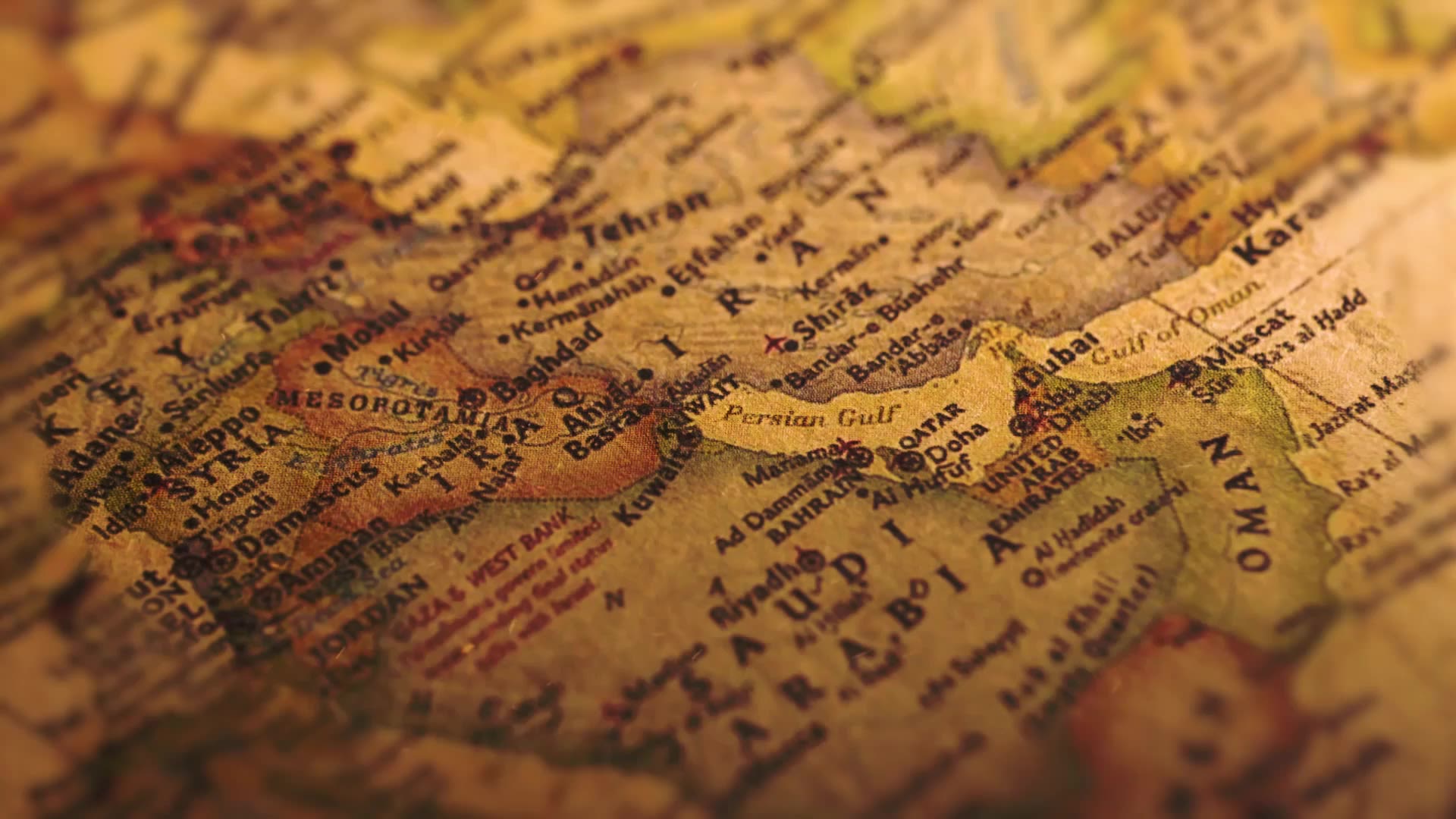

English-born writer and novelist Michael Korda once wrote, "Nothing in the Middle East is ever forgotten or forgiven." The landscapes of West Asia, which is known better by its euro-centric name "Middle East", are living palimpsests of power, faith and ambition.
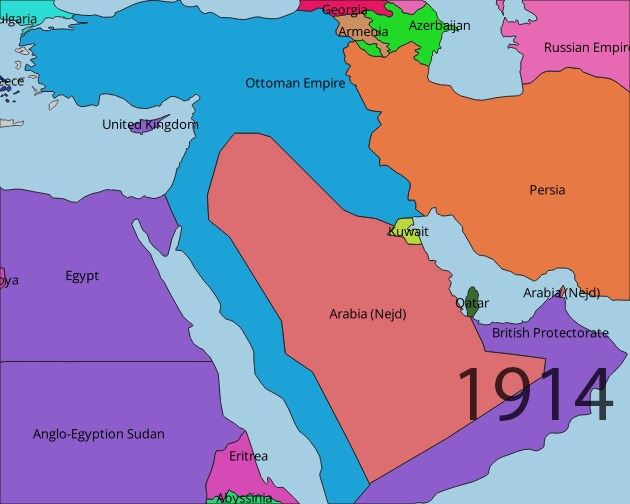
In the Age of Caliphates, the Rashidun, Umayyad and Abbasid dynasties rose from Arabian sands to forge an empire stretching from Spain to Persia, ushering in an era of scholarship and trade whose echoes remain in the ruins of Baghdad and Damascus. Centuries later the Ottoman era brought relative stability under the crescent and star when Constantinople fell in 1453, yet by World War I the empire fractured under 19th-century reforms, rebellions, and European guns.
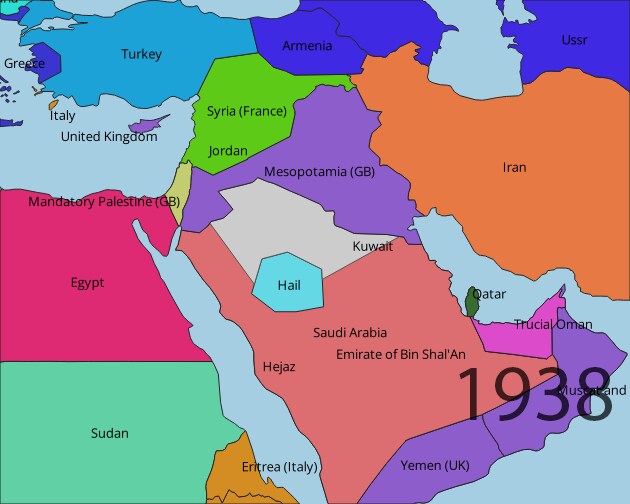
During the colonial era that followed, Britain and France carved former Ottoman lands into mandates and client kingdoms, with little regard for tribal or sectarian realities. From those enforced borders emerged the modern nation-states we know today when Turkey reclaimed its sovereignty under Atatürk, Ibn Saud united Arabia, and new flags rose over Iraq, Syria and Jordan.
Modern conflicts have again remade the map and tested resilience—from the Arab-Israeli wars to the Arab Spring, the Palestine question, the rise of ISIS and shifting alliances. As former Israeli Prime Minister Ehud Barak once observed, "in the Middle East, a pessimist is simply an optimist with experience."
In this piece, we will take you through the fantastical history of West Asia, a region that has come to be known for its riches and its many conflicts.

The age of the Caliphs

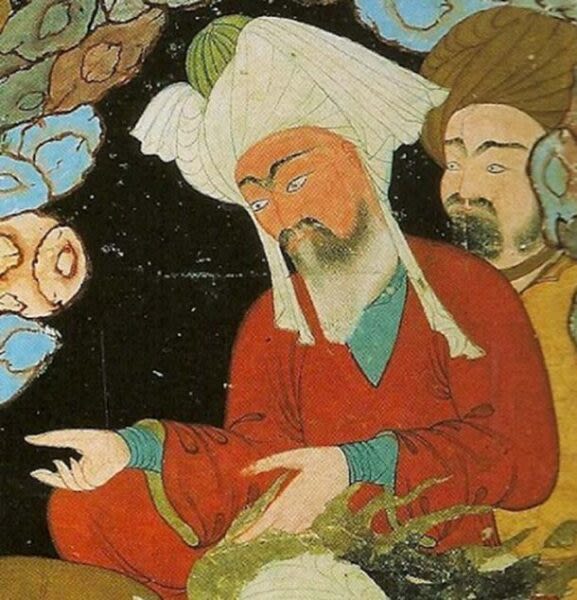
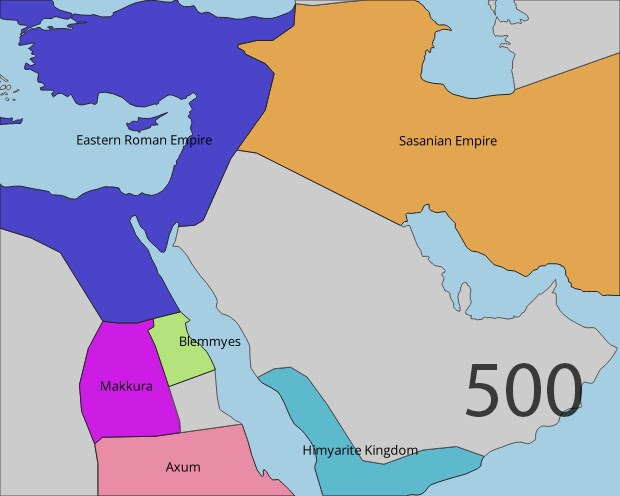
Before the emergence of Islam in the 7th century, Arabia was fragmented, with tribes bound by kinship and locked in constant rivalry. The region was religiously diverse—while many Arabs worshipped multiple deities, there were also Jewish, Christian, and Zoroastrian influences.

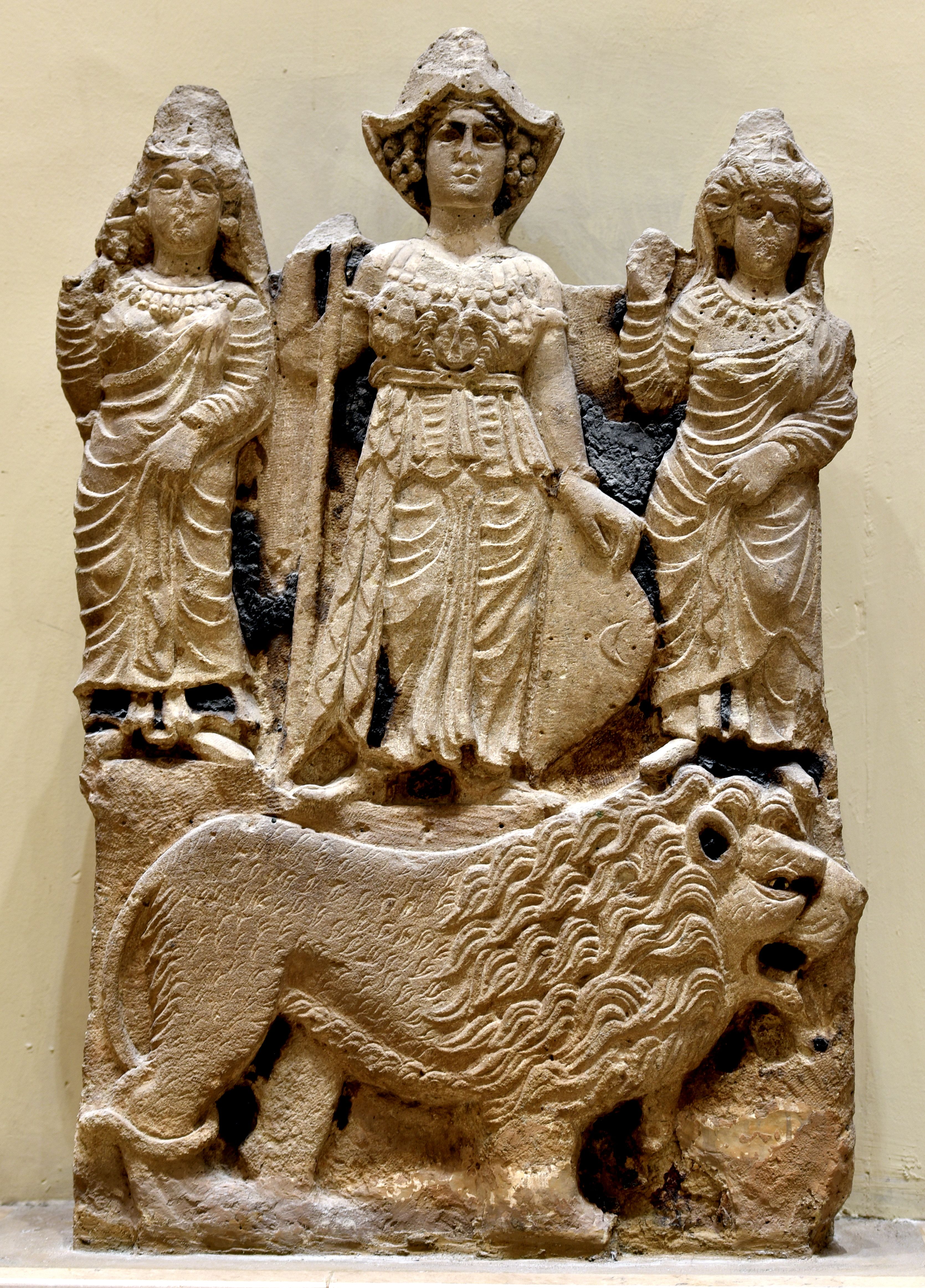
A sculpture from 1st to 3rd century CE (Parthian period) of goddess Al-Lat flanked by two smaller female figures, presumably goddesses Manat and al-Uzza, from the 5th temple at Hatra, Ninawa Governorate, Iraq | Osama Shukir Muhammed Amin/Wikimedia Commons
A sculpture from 1st to 3rd century CE (Parthian period) of goddess Al-Lat flanked by two smaller female figures, presumably goddesses Manat and al-Uzza, from the 5th temple at Hatra, Ninawa Governorate, Iraq | Osama Shukir Muhammed Amin/Wikimedia Commons
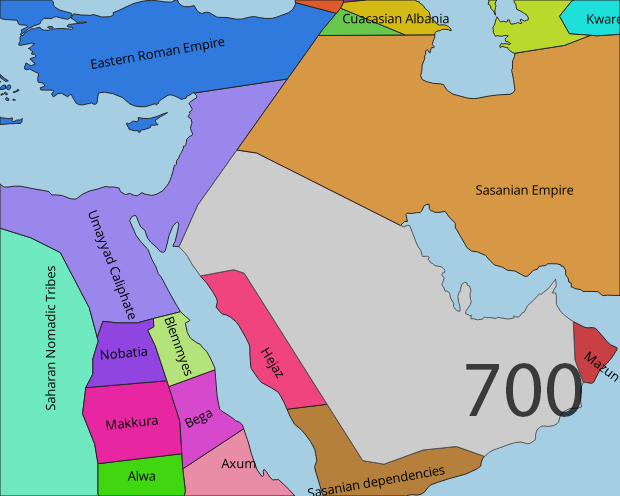
Born into this world in Mecca, Muhammad ibn Abdullah received his first divine revelation around 610 CE, according to Islamic tradition. Facing persecution, he and his followers migrated to Medina in 622 CE, where he established the first Muslim community. Over the next decade, Muhammad secured military and political victories, including the takeover of Mecca in 630 CE. By his death in 632 CE, he had brought much of the Arabian Peninsula under Islam, transforming a fractured tribal society into a cohesive religious-political entity.
Muhammad’s death in 632 CE triggered a leadership crisis, resolved by appointing his companion and father-in-law, Abu Bakr, as the first caliph. He and his successors—Umar, Uthman, and Ali, known as the Rashidun—oversaw Islam’s rapid expansion through diplomacy and conquest, reaching the Levant, Mesopotamia, Egypt, and Persia within a generation.

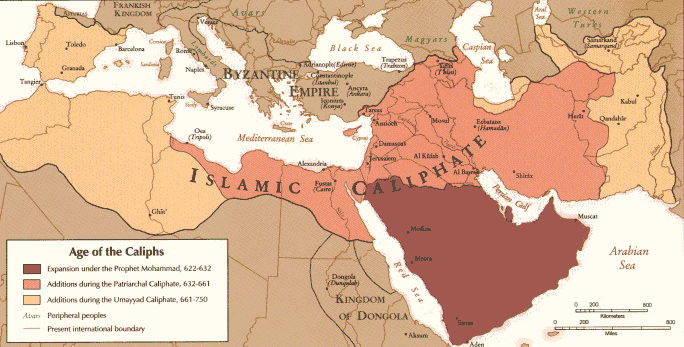
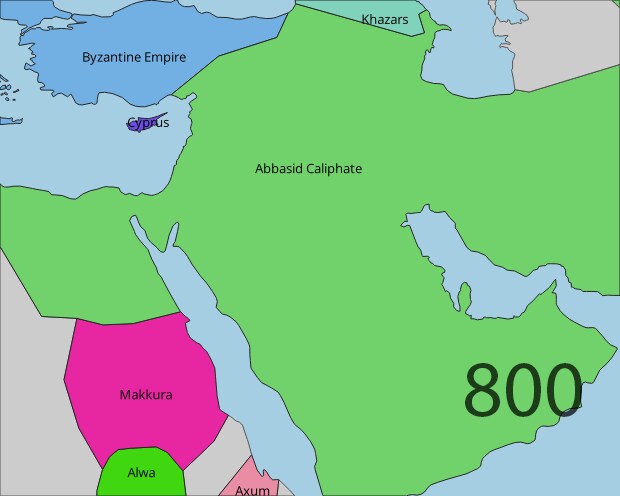
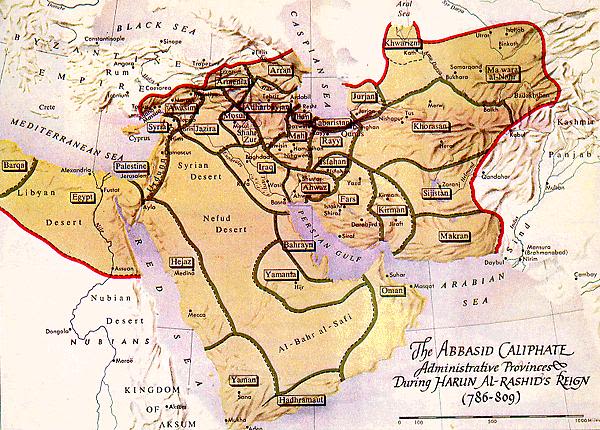
In 661, the Umayyad dynasty, based in Damascus, took power and transformed the caliphate into a vast empire stretching from Spain to Central Asia. This expansion ended in 750, when the Abbasid family seized control and relocated the capital to Baghdad. Their rule ushered in a golden age of trade, science, philosophy, and the arts, transforming Baghdad into a vibrant hub of learning.

Source: Wikimedia Commons
Source: Wikimedia Commons
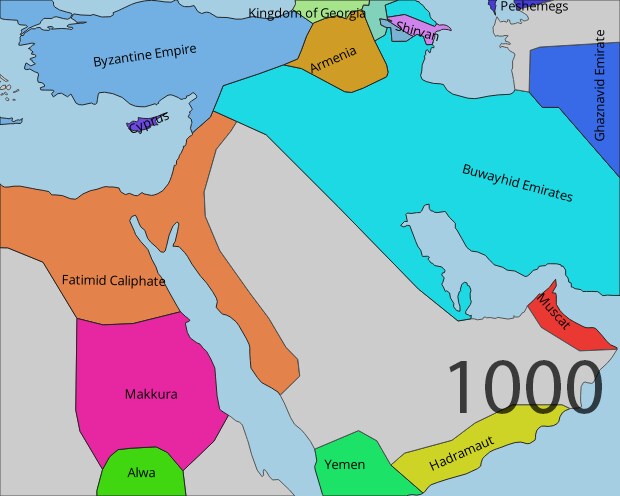
By the 9th and 10th centuries, the Abbasids' authority declined as provinces gained autonomy. Rival caliphates emerged — such as the Umayyads in Córdoba and the Fatimids in Cairo — splintering the once-unified empire into competing powers. By 1000 CE, three major caliphates coexisted, linked more by shared religion than central rule.

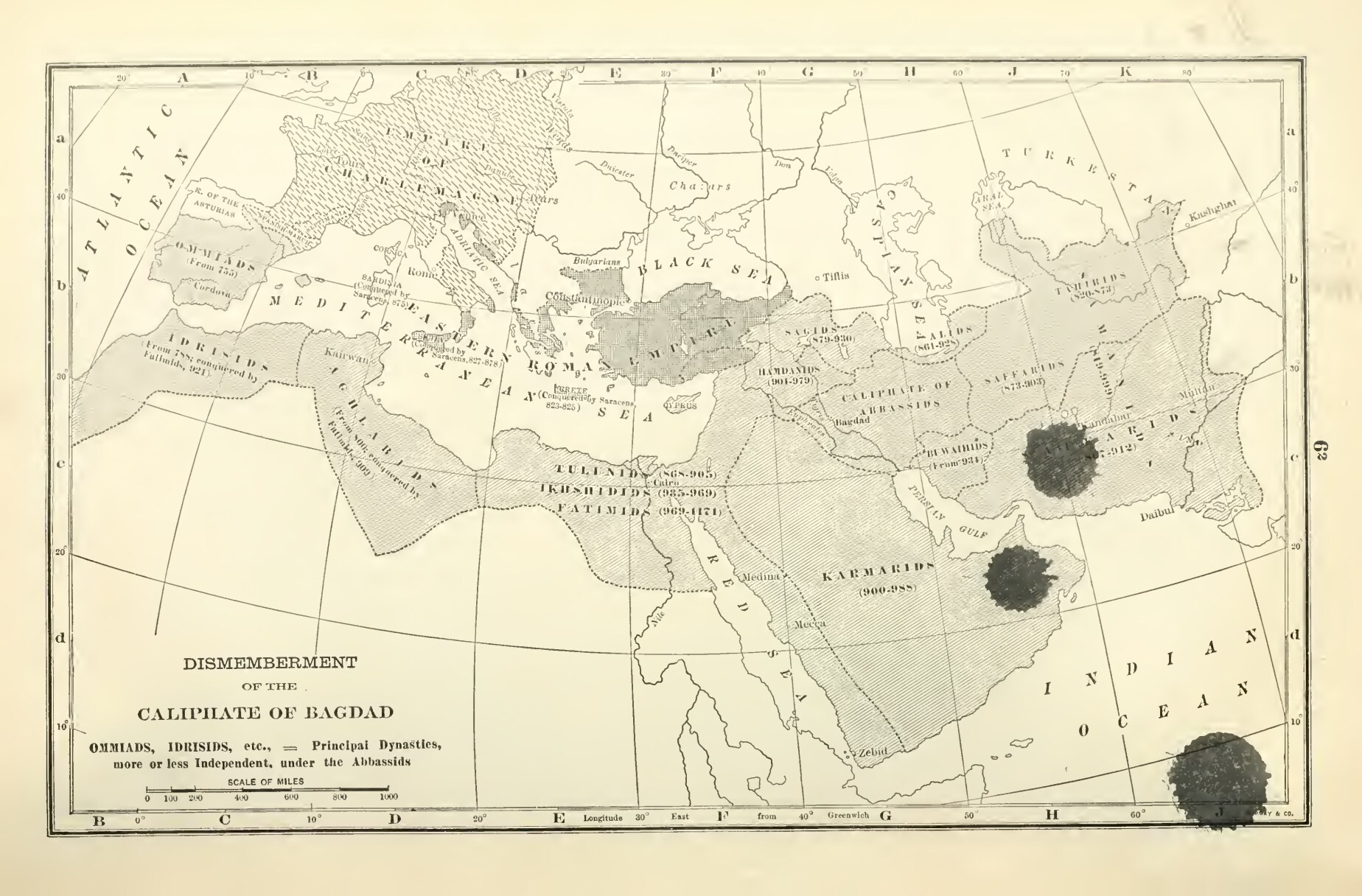
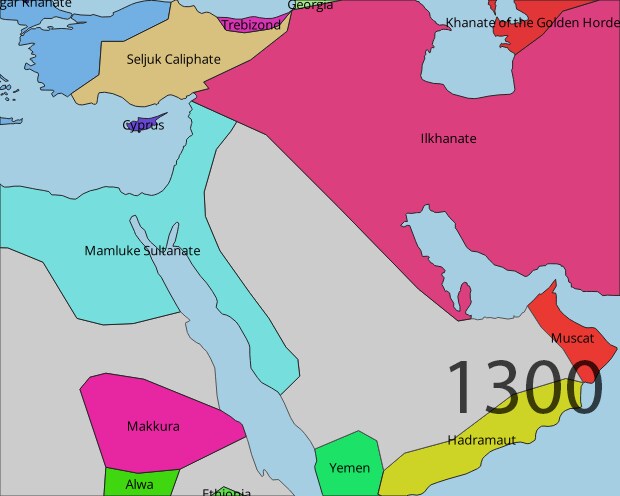
The Mongol invasion in 1258 dealt the final blow. They destroyed Baghdad and killed the last Abbasid caliph, ending the caliphate as a political force. No empire would reunite the Islamic world under a single caliph again for centuries.
The Ottoman Empire and World War I

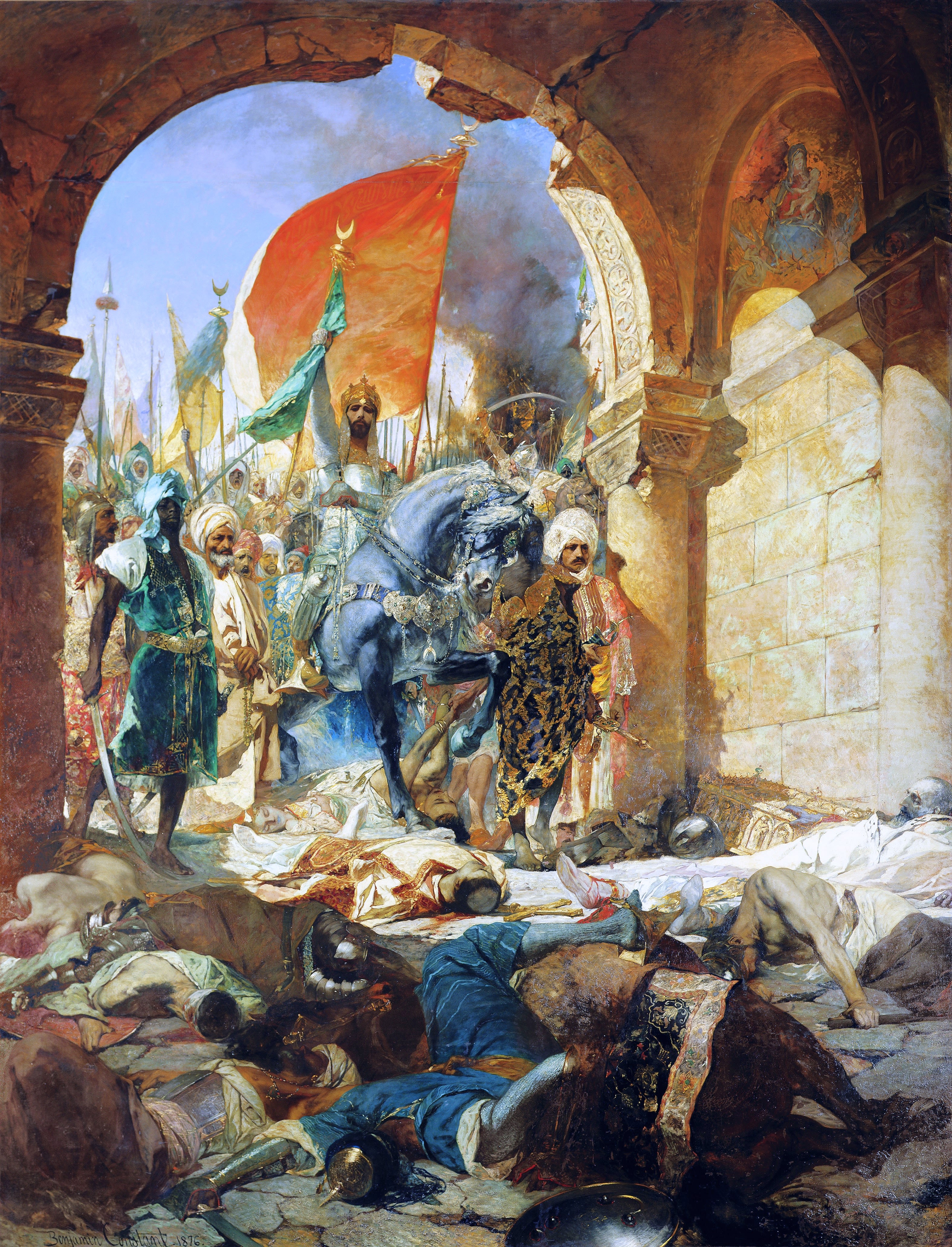
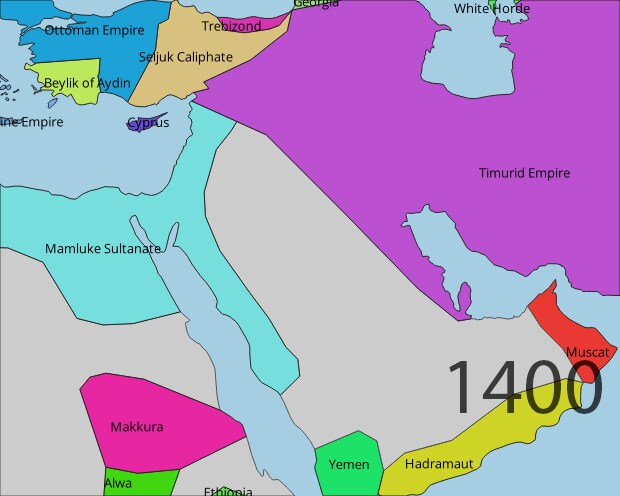
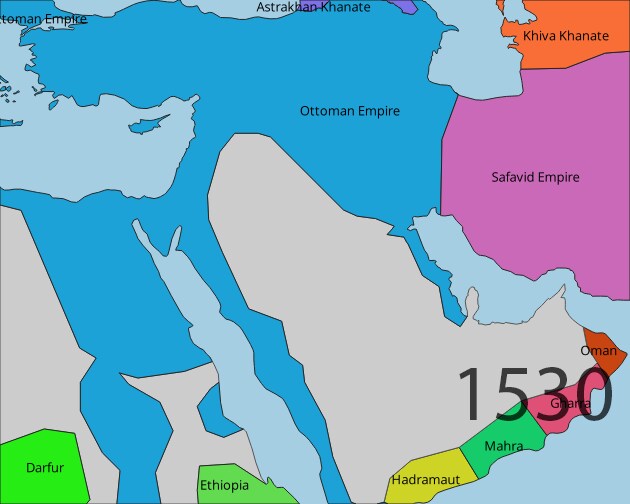
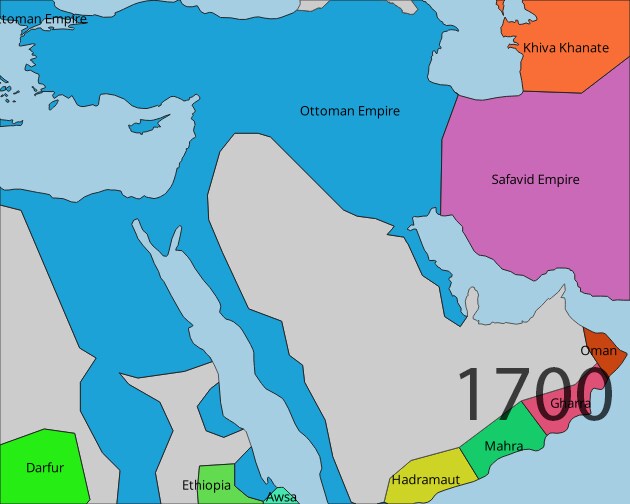
As the Mongol tide receded, a small Turkic beylik founded by Osman I in Anatolia around 1300 rose to prominence. In 1453, Sultan Mehmed II conquered Constantinople, extinguishing the last vestige of the Byzantine Empire and making the ancient city his capital. The fall of "New Rome" marked the start of centuries of Ottoman dominion at the crossroads of Europe and Asia.

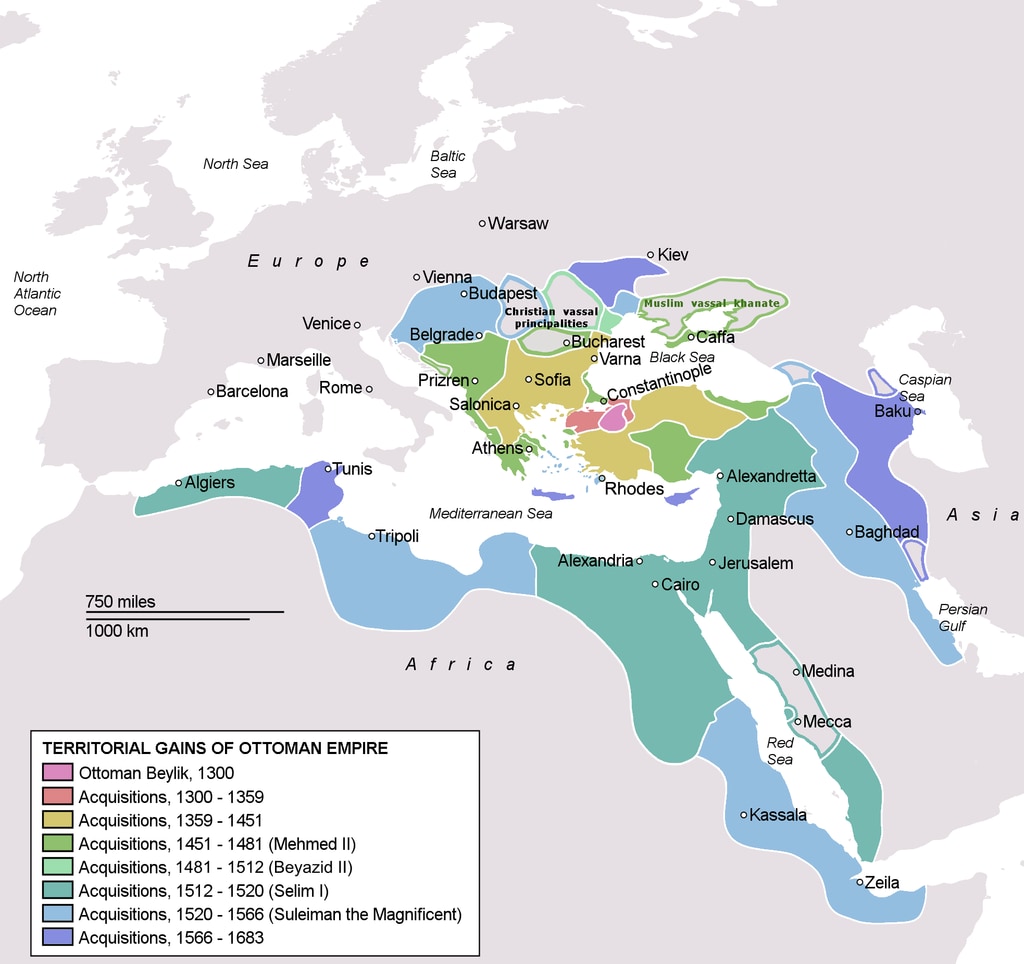
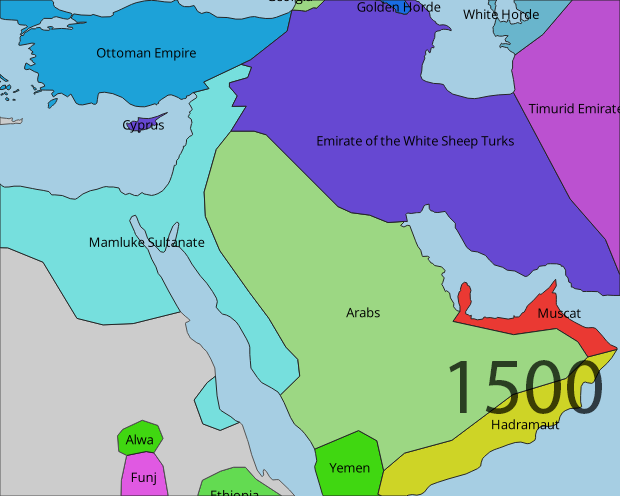
At its height, the Ottoman Empire spanned three continents, controlling much of Southeast Europe, Western Asia, and North Africa. After defeating the Mamluk rulers in 1517, the Ottoman sultan assumed the title of Caliph, claiming spiritual leadership of the Sunni Islamic world. Ruling over a diverse, multiethnic realm of Turks, Arabs, Greeks, Armenians, Kurds and others, Ottoman rulers maintained order by granting autonomy to various religious communities (the millet system) under the overarching framework of Islamic law. For generations, the empire was a major world power, reaching a golden age of expansion and culture under Suleyman "the Magnificent" in the 16th century.
From the late 1500s onwards, the Ottomans saw their income shrink as Portuguese, Dutch and British ships bypassed traditional Mediterranean and overland routes. A surge of silver from the Americas triggered inflation, while successive sultans resorted to debasing coinage, hiking taxes and auctioning off collection rights — temporary fixes that fostered corruption and economic disarray.
By the 18th century, the empire no longer dominated trade. When the Industrial Revolution transformed Britain and France, the Ottoman industry remained artisanal and agrarian, unable to compete with cheap, mass-produced imports. Forced into foreign borrowing from the 1850s onwards, the unpaid external debts had reached close to 60% of the GDP of the state by 1914.
In December 1881, the Ottoman Empire suspended approximately £200 million of its debt and negotiated with bondholders from the United Kingdom, France, the Netherlands, Germany, Italy, and Austria-Hungary. The settlement halved the principal from £191 million to £96 million, cut unpaid interest from £62 million to £10 million and reduced annual interest charges from £13.6 million to £2.7 million. The resulting Muharrem Decree also established the Ottoman Public Debt Administration, granting European creditors control of key revenues and stripping the Empire of fiscal independence, thereby cementing its "sick man of Europe" label.
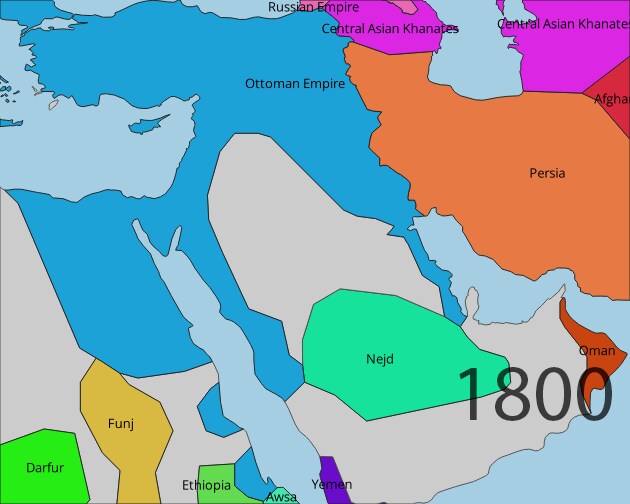
Territorial losses compounded the crisis. Greek independence in the 1820s was followed by autonomy or secession for Serbia, Romania and Bulgaria (formally recognised after 1878). France occupied Algeria and Tunisia, and by 1913, only a sliver of Thrace remained under Ottoman rule after the Balkan Wars.
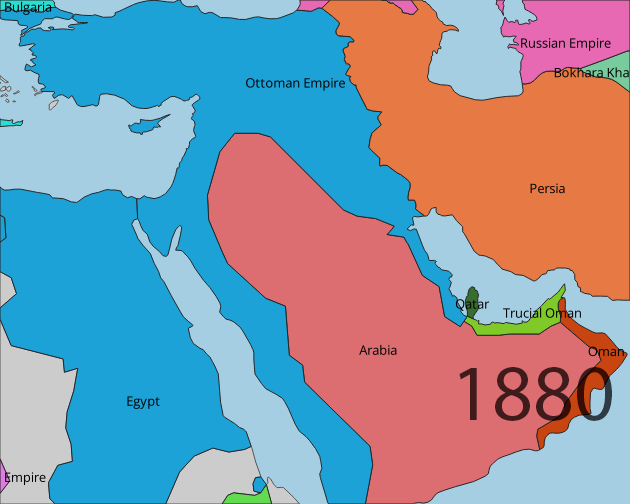
When the First World War began in 1914, the empire joined Germany and Austria-Hungary, fighting on multiple fronts. Ottoman leaders hoped that siding with Germany — then ascendant — might preserve their empire against encroaching British and Russian ambitions. Defeated and exhausted by 1918, its capital was occupied and its Arab provinces carved into British and French mandates.

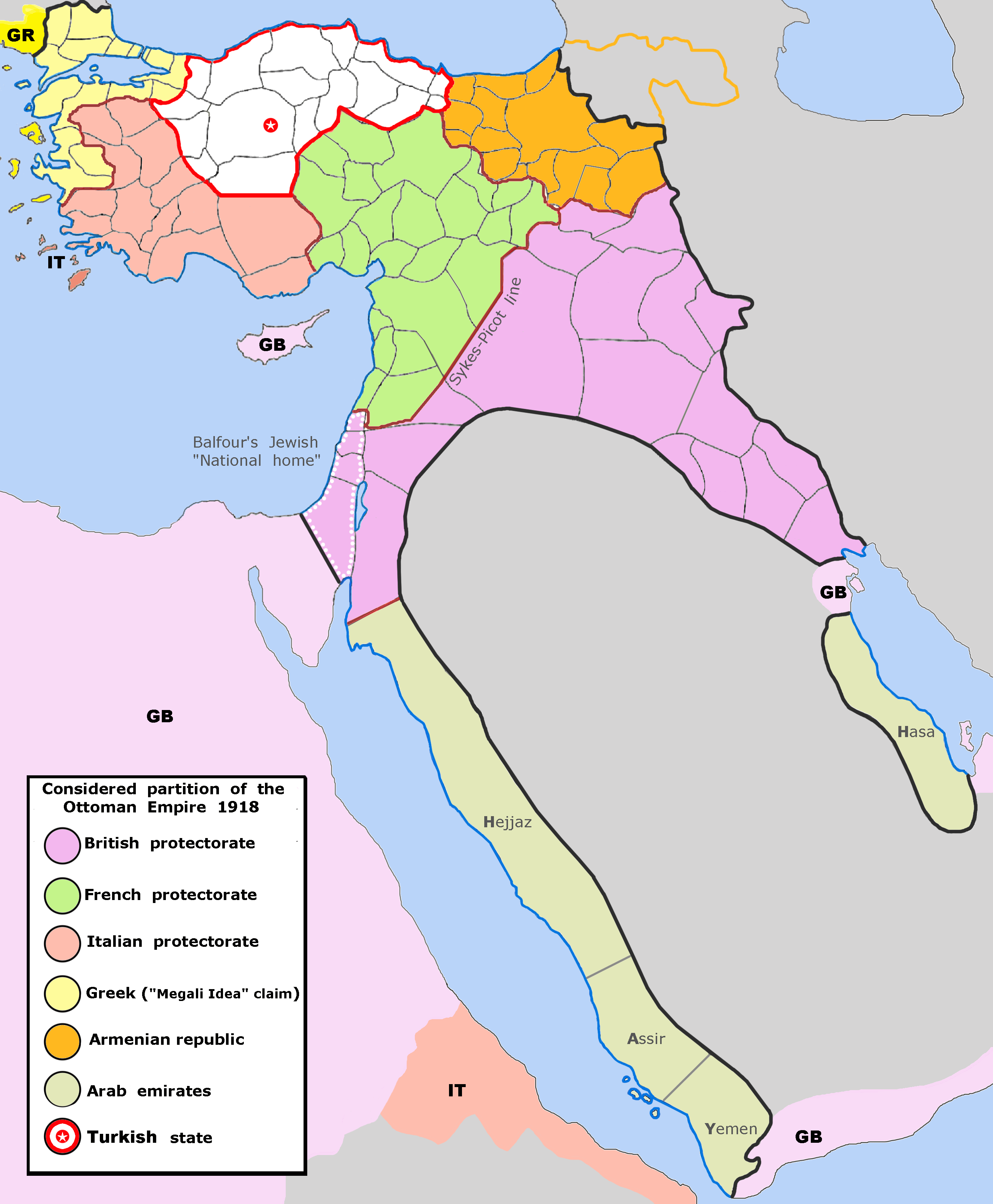
Source: Claude Zygiel/Wikimedia Commons
Source: Claude Zygiel/Wikimedia Commons
Although Turkish nationalists reclaimed Anatolia, the sultanate was abolished in 1922, bringing six centuries of Ottoman rule to an end.
Colonial mandates and the birth of new states

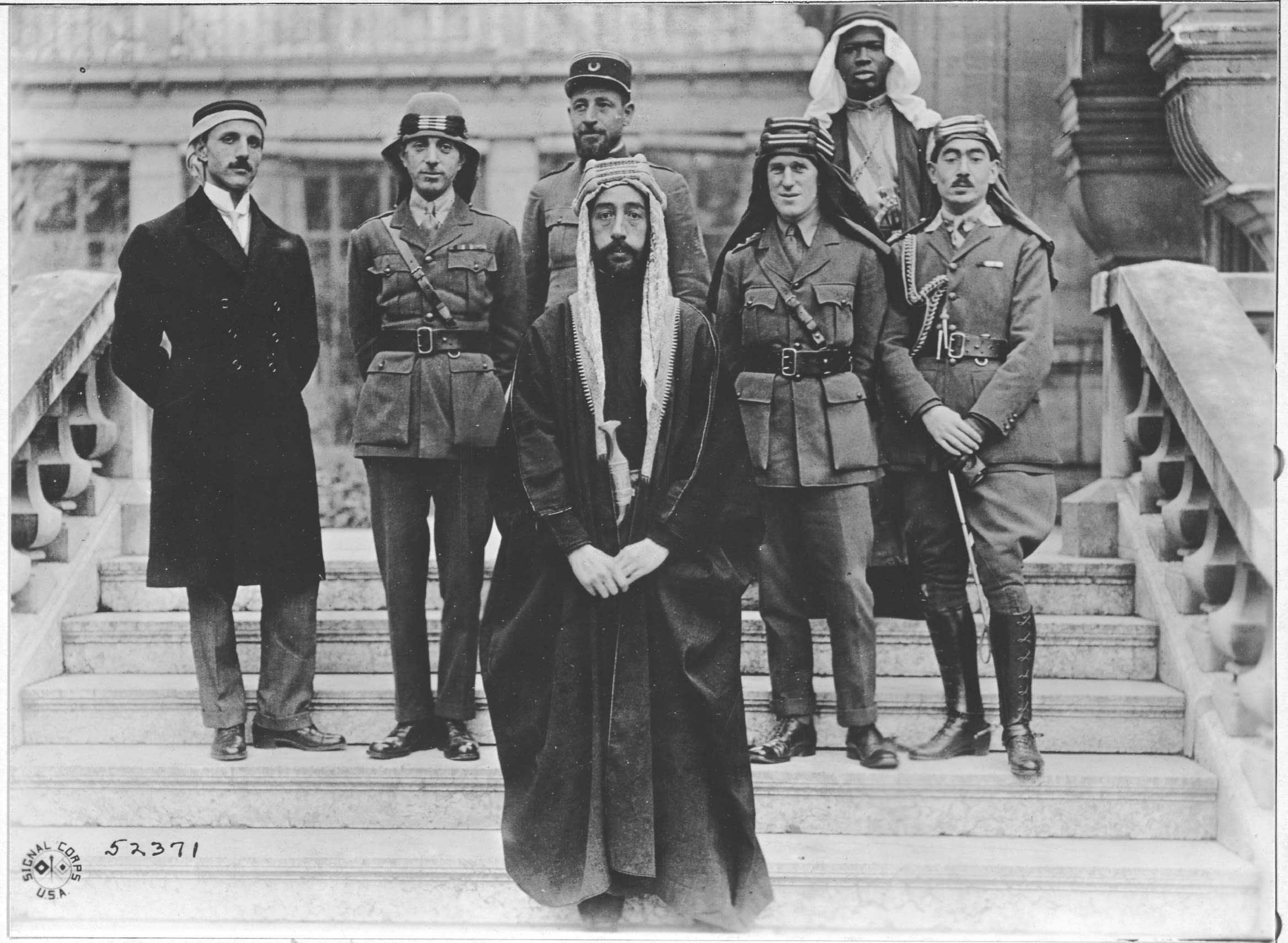
After the Ottoman Empire fell in 1918, Britain and France moved swiftly to carve up their Arab territories under League of Nations mandates. Despite pledges to guide these lands to self-rule, London and Paris treated them as colonies. The secret 1916 Sykes-Picot agreement had already divided the region. At the Paris Peace Conference in Versailles in 1919, the pleas of T.E. Lawrence — the British officer who rallied Arab forces against the Ottomans — for Arab independence were ignored. France took Syria and Lebanon; Britain gained Iraq, Palestine and Transjordan. These new borders, drawn with little regard for local communities, provoked widespread resentment.
Arrival and departure of various delegates during the 1919 Paris Peace Conference
Arab hopes of sovereignty were dashed when Britain endorsed a Jewish homeland in Palestine (the 1917 Balfour Declaration) and prioritised oil concessions. Revolts erupted: in Egypt in 1919; in Iraq against British rule in 1920, which was crushed by RAF and ground forces; and in Syria from 1925 to 1927, where French artillery bombarded Damascus before restoring control.

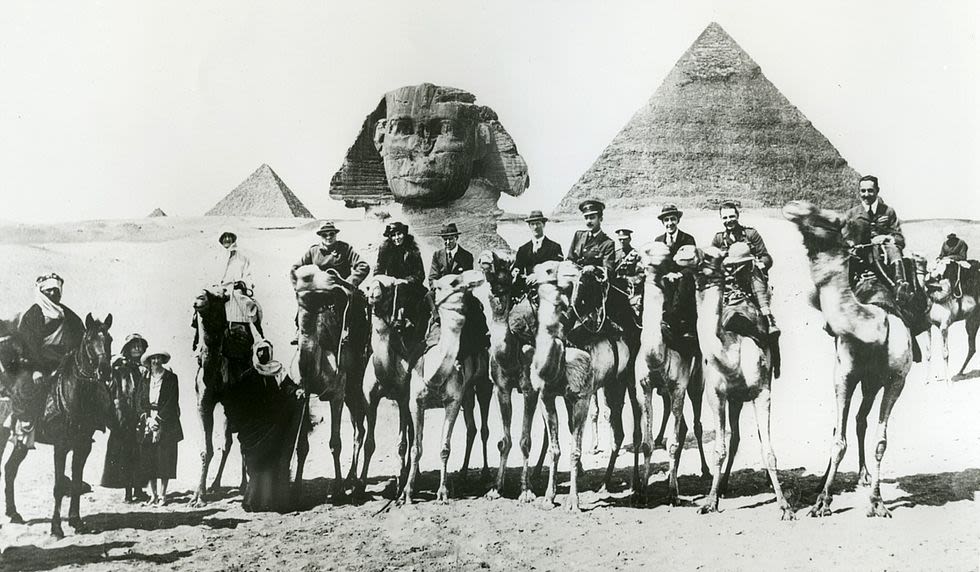
Beneath the Sphinx’s face stand, from left, Winston Churchill in sunglasses, Gertrude Bell and T.E. Lawrence—the most influential of the 39 delegates at the 1921 Cairo conference on the Middle East.
Beneath the Sphinx’s face stand, from left, Winston Churchill in sunglasses, Gertrude Bell and T.E. Lawrence—the most influential of the 39 delegates at the 1921 Cairo conference on the Middle East.
Britain soon deemed large garrisons in its Middle Eastern mandates unsustainable and shifted to indirect rule. At the 1921 Cairo Conference, Churchill’s Colonial Office installed two Hashemite rulers: Faisal ibn Hussein, expelled from Damascus by the French, became King of Iraq, and his brother Abdullah was made Emir of Transjordan. Though nominally independent, both states relied on British advisers and airbases to safeguard oil routes and communications. In 1932, Iraq became the first mandate to win formal independence, entering the League of Nations as a sovereign kingdom. However, its independence was conditioned by a treaty that bound it to a "close alliance" with Britain and guaranteed continued British military access. France, meanwhile, maintained firm control over Syria and Lebanon, carving out minority enclaves to divide potential opposition.
Mustafa Kemal Pasha (Atatürk) is given a hero's welcome in Ismir, Turkey in 1923
Turkey managed to avoid this fate. Under Mustafa Kemal Atatürk, Turkish nationalists repudiated the harsh Treaty of Sèvres, drove out Greek, French and Italian occupiers by 1922, deposed the sultan and proclaimed the Republic of Turkey in 1923. The Treaty of Lausanne soon followed, securing full sovereignty within modern borders. Atatürk then launched sweeping secular and modernising reforms, ensuring Turkey would never again be labelled "the sick man of Europe" and inspiring anti-colonial movements from Asia to Africa.
King Ibn Saud's visit to India on Dec 6, 1955
In the Arabian Peninsula, Ibn Saud of Nejd forged a new realm by force. In 1924-25 he captured Mecca and brought the surrounding oases under his rule. On September 23, 1932 he proclaimed the Kingdom of Saudi Arabia, uniting Nejd and Hejaz and gaining immediate international recognition. Though never formally colonised, his campaign was backed by British subsidies and arms, securing control of a region soon to yield vast oil wealth. By the mid-1930s, Europe still held sway in Baghdad, Damascus and Jerusalem, while independent states rose in Ankara, Riyadh and Baghdad—each navigating sovereignty under the enduring shadow of imperial power.
The discovery of oil

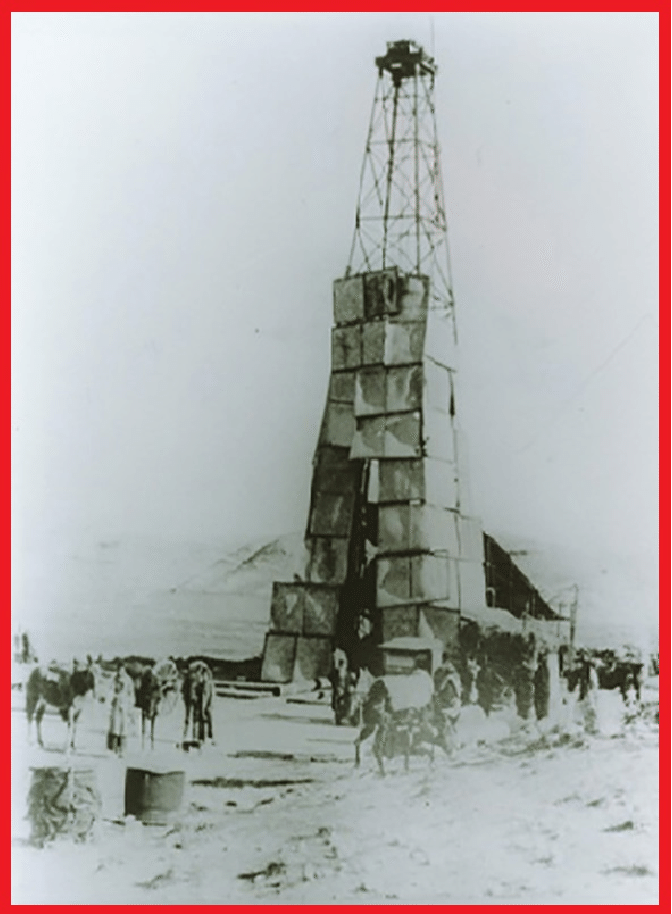
In 1908, a drilling team financed by British speculators struck oil at Masjed-I-Soleyman in Persia (modern Iran) — the first significant petroleum find in West Asia. A huge gusher of crude shot 25 metres into the air, heralding a new era for the region. William Knox D’Arcy, the venture’s backer, had nearly exhausted his fortune after seven years of fruitless exploration, but this single well changed everything. The following year, D’Arcy’s company became the Anglo-Persian Oil Company (later BP), and with quiet support from Whitehall, they gained significant control over Persia’s oil riches. This discovery sparked a frenzy of exploration across Ws, as foreign firms rushed to tap its hidden wealth.
Over the next decades, giant oil fields were uncovered around the Persian Gulf. In 1938, American drillers hit oil in Saudi Arabia’s Dammam field — soon identified as one of the largest petroleum deposits in the world — and that same year, Kuwait’s Burgan field proved nearly as bountiful. By mid-century, it was clear that West Asia held the lion’s share of global oil reserves, with the Middle East alone accounting for roughly two-thirds of OPEC’s oil. The 1938 discovery of oil in Saudi Arabia and Kuwait marked a significant turning point in the economic and geopolitical history of the Middle East, transforming the region’s strategic importance virtually overnight.
Vast oil revenues soon transformed the Arabian desert kingdoms into wealthy petro-states. Before oil, nations such as Saudi Arabia, Iraq and Kuwait were impoverished and largely agrarian or nomadic. After oil, they rapidly modernised, building cities, roads and industries financed by petroleum exports. In Saudi Arabia, for example, oil went from non-existent to providing over 90% of the state budget within a few decades.
Initially, foreign companies enjoyed exclusive concessions in return for modest royalties. Lacking expertise, local rulers had signed concessions granting European and American firms exclusive drilling rights in exchange for modest royalties. As a result, by the 1950s, the world’s oil supply lay mainly in the hands of seven giant corporations (five U.S. firms plus British Petroleum and Royal Dutch Shell) — the notorious "Seven Sisters".
Nationalist backlash followed. In 1951, Iran’s Prime Minister Mohammad Mossadegh nationalised the Anglo-Iranian Oil Company but was deposed in a 1953 coup organised by Britain and the US. Throughout the 1960s, producers renegotiated deals and formed state oil firms. In 1960, Iran, Iraq, Kuwait, Saudi Arabia and Venezuela founded OPEC (Organization of the Petroleum Exporting Countries) to assert control over output and prices. Their unity proved decisive in 1973, when an oil embargo against nations supporting Israel transformed crude into a potent geopolitical weapon.
Arab-Israeli wars and Pan-Arabism

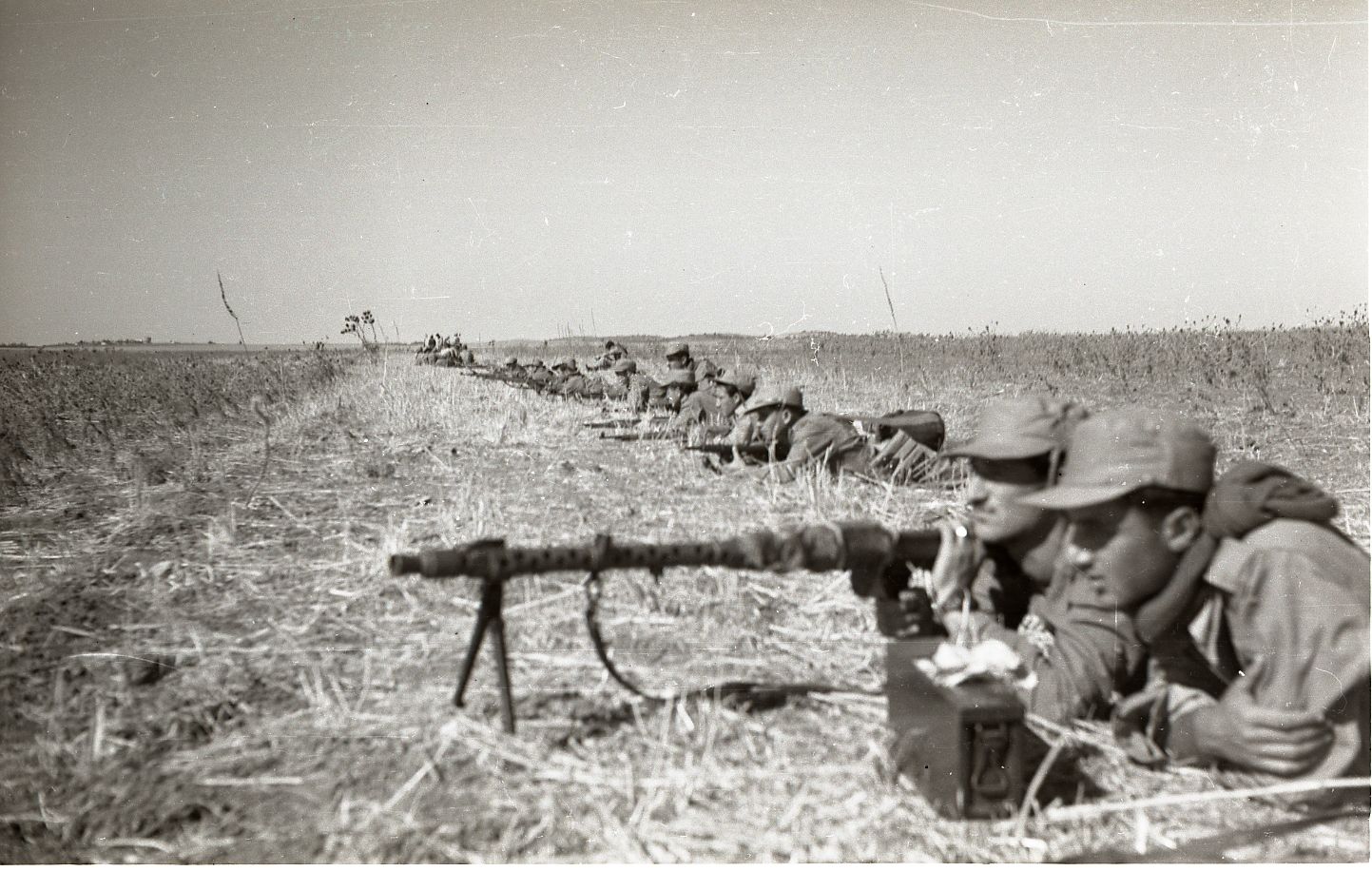
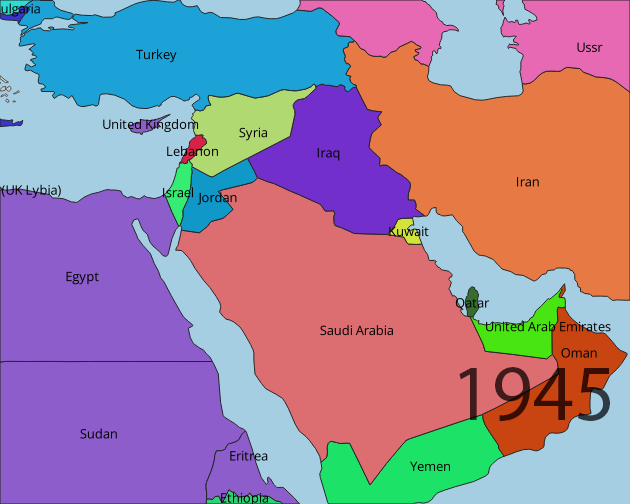
On November 29, 1947, the UN General Assembly adopted Resolution 181, calling for a Jewish state and an Arab state in Palestine (with an international 'corpus separatum' around Jerusalem). The plan allotted roughly 56% of the land to the Jewish state, even though Jews were only about a third of the population and owned a small fraction of the land. Jewish leaders accepted this as the legal basis for statehood, but Arab leaders rejected it, and violence immediately escalated. After Britain withdrew in May 1948, Israel declared independence and was promptly invaded by Egypt, Transjordan, Syria, Lebanon and Iraq. By early 1949, Israel held about 77% of the former mandate, Jordan controlled the West Bank and East Jerusalem, and Egypt administered Gaza. Up to 700,000 Palestinians fled or were expelled in the Nakba, and by 1950, the UN Relief and Works Agency was aiding roughly 750,000 refugees.

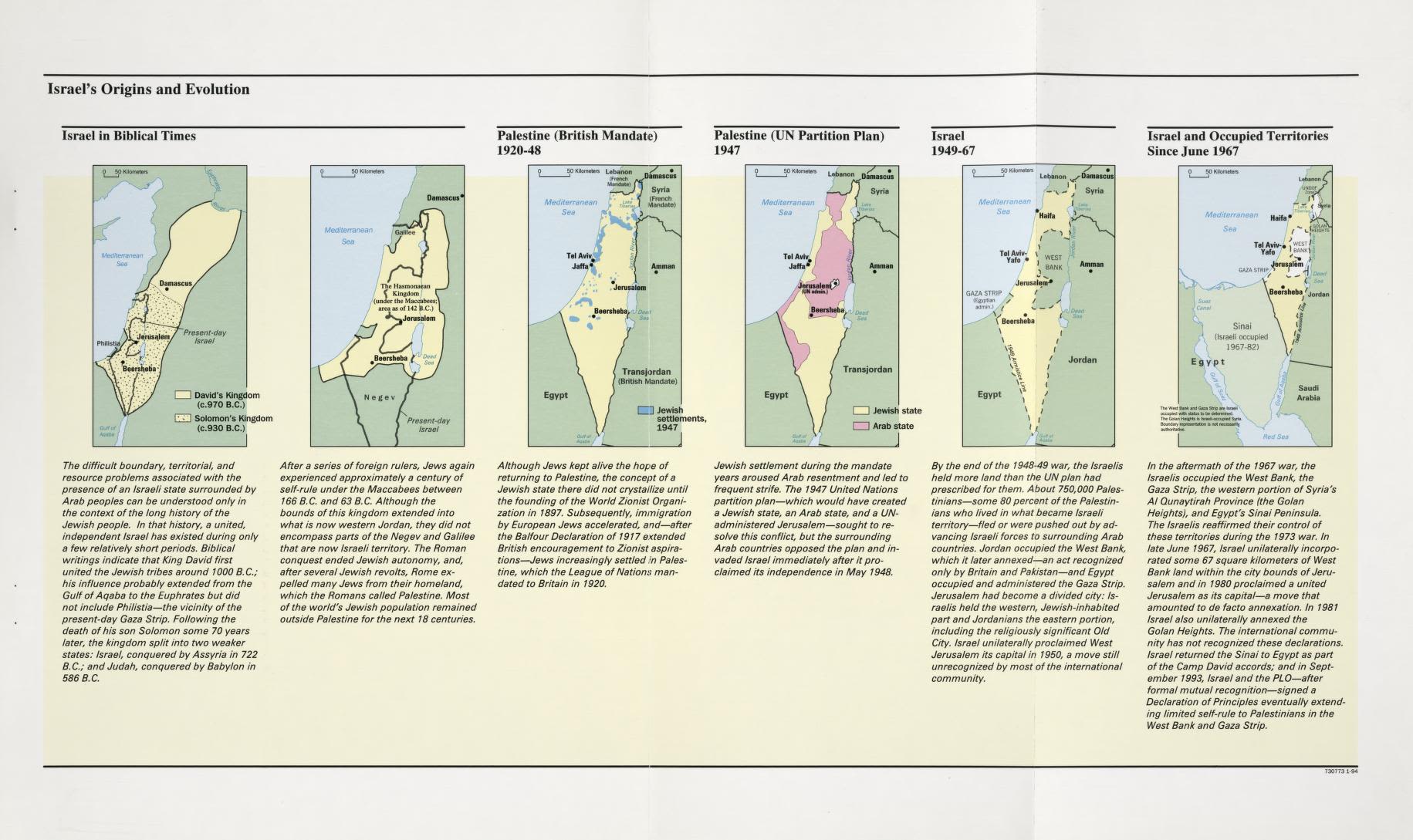
Source: US Library of Congress, Geography and Map Division
Source: US Library of Congress, Geography and Map Division
In Egypt, a young army officer, Gamal Abdel Nasser, emerged as the champion of Arab nationalism. Nasser envisioned a pan-Arab movement led by Egypt that would drive out colonial powers and confront Israel. In July 1956, Nasser nationalised the British French Suez Canal Company, angering Britain and France. Along with Israel, Britain and France launched a joint invasion, but international pressure — especially from the United States and the Soviet Union — forced their rapid withdrawal. Nasser emerged as an anti-imperial hero while British and French influence diminished.

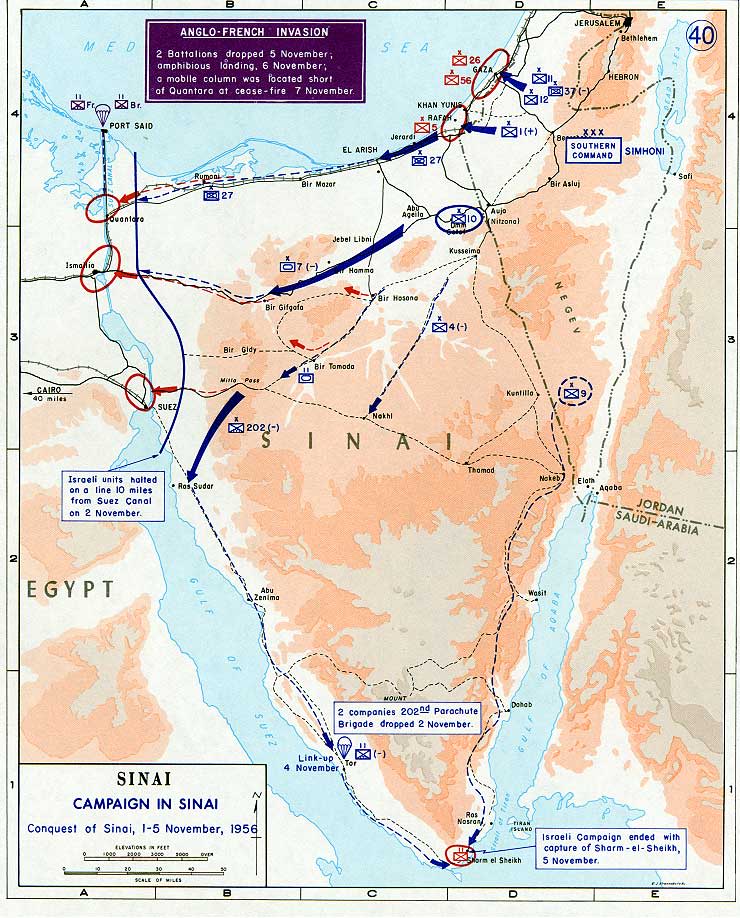
Tensions peaked in June 1967 when Israel’s pre-emptive strikes destroyed the Egyptian and Syrian air forces and led to the occupation of Sinai, Gaza, the West Bank (including East Jerusalem) and the Golan Heights. Arab armies suffered heavy losses, and hundreds of thousands more Palestinians became displaced. UN Security Council Resolution 242 later called for Israeli withdrawal in exchange for peace, but its terms were not implemented immediately.
The next major conflict came in October 1973. On the Jewish holy day of Yom Kippur, Egypt and Syria launched a surprise attack to regain land lost in 1967. Initial Arab gains were dramatic — Egyptian forces crossed the Suez Canal and Syrians made deep inroads on the Golan Heights — but Israel eventually counter-attacked and a UN ceasefire was brokered by October 26.
The war drew in the superpowers: the USSR rushed arms to its Arab allies, and the US airlifted supplies to Israel. Arab oil producers subsequently embargoed exports to countries seen as backing Israel, triggering a global energy crisis. The conflict paved the way for diplomacy. In September 1978, US President Jimmy Carter brokered the Camp David Accords between Egypt’s President Anwar Sadat and Israeli Prime Minister Menachem Begin. These agreements, which were the first framework for Arab-Israeli peace, led in 1979 to a formal Egyptian-Israeli peace treaty. Under the treaty, Israel withdrew from the entire Sinai, and Egypt became the first Arab state to recognise Israel.
Anwar Sadat speaking at Camp David after signing the Israeli-Egypt peace agreement
Almost simultaneously, in early 1979, Iran’s revolution ousted the US-backed Shah and installed Ayatollah Khomeini’s Islamic Republic. The upheaval inspired Islamist movements across the region and, together with the Iran-Iraq War from 1980, marked the eclipse of pan-Arabism in favour of state-centred and religion-influenced politics that continue to define Middle Eastern affairs.
Archival footage of news reels during the Iranian Revolution
Turmoil in the 1980s and modern conflicts

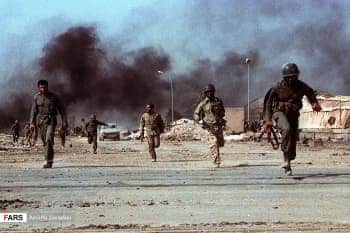
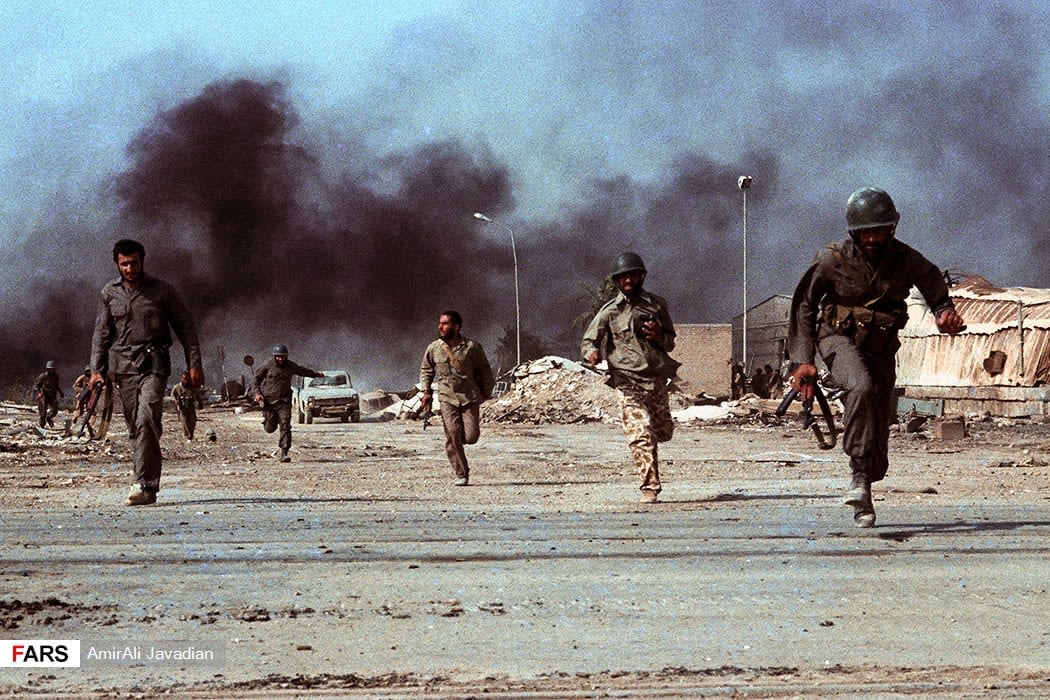
From the 1980s, West Asia endured a succession of brutal conflicts. Iraq’s 1980–88 war with Iran ended in stalemate but devastated both armies, while Lebanon’s civil war (1975–90) killed over 100,000 and invited repeated Syrian and Israeli intervention.
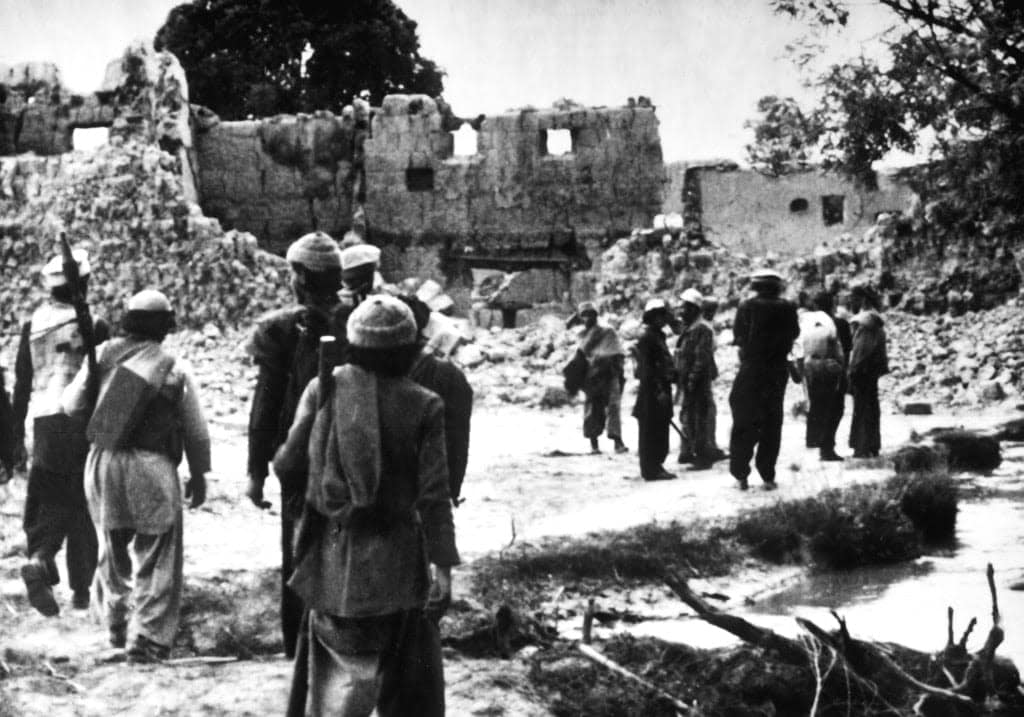
The Soviet invasion of Afghanistan (1979–89) spawned a US-backed guerrilla resistance, whose foreign volunteers later formed al-Qaeda. Soviet troops withdrew in 1989, and historians cite the Afghan War as a contributing factor to the Soviet collapse. Crucially, the war helped spread radical Islamist ideas: foreign fighters returned home emboldened, and Afghanistan later became a breeding ground for the Taliban and al-Qaeda.
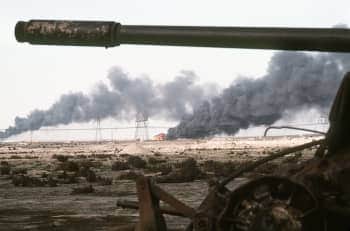
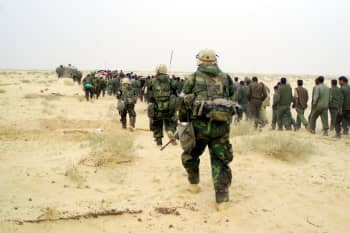
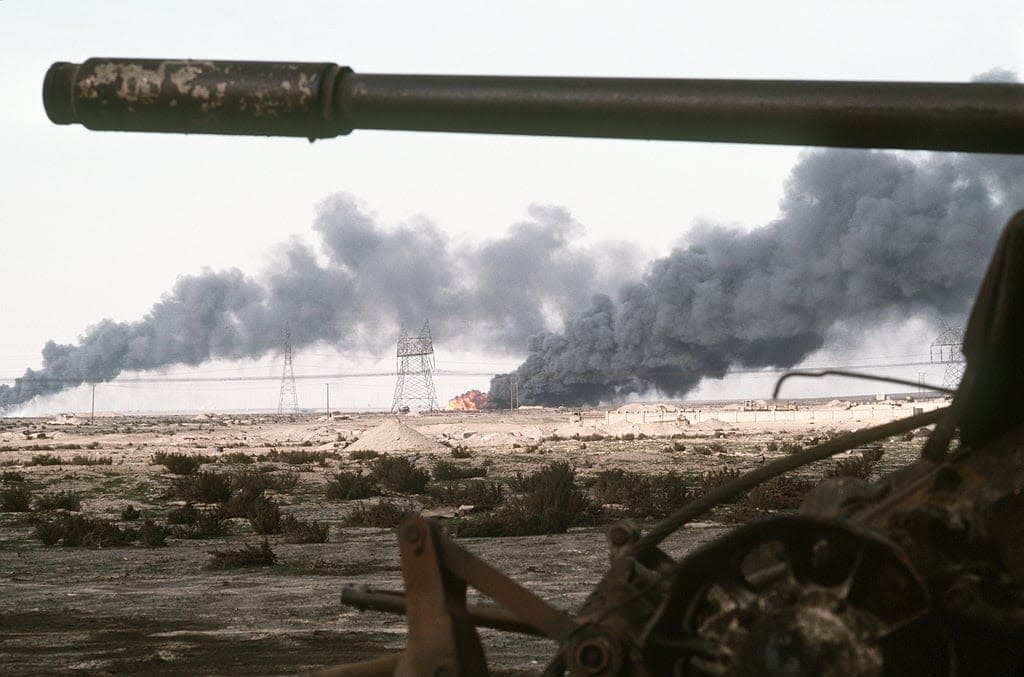
The end of the Cold War ushered in an era of new conflicts. In 1990, Iraq under Saddam Hussein invaded Kuwait, claiming disputed border lands and oil rights. A US-led, UN-backed coalition responded: Operation Desert Storm (January-February 1991) drove Iraqi forces out of Kuwait with overwhelming force. The Gulf War preserved Saudi Arabia and the Gulf states’ independence but left Saddam’s regime intact, albeit under crippling sanctions.
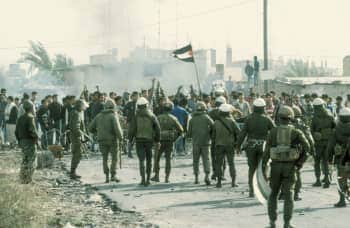
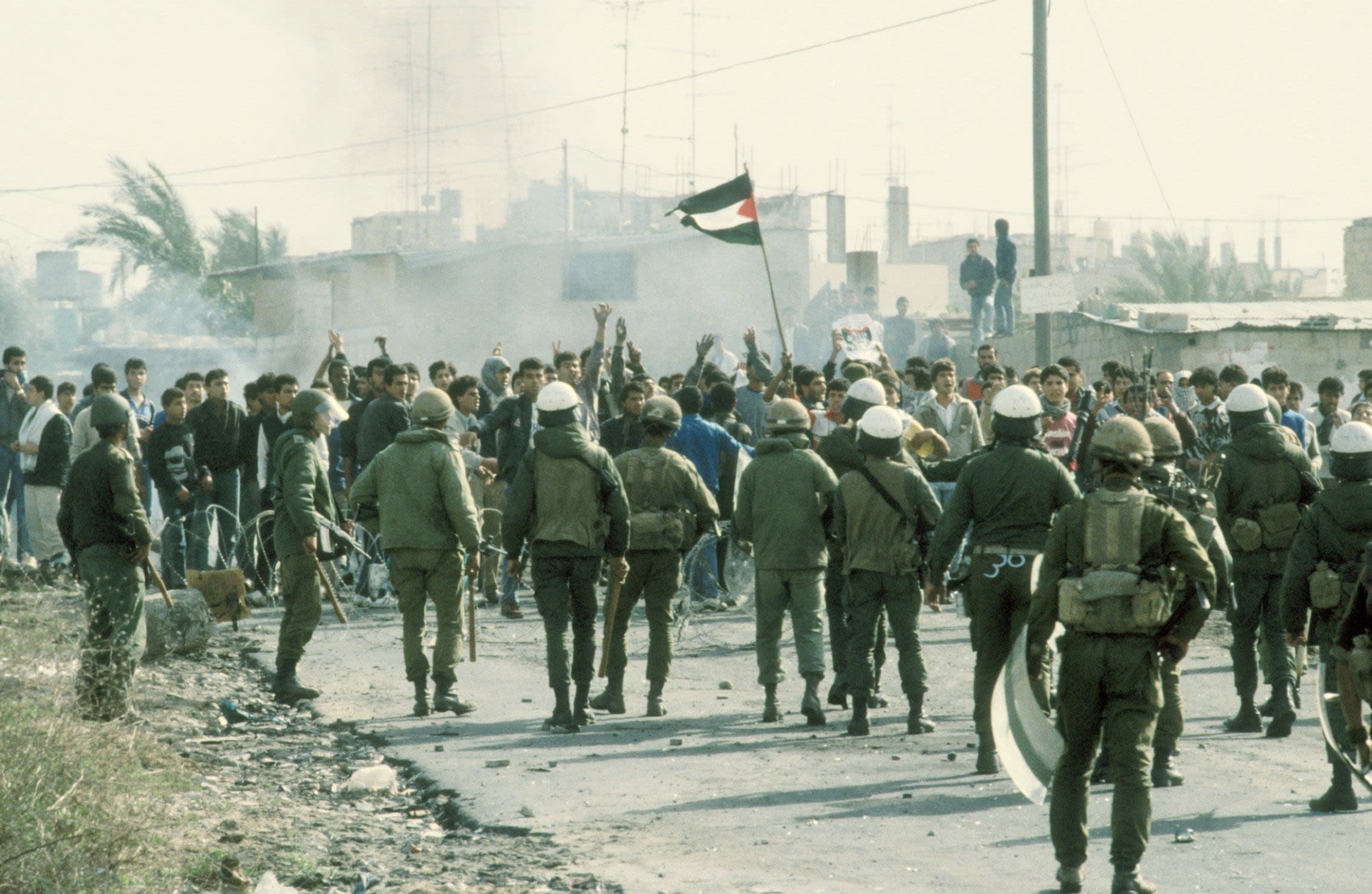
Meanwhile the Palestinian First Intifada (1987-93) led to the Oslo process and the rise of Hamas, and its Second Intifada (2000-05) underscored the failure of peacemaking.
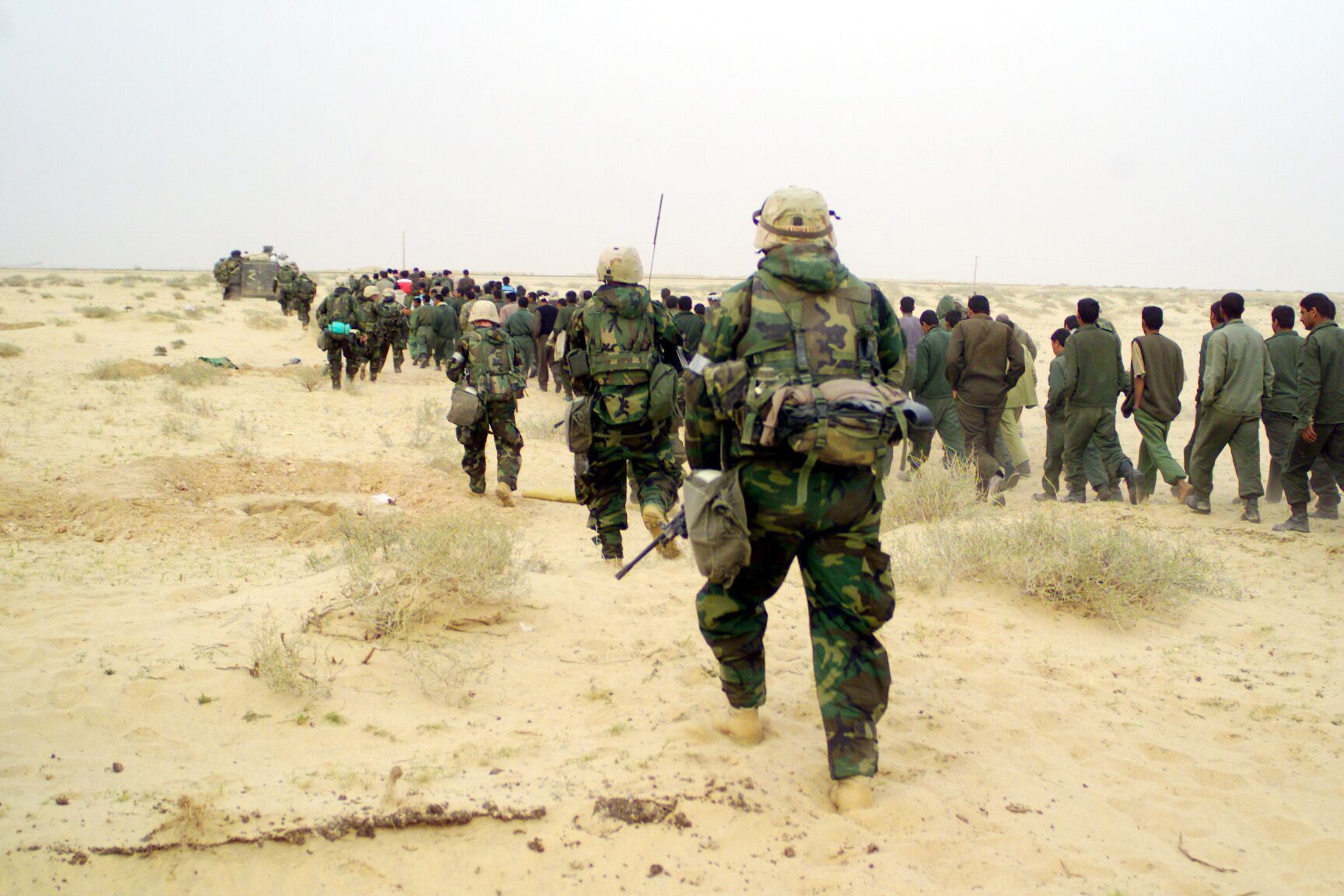
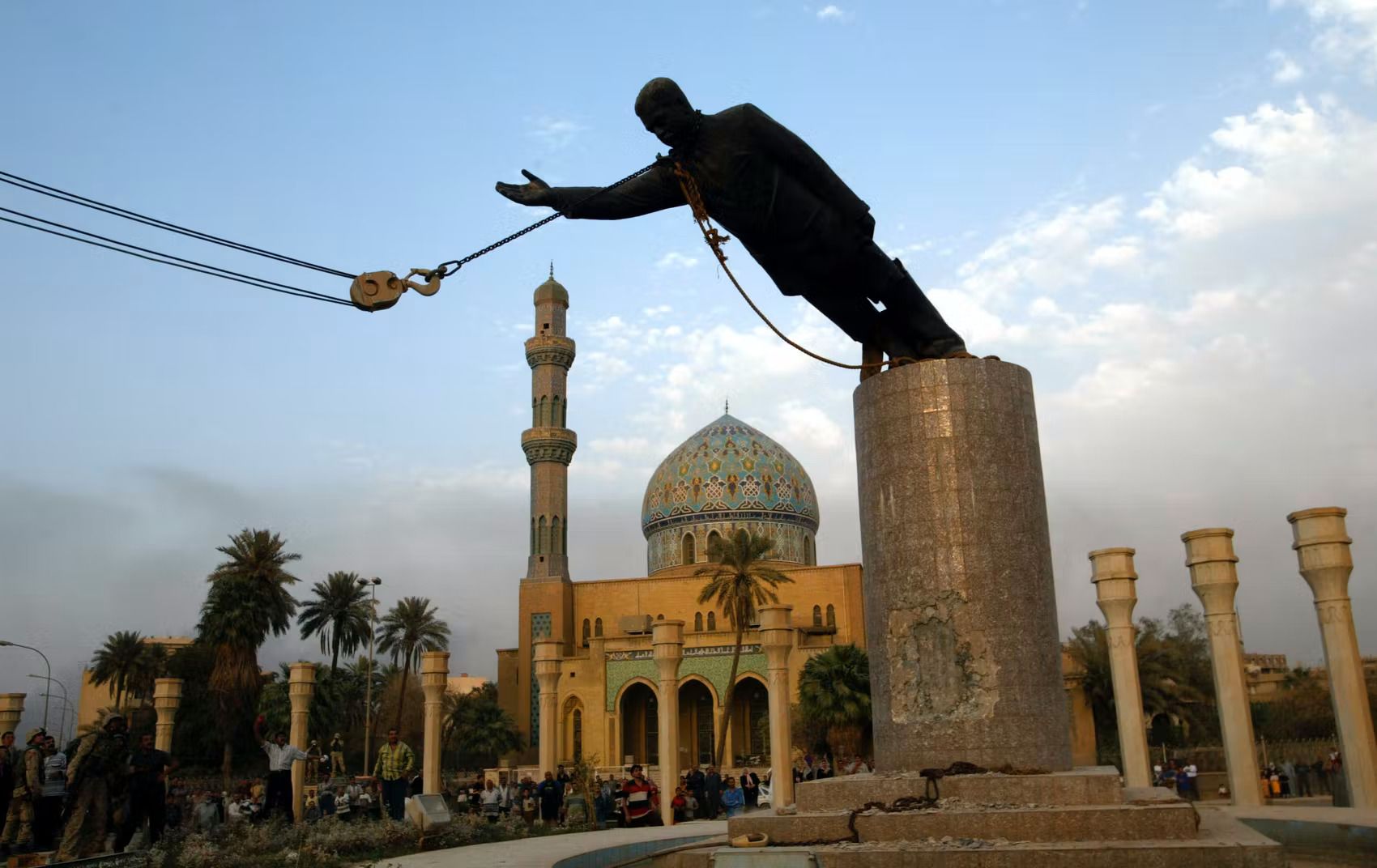
The new century opened with the US invasions of Afghanistan (2001) and Iraq (2003). Both campaigns toppled entrenched regimes but unleashed protracted insurgencies and sectarian strife, with the Taliban returning to power in 2021 and Iraq fractured by internal violence.
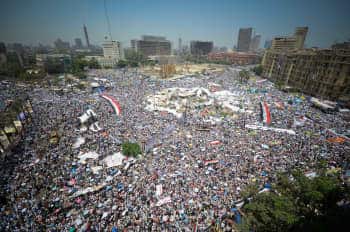
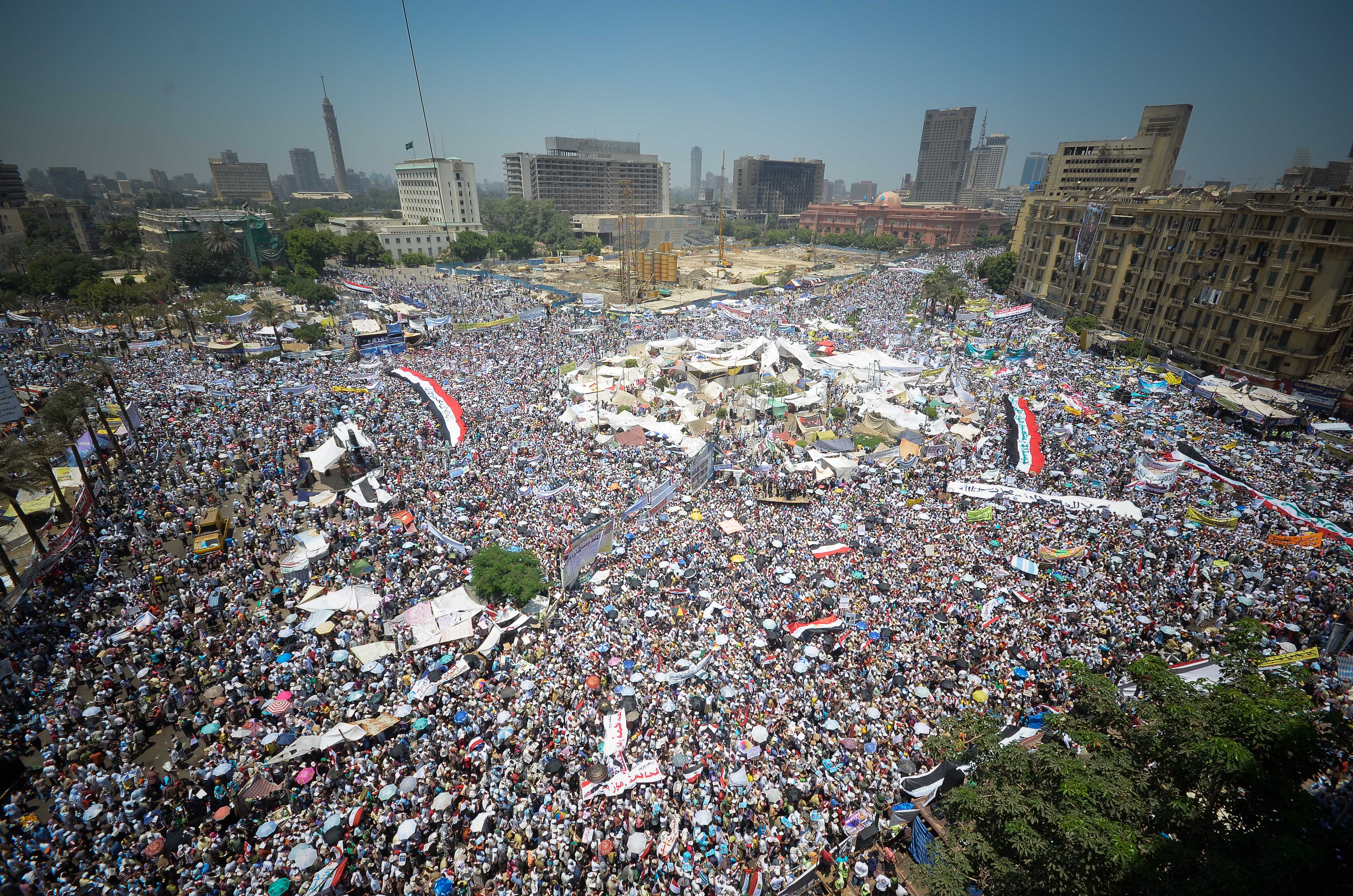
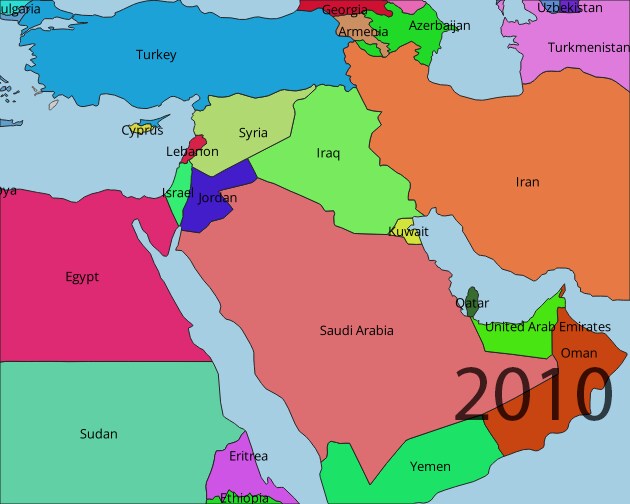
In 2010-11, popular uprisings swept the Arab world. Tunisia and Egypt ousted long-time presidents, but Egypt soon reverted to military rule before a brief Muslim Brotherhood government and then General Sisi’s presidency. Libya’s revolt led to a NATO-backed intervention that toppled and killed Muammar Gaddafi, only to leave the country mired in factional conflict. In Syria, peaceful protests met violent repression, sparking a civil war that persisted until 2024 under Bashar al-Assad’s Alawite-backed regime with Iranian and Russian support. Yemen’s revolt forced Saleh from power in 2012 but descended into a battle involving Houthi rebels and a Saudi-led coalition, while Bahrain’s protests were crushed by Gulf forces.
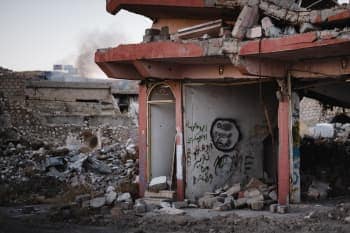
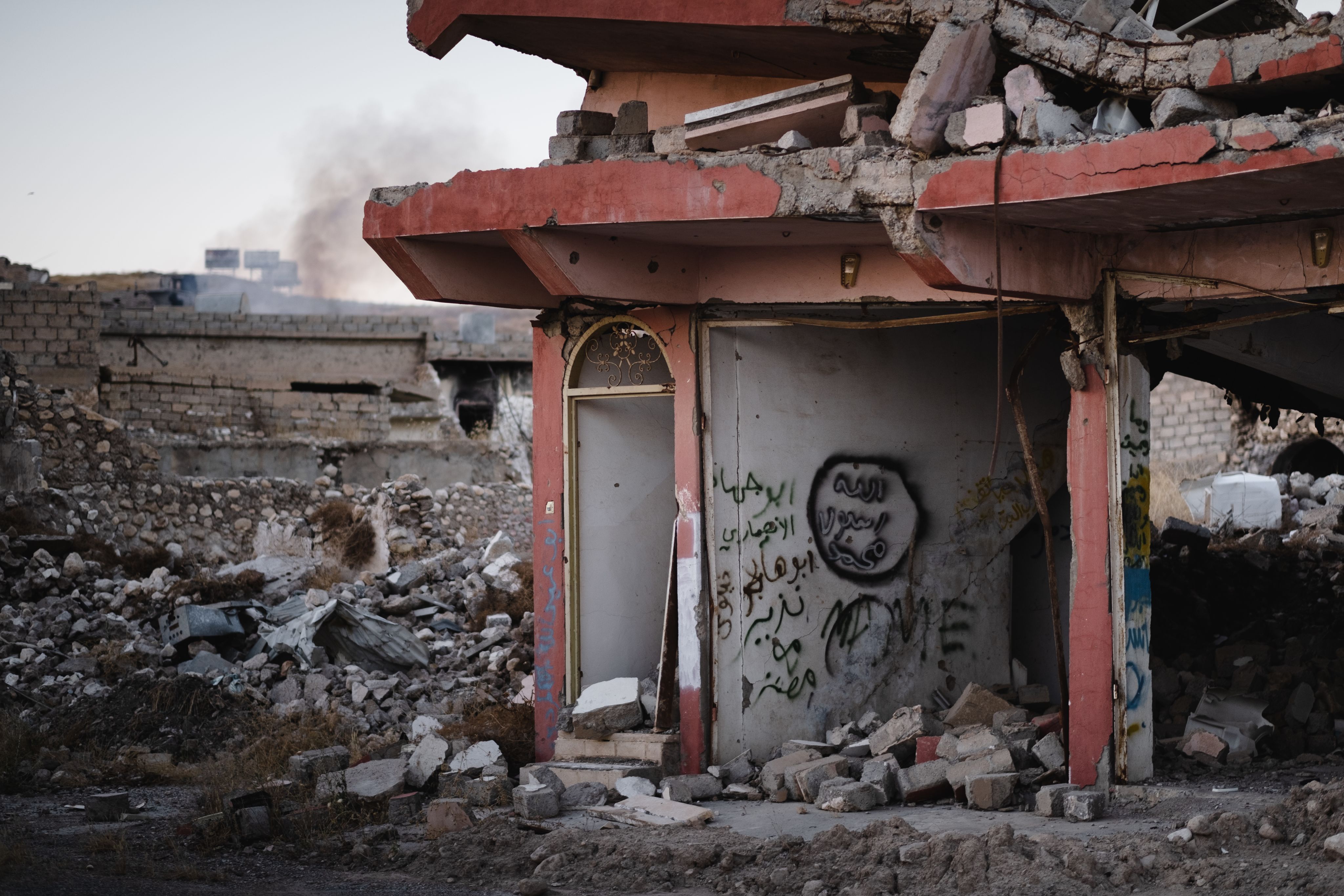
In the turmoil of the 2010s, the Islamic State (ISIS) seized global attention. Arising from the chaos in Iraq and Syria, ISIS proclaimed a "caliphate" in 2014 after capturing Mosul and Raqqa. At its height, it controlled roughly a third of Syria and 40% of Iraq and drew foreign fighters worldwide. A US-led coalition then waged a massive air and ground campaign. By late 2017 ISIS had lost 95% of its territory. Iraq’s prime minister declared victory over the group in December 2017. (ISIS affiliates continue terrorist attacks outside the region, but their "state" is gone.)

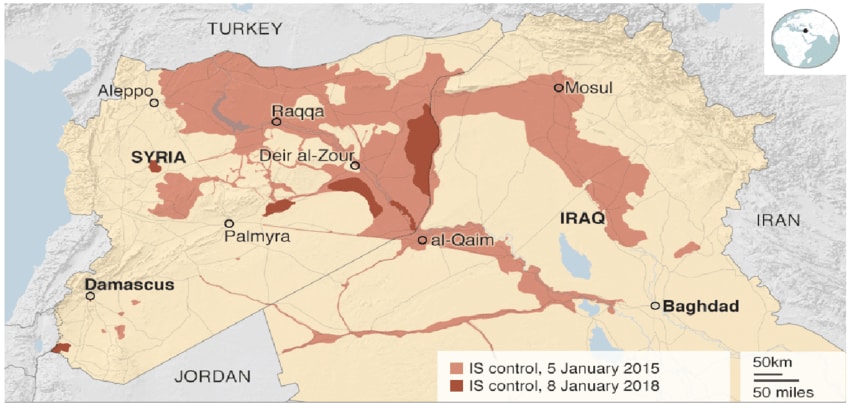
Map showing regions under the control of the Islamic State during 2015 and 2018 | Darya Ahmed. (2022) (adapted from BBC)
Map showing regions under the control of the Islamic State during 2015 and 2018 | Darya Ahmed. (2022) (adapted from BBC)
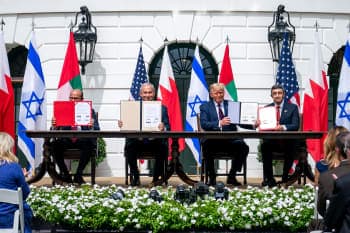
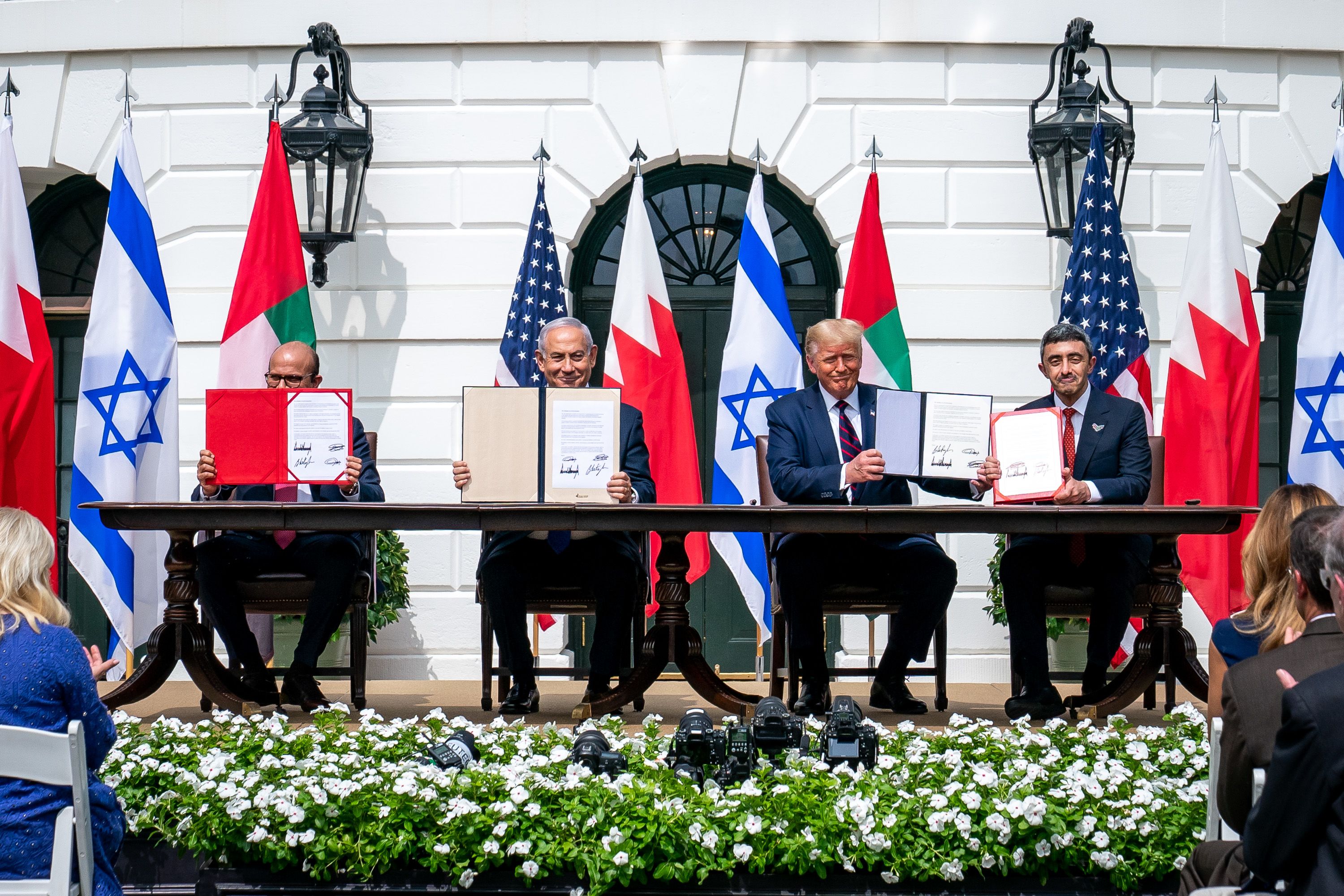
Diplomatic shifts followed. The 2020 Abraham Accords established open ties between Gulf states and Israel. Meanwhile, in March 2023, Saudi Arabia, the Gulf’s leading power, agreed to restore relations with Iran after a seven-year rift, marking a historic rapprochement between the region’s two major power blocs: the Sunni and Shia.
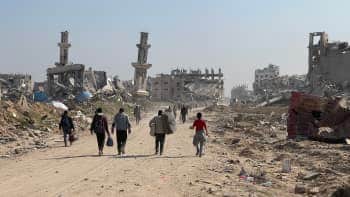
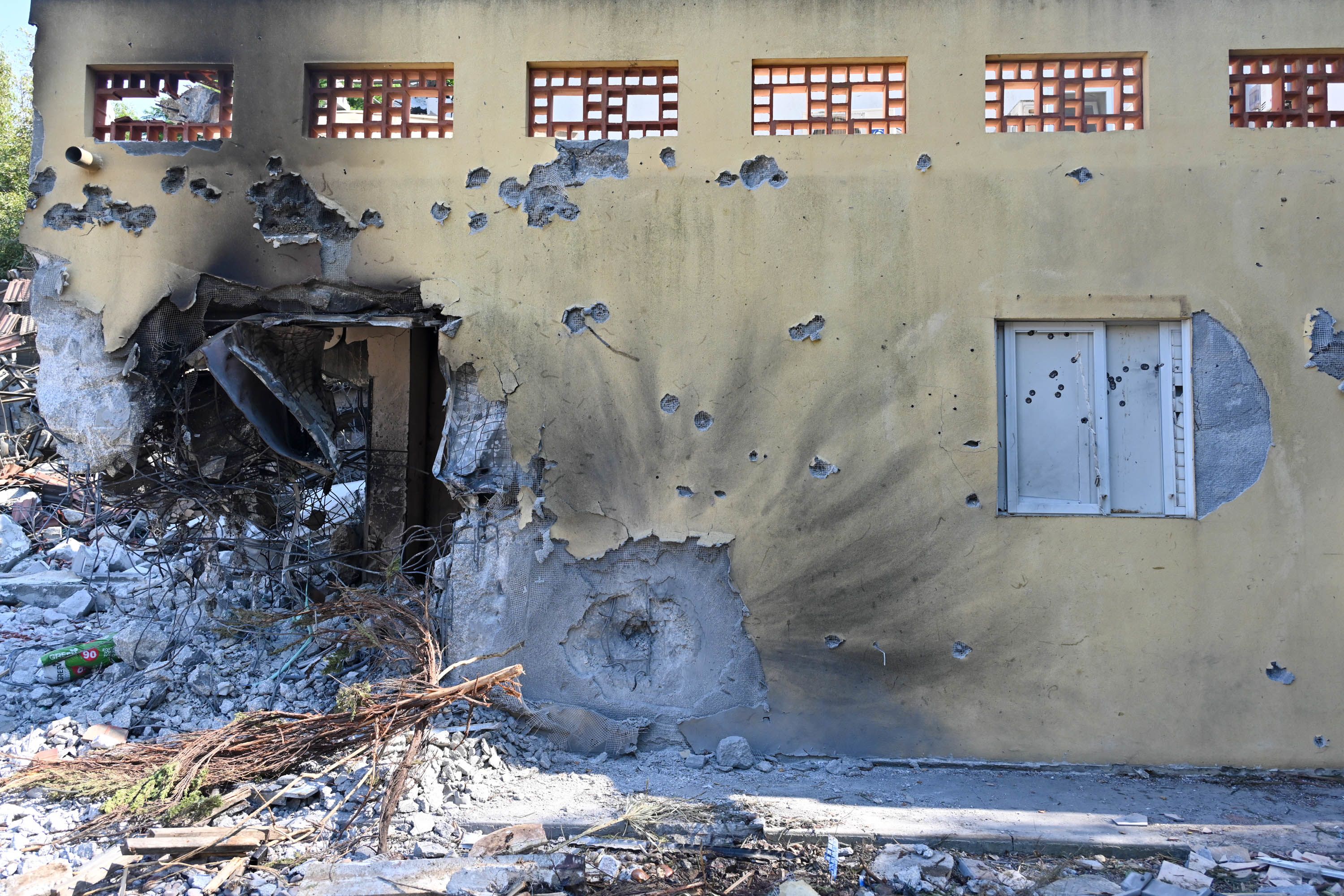
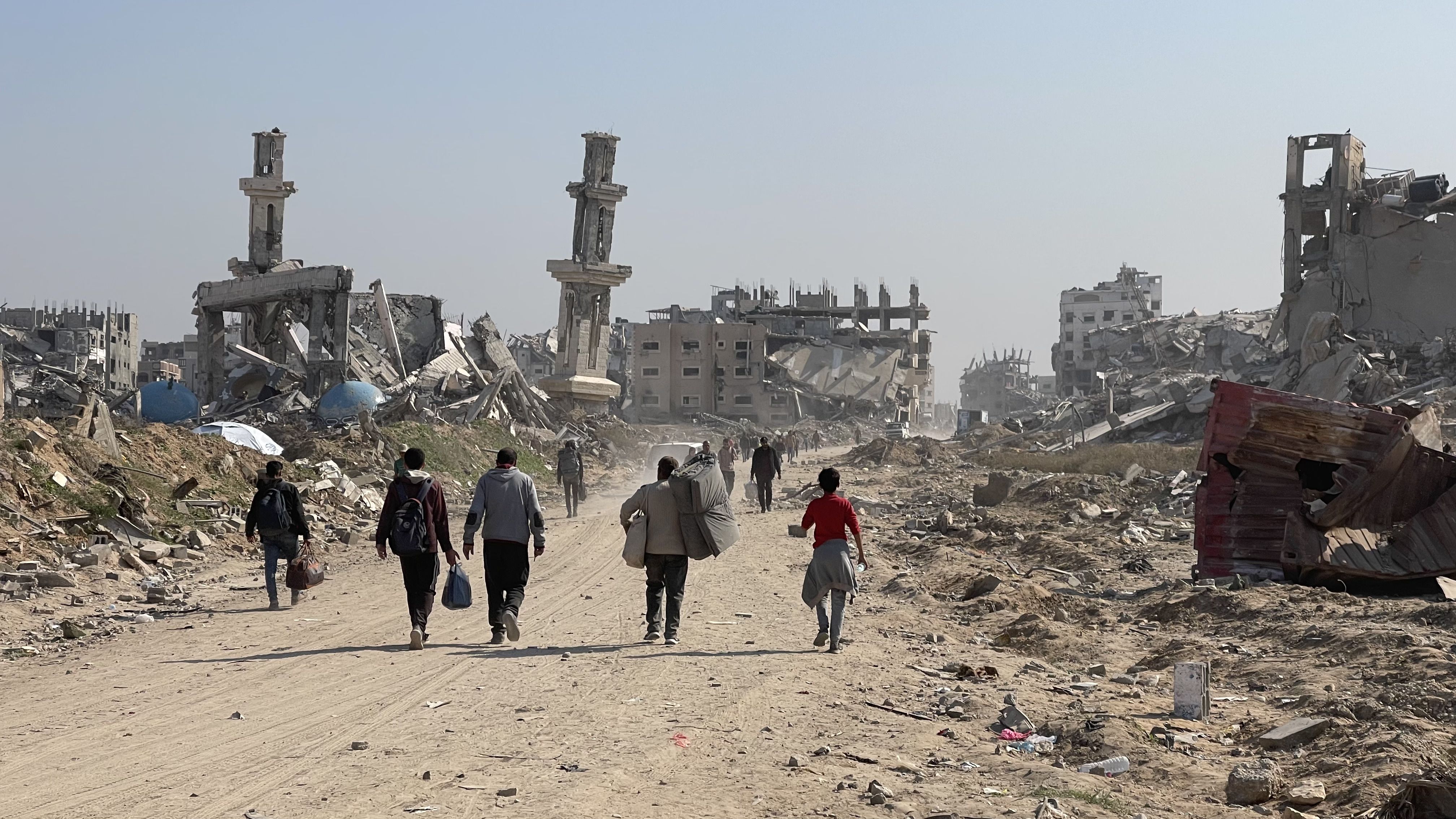
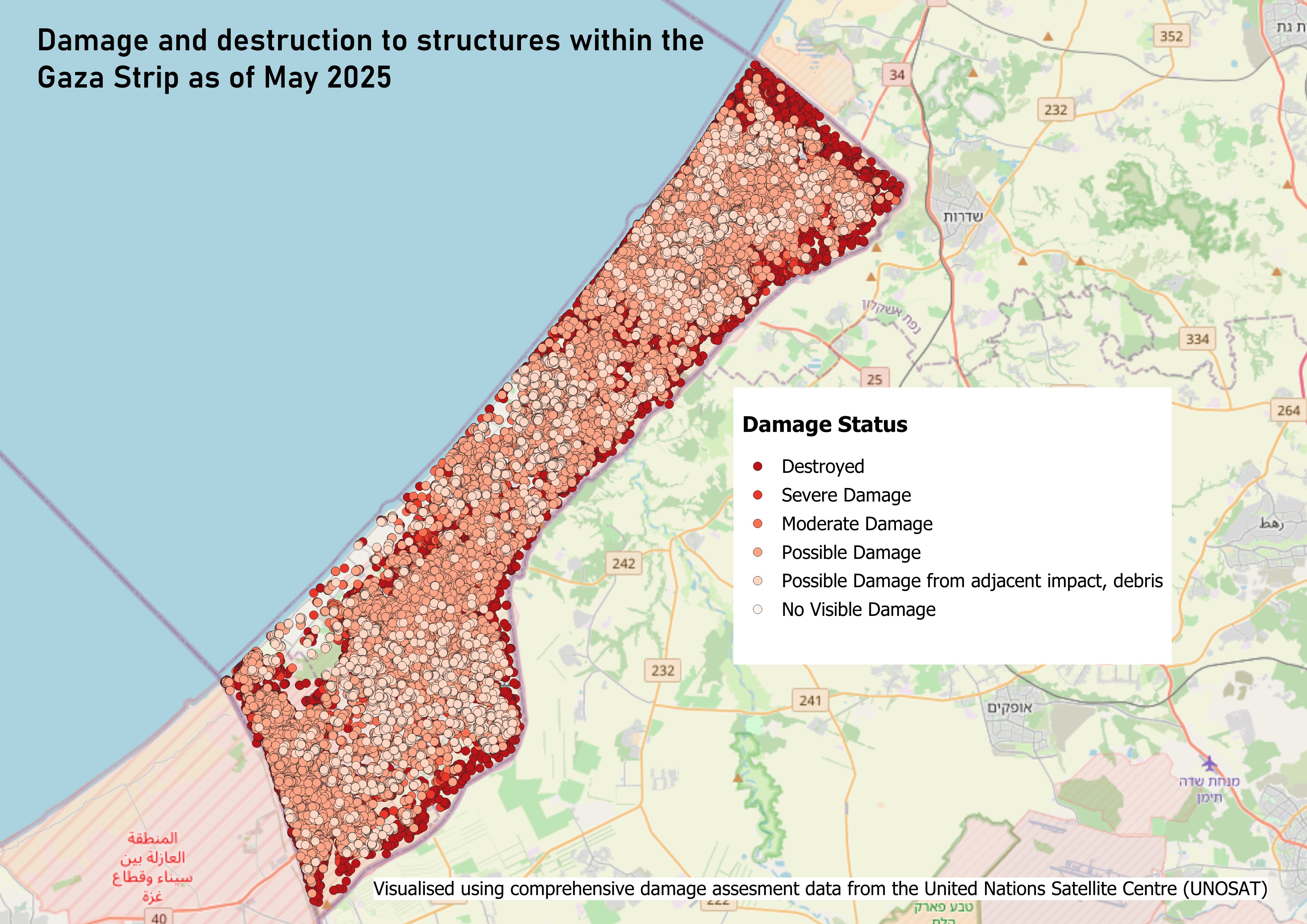
The fragile respite shattered on October 7, 2023, when Hamas mounted a large-scale assault on Israeli border communities, killing roughly 1,200 civilians and taking over 240 hostages. In response, Israel launched a major offensive in Gaza that has killed more than 57,000 Palestinians, as of July 2025, and destroyed the majority of the area's infrastructure — apart from carrying out repeated air strikes in southern Lebanon. Across at least 14 operations, the IDF shattered Hezbollah’s arsenals and killed thousands of fighters, including its long time chief Hassan Nasrallah in September 2024.

To the north, rebel forces seized Damascus in December 2024, ending over fifty years of Assad rule and installing a government under former rebel commander Ahmed al-Sharaa. In mid-June this year, Israel struck nuclear and military sites across Iran, killing senior IRGC officers. Iran then launched missiles and drones — many intercepted with US help — before a US-brokered ceasefire took effect on June 24. More recently, Israel carried out a series of airstrikes on Damascus just as Syria’s interim government under al‑Sharaa was winning international acceptance, justifying the raids as necessary to protect Syria’s Druze minority.
The combined impact of these protracted conflicts has been the redrawing of West Asia’s fault lines, ushering in a fragile order in which tenuous truces risk unravelling at the slightest provocation