
Thalapathy’s vision:
What Vijay’s films tell
us about his ideology
From chocolate boy to zealous reformist, here’s how Vijay’s roles transformed and charted his political aspirations
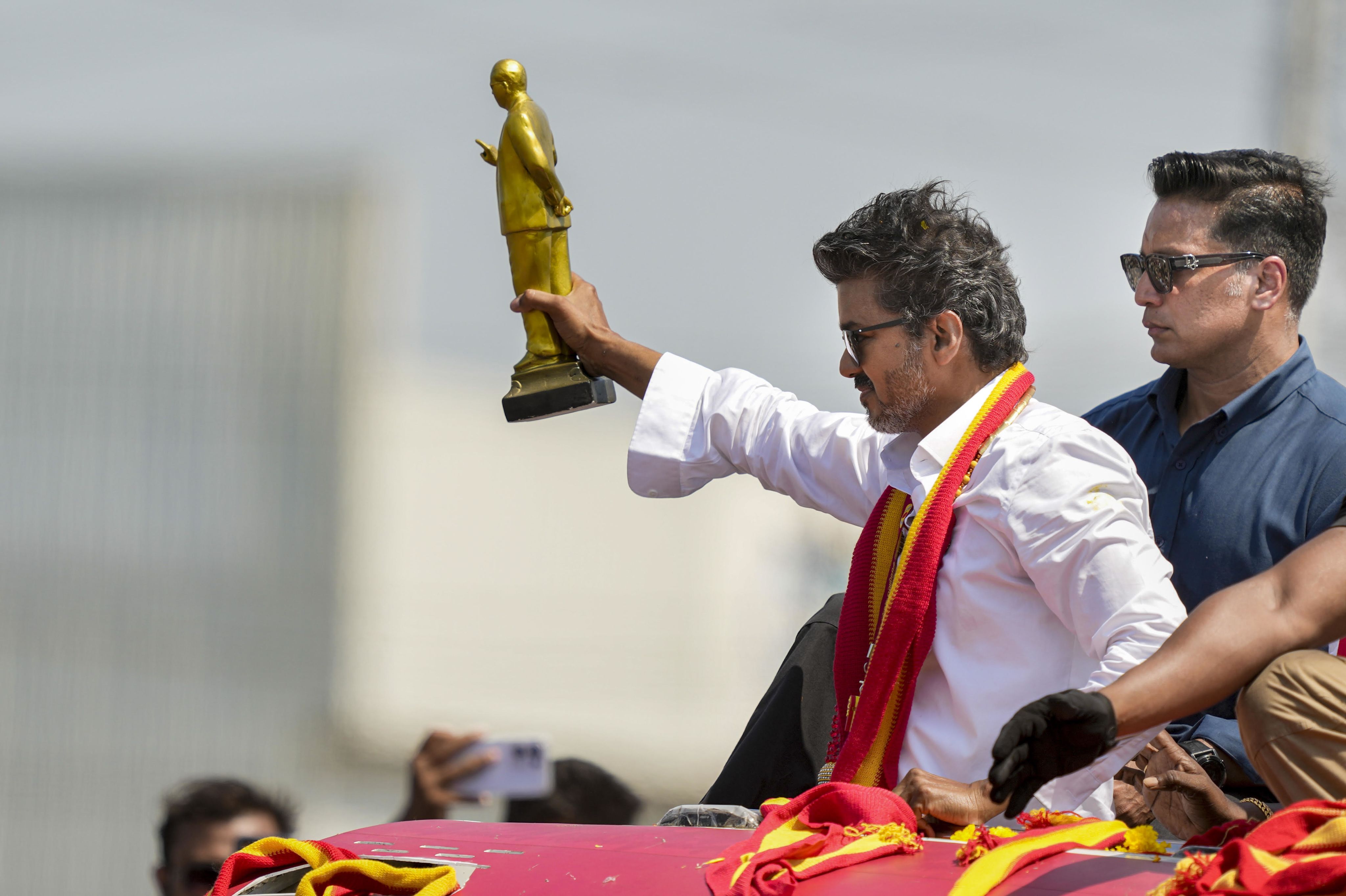

Tamil actor-turned-politician Vijay scripted a blockbuster electoral debut on Monday. His Tamilaga Vettri Kazhagam (TVK) was set to form the government in Tamil Nadu, with the superstar in pole position to occupy the CM’s chair. Here’s a look at his cinematic journey.
Vijay’s cinematic journey suggests that this political turn is not a sudden twist, but a long, carefully scripted build-up.


The son of director SA Chandrasekhar, Vijay’s initial foray into films was rooted in romance and family dramas where he played the chocolate boy.
Movies such as Kathalukku Mariyathai (1997, directed by Fazil), Thullatha Manam Thullum (1999, directed by S. Ezhil) positioned him as the boy next door, an endearing figure defined by sacrifice, deep-rooted emotional sincerity and empathy.
There were no political narratives in any of those 90s films, but they had an important function. They built “trust”. By playing relatable characters, he harvested emotional capital.


The real pivot came in the first decade of the 2000s. Vijay transitioned into action roles.
He played a young do-gooder lawyer in 2002’s Thamizan (directed by Abdul Majidh), and rebranded himself as a mass hero with a soft side in films such as Ghilli (2004, directed by Dharani) and Pokiri (2007, directed by Prabhu Deva).
He went after the baddies, did not follow all the rules, but ensured that good always triumphed over evil.

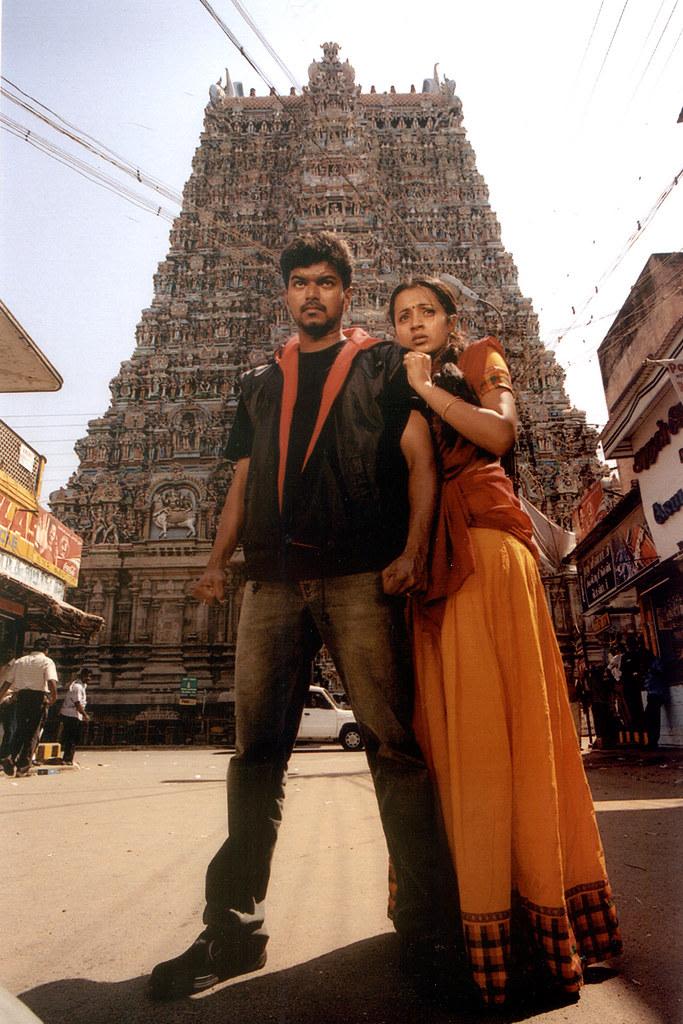
Around 2011, after the AIADMK won assembly elections, Vijay’s cinematic oeuvre took a distinctively political turn. Directors such as AR Murugadoss, who made films like Thuppakki (2012) and Kaththi (2014) moved to what could be called ground issue-based narratives.
Kaththi addressed the issue of agrarian distress and the corporate (particularly, multinational) exploitation of natural resources.

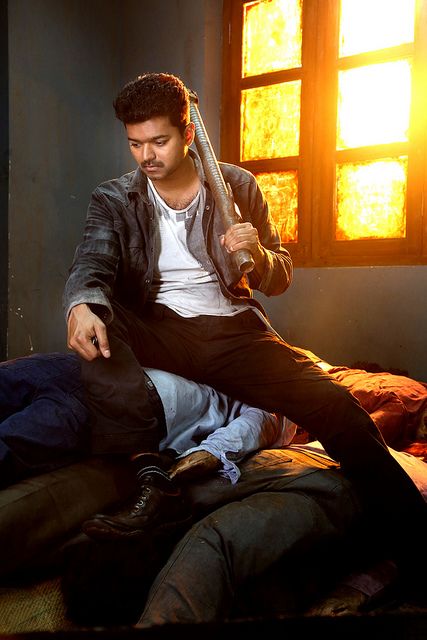
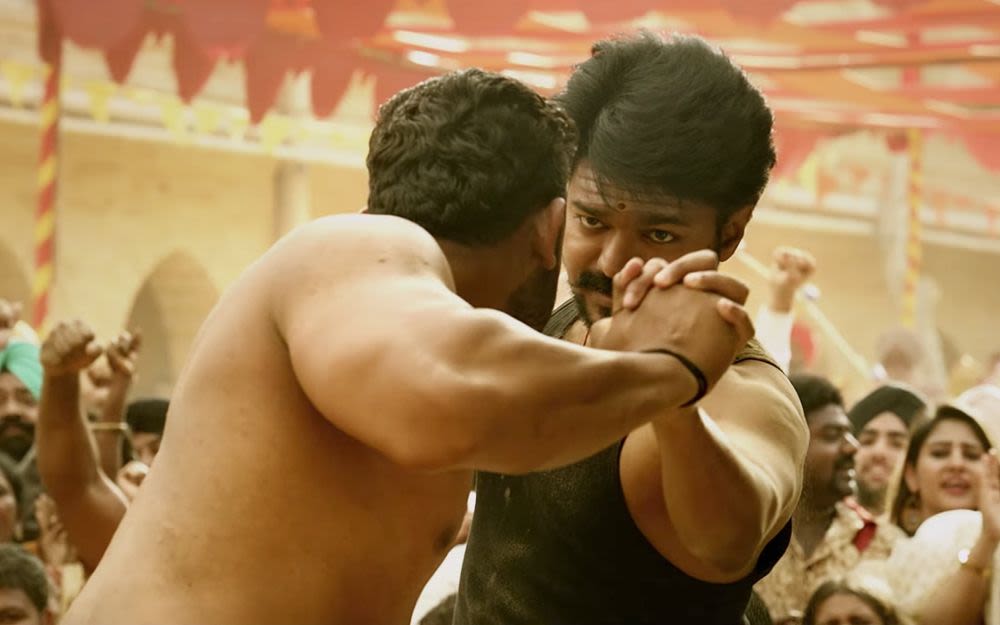
Mersal (2017, directed by Atlee) offered a sharp critique of the health care system and its growing commercialisation, with Vijay in a triple role, most notably as a doctor who treats the poor for just ₹5, symbolising an alternative ethic of care, against for-profit medicine.
Sarkar (2018, AR Murugadoss) presciently featured Vijay as Sundar, a tech CEO who returns to India only to find his own name missing from the electoral rolls, prompting him to challenge the system and, in the process, take on electoral malpractices.


A closer look at Vijay’s top 20 films on IMDb reveals a striking pattern.
Nearly 70% (14 out of 20) of his highest-rated films belong to the 1990s and early 2000s, dominated by romance and family drama such as Poove Unakkaga (1996,Vikraman), Kadhalukku Mariyadhai (1997, Fazil) and Kushi (2000, S.J.Suryah).
In fact, over 60% of these films are primarily romantic or have relationship-driven narratives, with little to no explicit political content.

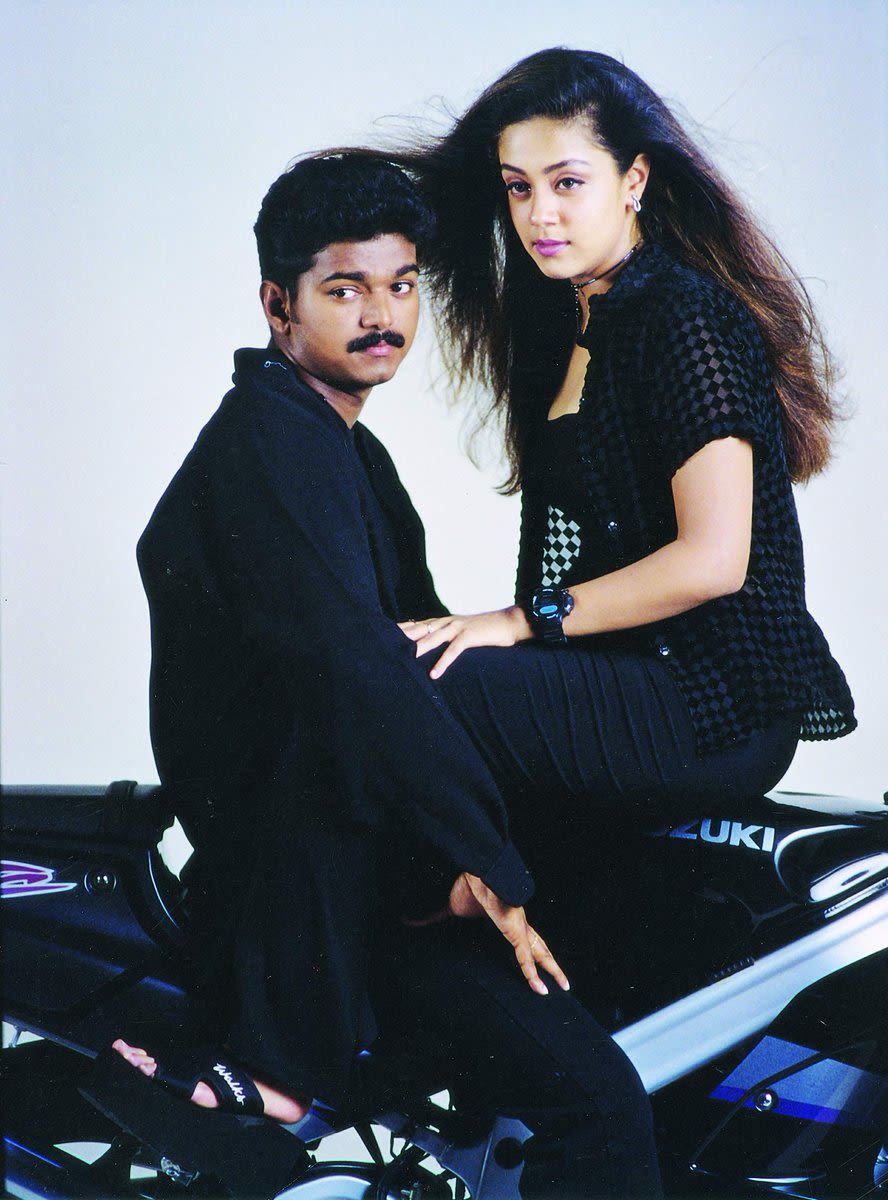
By contrast, films with overt political or social messaging such as Thuppakki, Kaththi and Mersal account for only 15% (3 out of 20) of the list.
Even within the broader action genre, which makes up roughly 25%, the earlier entries tend to focus on personal conflict rather than systemic critique.

The numbers suggest a clear trajectory.
Vijay’s strongest audience resonance was initially built on emotional and relational storytelling, while his political voice emerged later, layered onto an already accepted star persona.
 Built with Shorthand