Hindustan Times
In Focus

In Focus
Photo Credits: Instagram/@nasa
10 stunning pics of planets captured by NASA

The US space agency National Aeronautics and Space Administration (NASA) frequently shares captivating photos of planets. Here's a look at some of the stunning pics of planets captured by NASA.
Photo Credits: Instagram/@nasa

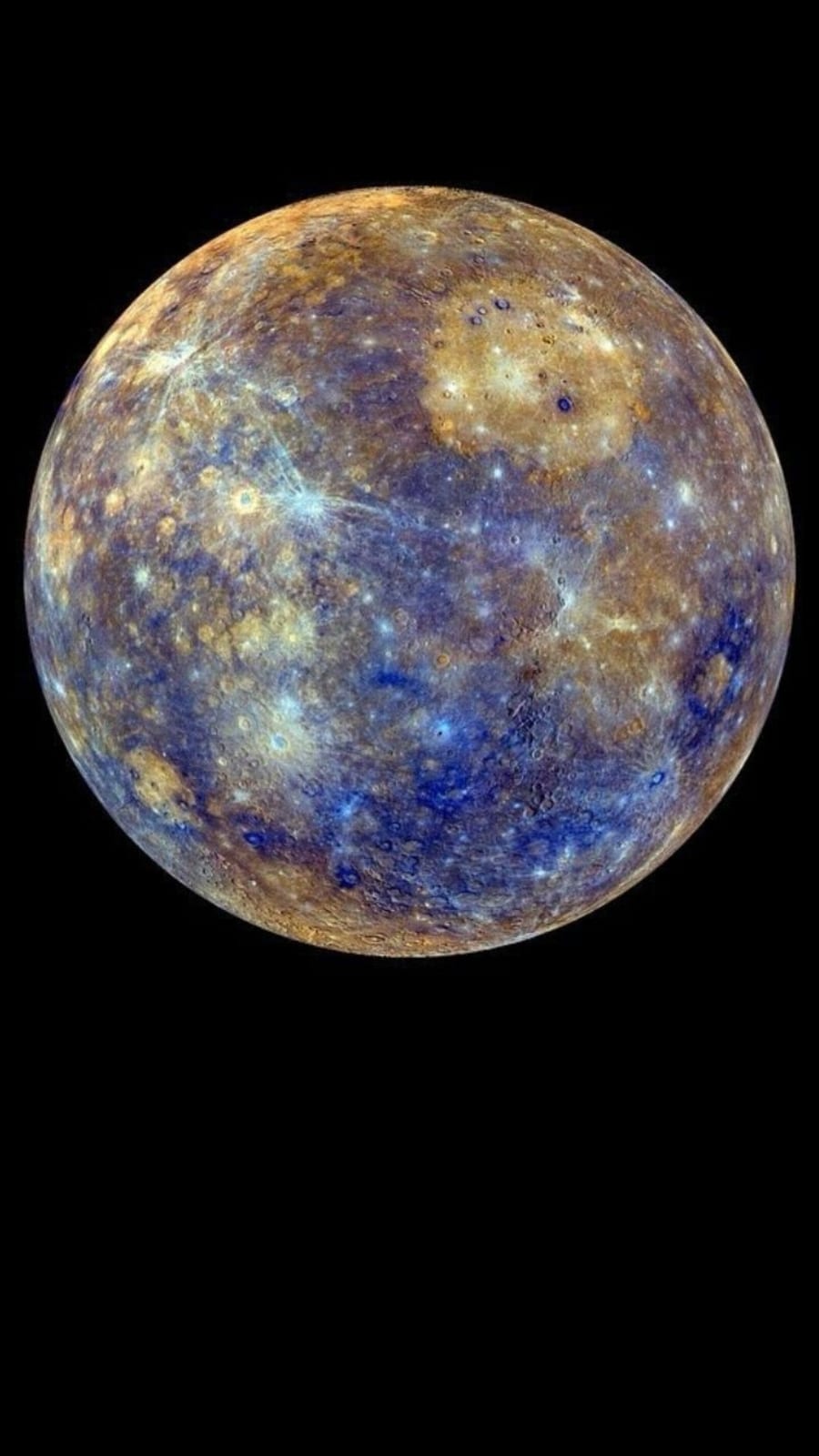
This glowing image of Mercury was captured by NASA's Mercury Surface, Space Environment, Geochemistry and Ranging (MESSENGER) spacecraft. The photo shows young craters on the planet in blue colour and opaque minerals in dark blue.
Photo Credits: Instagram/@nasa

This image of Saturn was captured by NASA's Cassini spacecraft in 2008 from a distance of 690,000 miles. The photo shows Saturn's rings extending to both sides of the image.
Photo Credits: Instagram/@nasa

This closeup photo of Jupiter's northern hemisphere captured by NASA shows massive storms swirling and churning in the gassy atmosphere of the planet in blue, tan and white colours.
Photo Credits: Instagram/@nasa

The Geostationary Operational Environmental Satellites (GOES) captured this photo of Earth's western hemisphere. The image shows snow and clouds in white, oceans in blue and continents in green and brown.
Photo Credits: Instagram/@nasa

This closeup photo of Pluto was captured by NASA's New Horizons spacecraft, the first to study the planet up close. The image shows craters and cracks on the surface of Pluto in red, white, tan and orange colour.
Photo Credits: Instagram/@nasa

This photo of Mars shows large mud cracks in red and brown on the planet's surface. The cracks are believed to have formed during the long cycles of wet and dry conditions on Mars.
Photo Credits: Instagram/@nasa

This image of Venus was captured by NASA's Mariner 10 spacecraft. It shows swirls of white blending with shades of red and tan.
Photo Credits: Instagram/@nasa

This photo of Uranus was taken by NASA's Voyager 2 spacecraft in 1986. The image shows the blue-green colour of the planet due to large amounts of methane.
Photo Credits: Instagram/@nasa

This picture of Neptune was captured by NASA's Voyager 2 spacecraft. The photo was taken at a range of 4.4 million miles from the planet.
Photo Credits: Instagram/@nasa

This photo of Jupiter was processed from the raw data collected from NASA's James Webb telescope's sensors. The image shows infrared lights outlining the planet.
Photo Credits: Instagram/@nasa
Read Next