Hindustan Times
In Focus

In Focus
Photo Credits: HT File Photo
Union Budget glossary: Direct and indirect tax, new and old tax regime, more

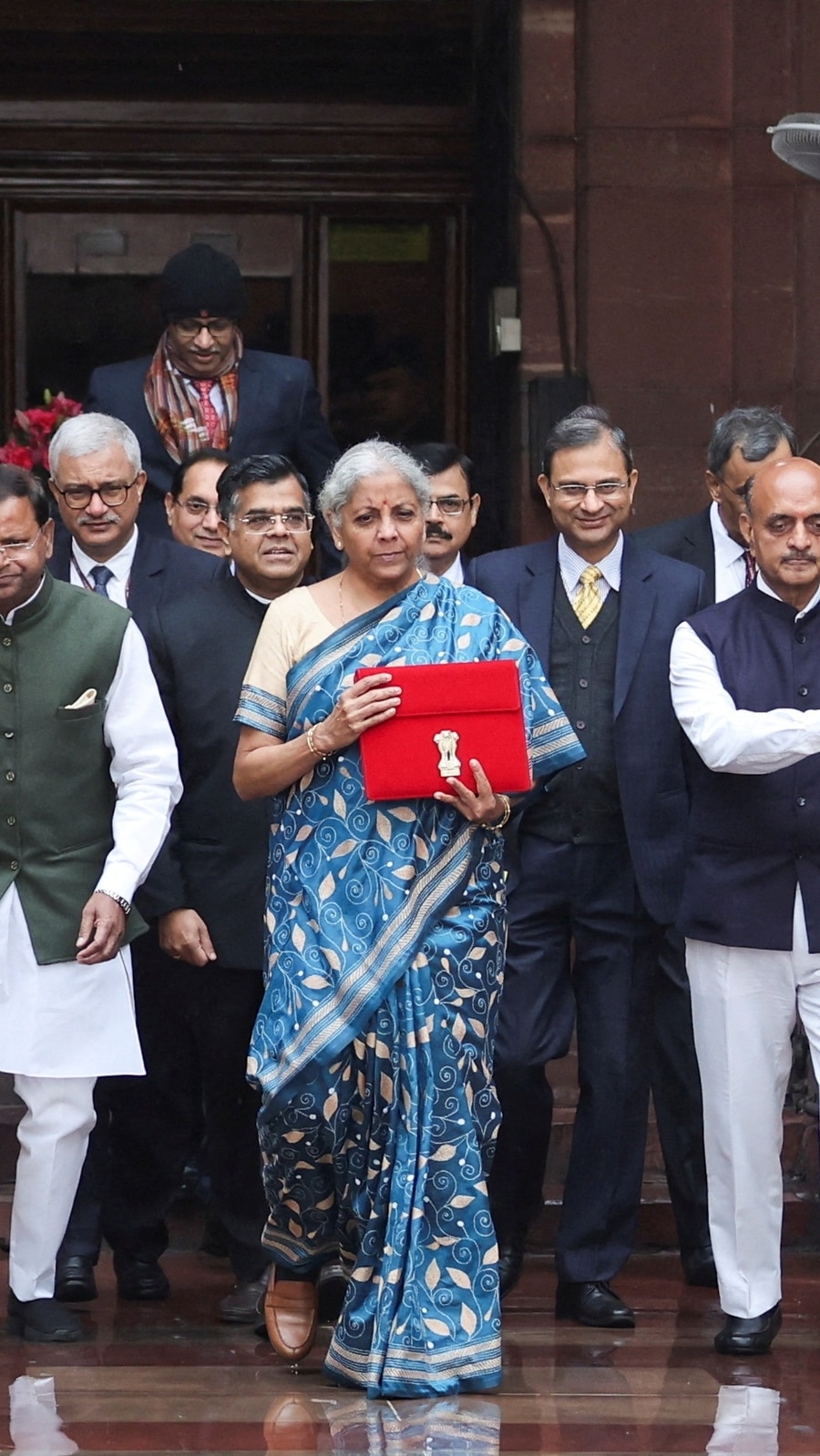
Finance Minister Nirmala Sitharaman will announce the Union Budget 2024 on July 23. Here's what you must look out for in the Union Budget.
Photo Credits: ANI

Direct taxes: Direct taxes are taxes levied by the government on the income of entities like a person or a company.
Photo Credits: Pexels

Income tax: Income tax is a type of direct tax levied on the income of an individual in a financial year. As the income increases, the tax to be paid also increases.
Photo Credits: Unsplash

There are two tax regimes for paying income tax in India, known as the new regime and the old regime.
Photo Credits: Unsplash

The new regime is an optional alternative to the old tax regime, that aims to provide more flexibility and choice to tax payers.
Photo Credits: Unsplash

New tax regime tax slab
Up to ₹3 lakh: NIL
₹3 - ₹6 lakh: 5% on income above ₹3 lakh
₹6 - ₹9 lakh: ₹15,000 + 10% on income above ₹6 lakh
₹9 - ₹12 lakh: ₹45,000 + 15% on income above ₹9 lakh
₹12 - ₹15 lakh: ₹90,000 + 20% on income above ₹12 lakh
Above ₹15 lakh: ₹1.5 lakh + 30% on income above ₹15 lakh
Photo Credits: Unsplash

Old tax regime tax slab
Up to ₹2.5 lakh: Nil
₹2.4 - ₹5 lakh: 5% above ₹2.5 lakh
₹5 - ₹10 lakh: ₹12,500 + 20% above ₹5 lakh
Above ₹10 lakh: ₹1,12,500 + 30% above ₹10 lakh
Photo Credits: Unsplash

Corporate tax: Corporate tax is the tax levied on the profits earned by a company. Currently, companies with an annual turnover below ₹250 Crore have to pay a 25% tax on their profits. Those with higher turnover pay 30% as tax.
Photo Credits: Unsplash

Capital gains tax: It is the tax on profits earned from selling assets like real estate.
Photo Credits: Unsplash

Indirect tax: Indirect taxes are levied by the government on the consumption of goods and services by the public. It comes indirectly from the consumer.
Photo Credits: Unsplash

Goods and Services Tax (GST): It is imposed by the government on the goods and services consumption. Essential goods get a lower tax slab and luxury goods get a higher slab.
Photo Credits: Unsplash

GST is divided into 4 types: Central GST (CGST), State GST (SGST), Union Territory GST (UTGST) and Integrated GST (IGST).
Photo Credits: Pexels

Read Next