Hindustan Times
Lifestyle

Lifestyle
Photo Credits: Unsplash
WHO Advises Against Non-Sugar Sweeteners
The World Health Organisation (WHO) released a new guideline on the consumption of non-sugar sweeteners (NSS) for controlling body weight or minimising the risk of noncommunicable diseases (NCDs)
Video Credits: Pexels
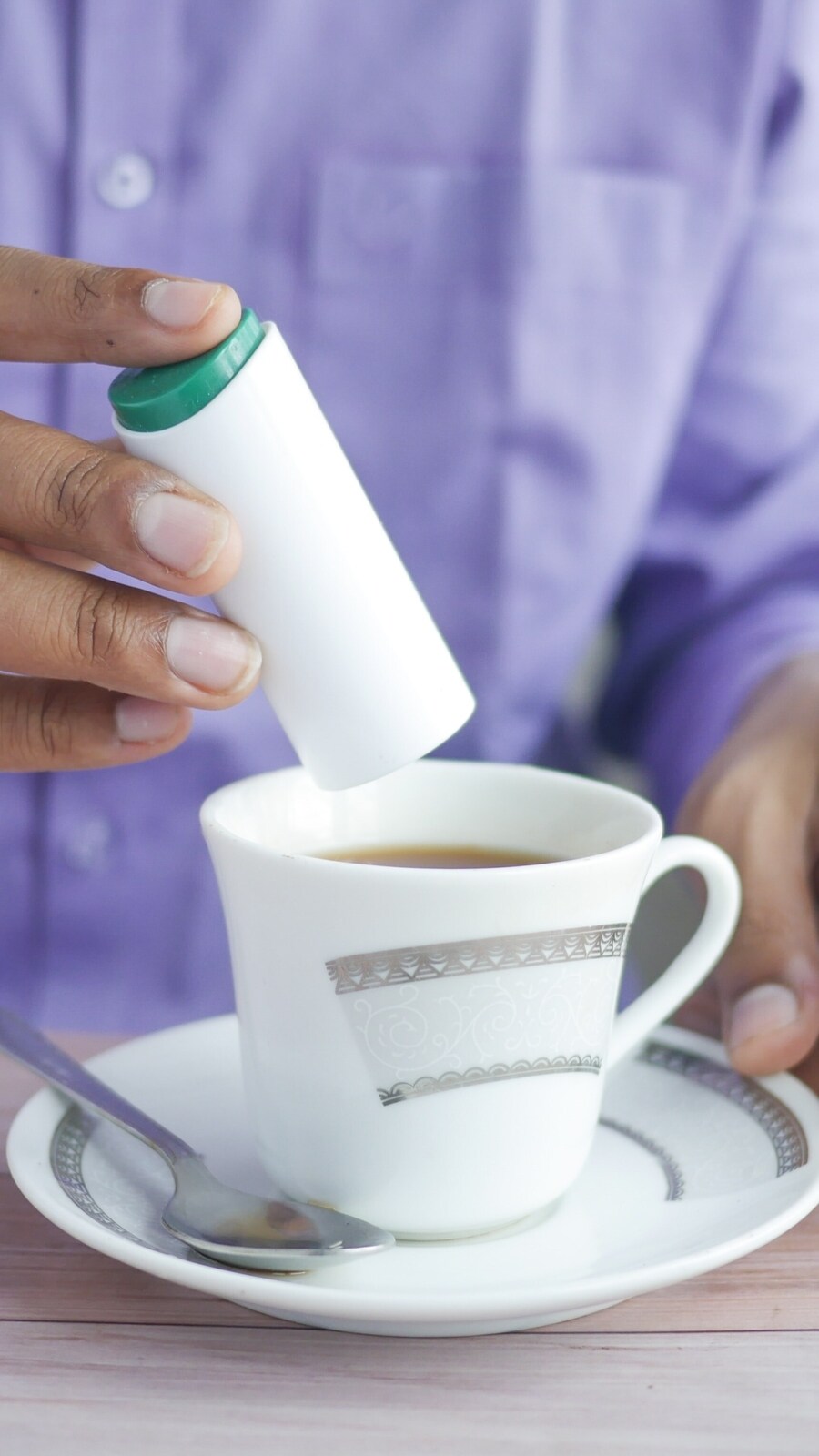
Non-sugar sweeteners are artificial sweeteners added to foods and beverages to make them sweet. They do not add calories and are commonly used in manufactured foods and drinks labeled as 'diet' or 'low calorie'
Video Credits: Pexels

A systematic review of the available evidence suggests that using NSS does not help in reducing body fat in adults or children
Photo Credits: Pexels

The results of the review also indicate that long-term use of NSS may increase the risk of type 2 diabetes, cardiovascular diseases and mortality in adults
Photo Credits: Pexels

"People need to consider other ways to reduce free sugars intake, such as consuming food with naturally occurring sugars, like fruit, or unsweetened food and beverages"
Francesco Branca
WHO Director for Nutrition and Food Safety
Photo Credits: LinkedIn/Francesco Branca

Branco said that NSS are not essential dietary factors and have no nutritional value. He added that people should reduce the consumption of sweets and sugar
Photo Credits: Reuters

The guideline suggests that the recommendation to avoid NSS is applicable to everyone except people with pre-existing diabetes
Photo Credits: Pexels

The WHO guideline on NSS is not applicable to personal care and hygiene products containing NSS, such as toothpaste, skin cream, etc
Photo Credits: Pexels

The guideline is a part of existing and forthcoming guidelines on healthy diets that aim towards achieving lifelong healthy eating habits, improving dietary quality and reducing the risk of NCDs globally
Photo Credits: Pexels
Common non-sugar sweeteners include acesulfame K, aspartame, advantame, cyclamates, neotame, saccharin, sucralose, stevia and stevia derivatives
Video Credits: Pexels
5 Summer Fruits For Healthy Skin
Read Next