Hindustan Times
Trending

Trending
Photo Credits: Shutterstock
4 creatures that produce the highest number of babies

In the natural world, some animals take the concept of reproduction to extraordinary extremes, producing staggering numbers of offspring in their lifetimes. Here are very examples:
Photo Credits: Shutterstock

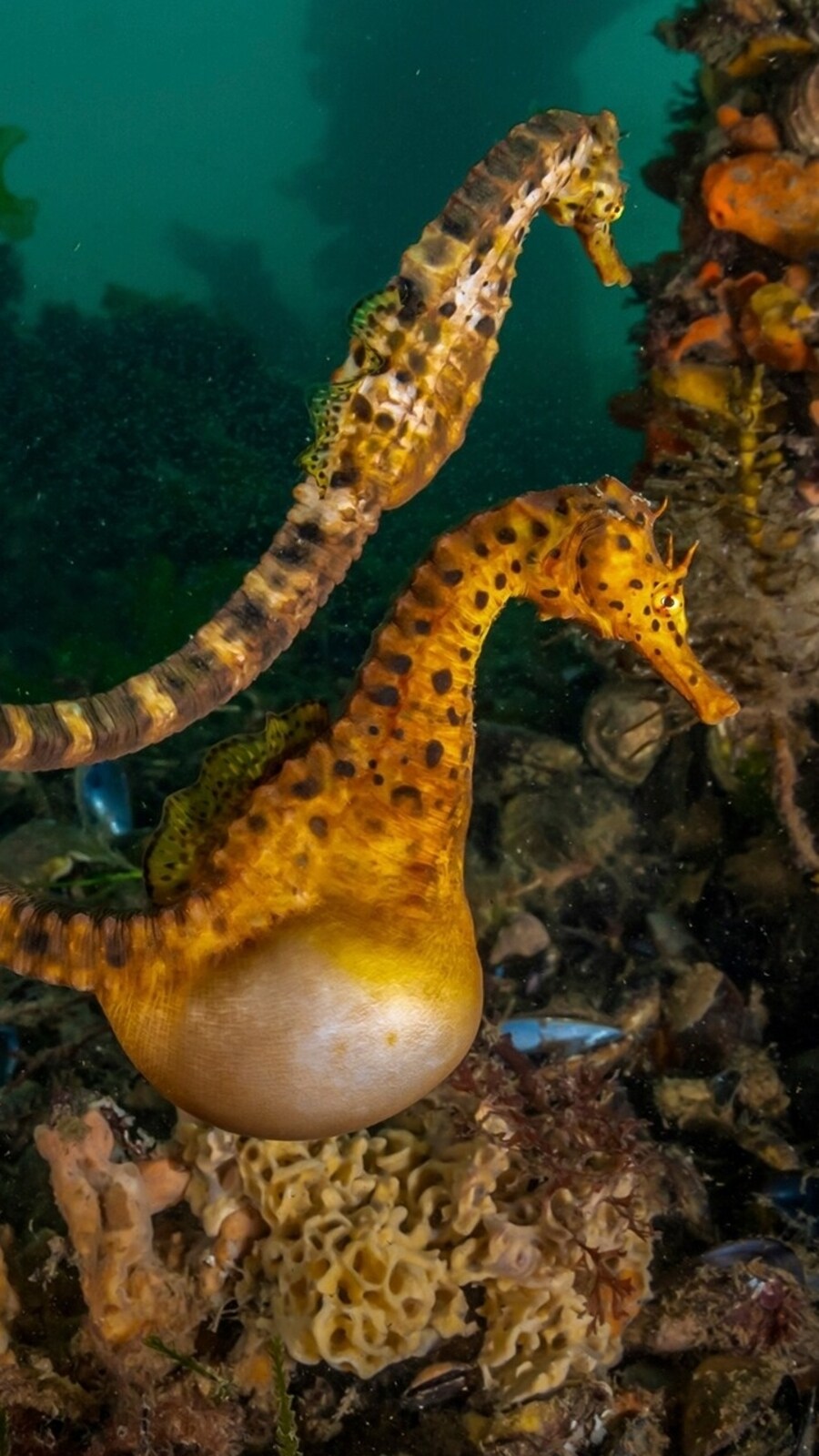
Seahorse births: Male seahorses release up to 2,000 babies, making them nature's living confetti cannons.
Photo Credits: Pexels

Male Seahorses as Parents: Male seahorses carry and birth eggs, from 150 to 2,000, depending on the species.
Photo Credits: Pexels

Ocean sunfish: The mola, or ocean sunfish, is the heaviest bony fish at 5,000 pounds and has a unique look.
Photo Credits: Shutterstock

Massive egg production: The mola lays up to 300 million eggs during spawning season, a staggering reproductive feat.
Photo Credits: Shutterstock

African driver ants: Known for their high egg output, these ants lay 3 to 4 million eggs every 25 days.
Photo Credits: Animals Wiki

Gray Partridge Clutches: North America's gray partridge lays between 16 to 22 eggs per clutch, one of the largest in birds.
Photo Credits: Shutterstock

Mother Nature’s Surprises: Nature’s diverse reproductive strategies, from seahorses to sunfish, showcase her creativity.
Photo Credits: Shutterstock

Diverse Adaptations: Reproductive methods vary widely, each serving a specific role in species survival.
Photo Credits: Factopolis

Size and output: Larger creatures like the mola produce more eggs, while ants also show impressive reproductive rates.
Photo Credits: Shutterstock

Evolutionary pressures: Evolution shapes reproductive methods, like the seahorse’s brood pouch and sunfish’s egg numbers.
Photo Credits: Shutterstock

Ecological Balance: These strategies help maintain ecological balance and reveal the roles species play in their environments.
Photo Credits: Shutterstock

Nature’s design: The diverse reproductive strategies reflect the wonder of nature's design and evolutionary possibilities.
Photo Credits: Pexels

Read Next