
Adolescent Education Workshop at DLF Public School
Adolescence is the most challenging phase in the life of students. Along with the academic pressure, students experience rapid emotional, physical, psychological, and social changes that shape their behaviour.
Schools now have started understanding and recognising the importance of the development needs of teenagers and are equipping teachers with the right understanding.
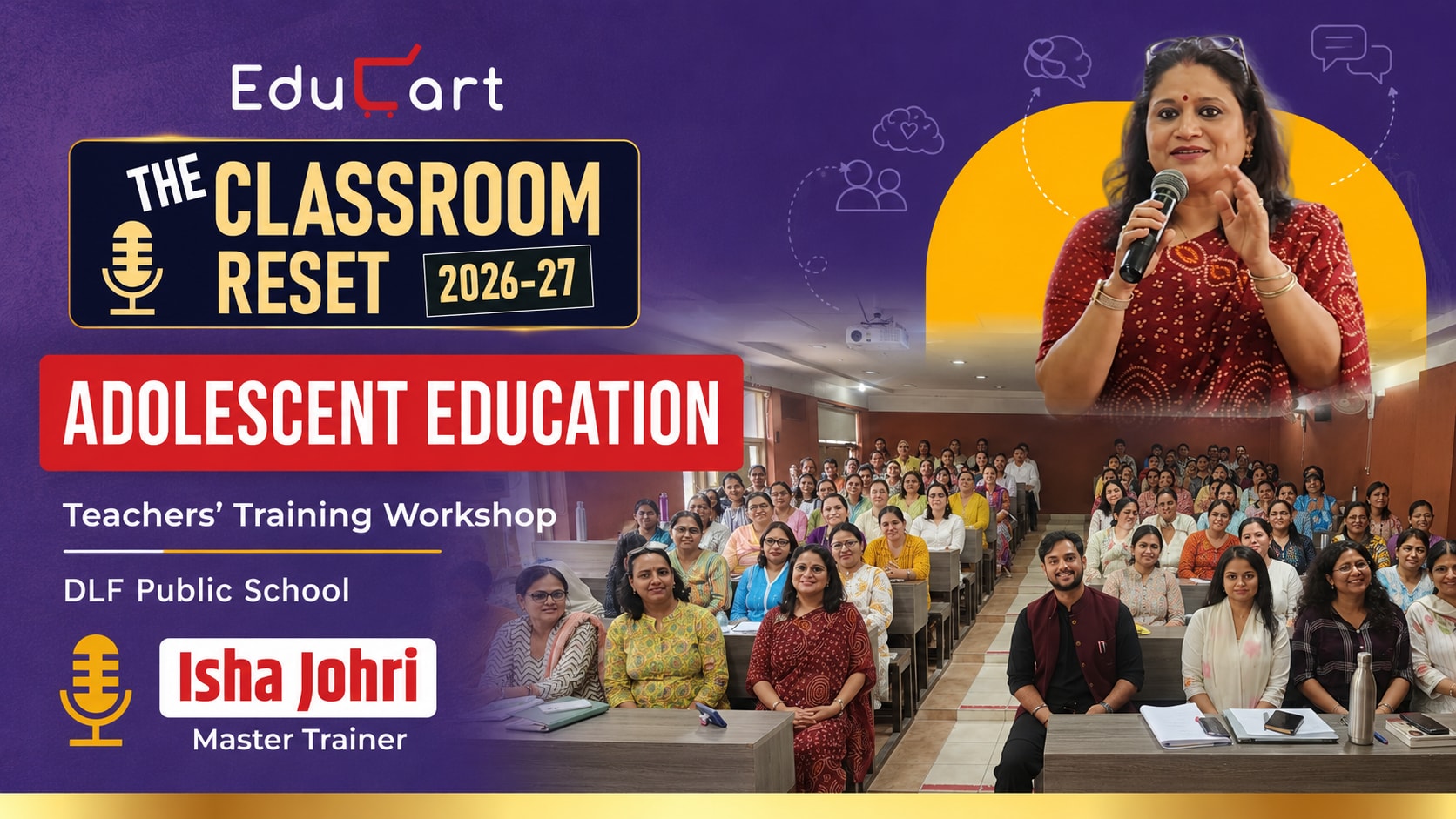
Keeping the objective in mind, Educart organised a teacher training workshop on adolescent education on 2nd July 2026. The workshop was conducted by Ms. Isha Johri while the discussions were led by Mr. Nishant Singh Lakra.
The session was a combination of reflection, classroom discussion and interesting activities allowing teachers to actively participate throughout the workshop.
Workshop At a Glance
- Venue: DLF Public School, Sahibabad
- Topic: Adolescent Education
- Duration: 2 Hours
- Speaker: Ms. Isha Johri
- Discussions Led By: Mr. Nishant Singh Lakra
- Participants: 62 Teachers
- Fees: Free
Understanding the Learners Before Teaching Them
The workshop began with an icebreaking session where the teachers were by Ms Isha to revisit their own teenage years. Participants shared personal experiences from adolescence and compared them with the realities faced by students growing up today.
This exercise helped the teachers to understand how the adolescent experience has evolved over the years. The discussions further moved to today's students being navigated by a world of social media, digital connectivity, and increased academic competition.
These factors were not available to influence the students in previous generations.
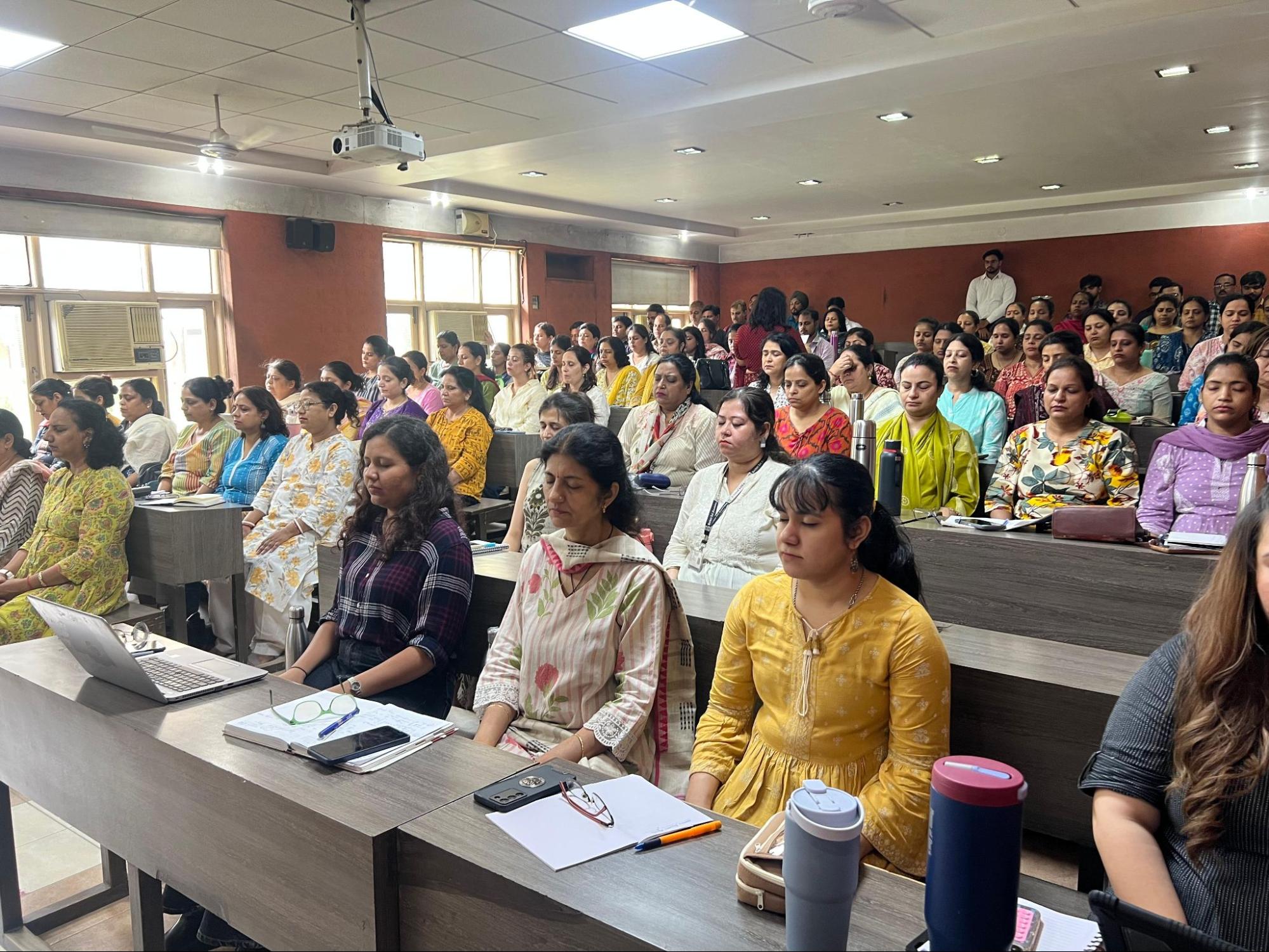
The activity not only encouraged participation but also established an emotional connection with the central theme of the workshop, understanding students before attempting to correct their behaviour.
Looking Beyond How the Book Defines Adolescence
Moving further from the theoretical explanations, Ms. Isha Johri guided teachers through different stages of adolescent development.
The discussion covered how this stage of life influences:
- Physical growth and hormonal changes
- Emotional fluctuations
- Cognitive development
- Social identity formation
- Changing relationships with peers and adults
Teachers remembered how these developmental changes reflect inside classrooms through participation, decision-making, behaviour and academic performance.
The most important takeaway from this section was that not every time the behavioural change by the students should be viewed as discipline concerns. Sometimes they are indicators of developmental transitions which require understanding rather than correction.
Adolescence Has Changed - So Should Teaching Approaches
One of the workshop's most engaging discussions revolved around comparing adolescence across generations.
Participants examined how today's learners are affected by factors such as:
- Continuous social media exposure
- Digital-first lifestyles
- Increased academic pressure
- Online comparison and validation
- Expanding peer influence
The segment motivated teachers to reflect on why traditional approaches may not effectively work in addressing the emotional realities of today's teenagers.
Rather than relying solely on discipline, educators discussed the importance of adapting their teaching practices to suit the changing needs of students.
Recognising Emotional Challenges at an Early Stage
This segment sums up the topic of the workshop. It focused on identifying emotional distress before it begins affecting the student's complete development.

Teachers learned to observe behavioural factors including:
- Withdrawal during classroom activities
- Anxiety and stress
- Irritability
- Declining academic performance
- Social isolation
- Excessive fear of failure or constant need for approval
Instead of reacting only to students' behaviour, teachers learned to understand the emotions behind their actions. This will help them respond in a more supportive way and guide students more effectively.
The Power of Positive Teacher Communication
The workshop moved forward with making the teachers understand the power of language and empathetic communication. Using practical examples from everyday classroom situations, participants understood how simple changes in communication can improve:
- Student confidence
- Emotional security
- Classroom participation
- Mutual trust
- Learning motivation
This part of the segment focused on communication practices such as active listening, respectful conversations, positive motivation, and non-judgemental responses.
From Discussion to Classroom Practice
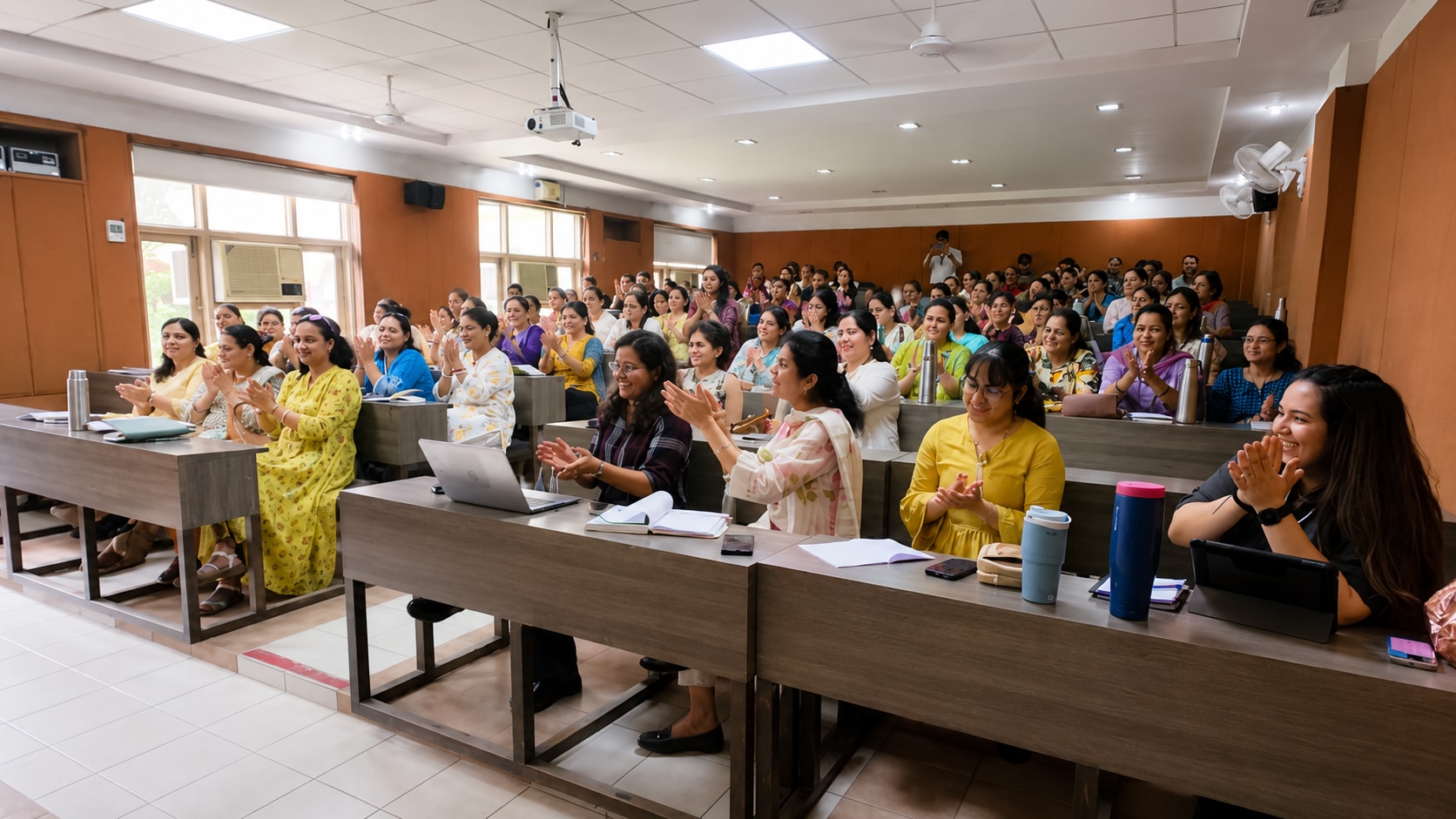
Practicing makes things easy to understand. To translate the ideas into action, the workshop included interactive role-play sessions. These sessions were based on real classroom situations.
Participants worked through scenarios involving:
- Students arriving late
- Incomplete homework
- Classroom distractions
- Academic stress
- Difficult teacher-student conversations
These activities made the educators experience how empathetic communication can improve relationships while maintaining classroom discipline. Each activity was followed up with a collaborative discussion.
This helped teachers in planning practical strategies for the classrooms which can be implemented immediately.
Reflection Turned Commitment
The workshop came to an end on a reflective note where participants discovered one meaningful change that they implemented in their classrooms. The closing activity transformed the workshop's learning into a personal commitment.
Teachers reinforced the shared responsibility together in building classrooms where students are emotionally safe and supportive.
By the end of the session, the participants together recognised that supporting adolescents requires not only academic guidance but also empathy and meaningful human connection.
Conclusion
By supporting the teachers in understanding the adolescents better, the workshop equipped them with practical classroom strategies. Educart continues to support educators through training programmes that create positive and emotionally safe learning environments.