
Educart's "The Classroom Reset 2026-27" Webinar: A Powerful Dialogue on Value Education for India's Teachers

Educart hosted The Classroom Reset 2026-27, a free studio-based webinar held on 26 April 2026, bringing together some of the most respected voices in school leadership for a thought-provoking conversation on value education.
The two-hour session focused on helping teachers build 21st-century values like integrity, resilience, and empathy, while also offering practical classroom strategies. It was organised into five segments featuring experienced principals and academic leaders, addressing major challenges in today's classrooms.
The event began with an engaging opening by Nishant Singh Lakra, who set the tone by introducing Educart's vision as a publication house that goes beyond reference materials and workbooks. He highlighted its 25-hour Continuous Professional Development (CPD) programme, focused on ethics, values, and overall teacher growth.
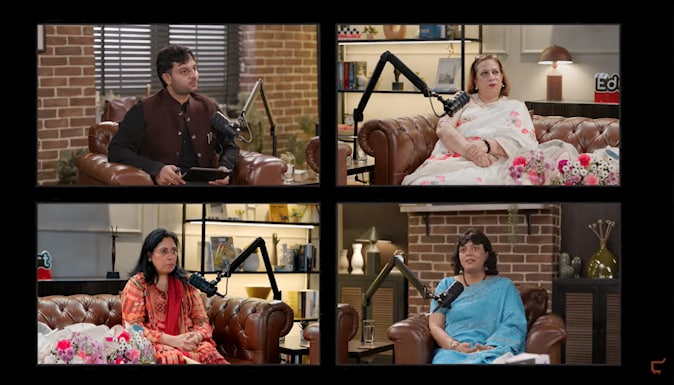
He then introduced the esteemed guest speakers:
- Dr. Neeta Bali: Director Academics, MVN Group of Schools
- Dr. Jyoti Gupta: Director, K.R. Mangalam World School, GK-2
- Mrs. Seema Jerath: Principal, DLF Public School
Speaking about the importance of the webinar, Mr. Nishant Singh Lakra said,
"At Educart, we believe that education is not just about textbooks and exams. Through 'The Classroom Reset,' our goal was to connect directly with teachers, help them navigate real classroom challenges, and inspire them to lead with values. When teachers grow, students grow, and that's how we shape a better tomorrow."
Segment 1: Classroom Realities & Value Stories
The first segment opened with a candid conversation on why value education matters more than ever before.

Dr. Neeta Bali highlighted that teaching loses its purpose if values like integrity, honesty, and resilience are not instilled. She pointed out students today have severely shortened attention spans making efficient classroom engagement a challenge and suggested using "brain breaks" along with consciously building grit to help them handle real-life challenges.
Dr. Jyoti Gupta added that values should be integrated across all subjects, not taught separately. She pointed out that constant social media exposure has reduced students' tolerance and patience, making them more inclined towards instant gratification.
Mrs. Seema Jerath shared a deeply moving story of a student named Rohit, who once set fire to physics practical files after being given a weeding punishment. Instead of strict punishment, the school asked him to complete a reflection form about his actions and offer a public apology to the school. Years later, Rohit returned to visit her as a highly disciplined army officer, proving that instilling values genuinely transforms lives.
Segment 2: Case Studies
In the second segment, Mr. Nishant Singh Lakra presented real classroom situations to the panel, and each principal offered their professional take.
Case 1: A student is mocked by the class for making math mistakes.
Dr. Bali advised that teachers must establish co-created "essential agreements" to respect differences, firmly stop the derogatory behaviour, and privately speak to the mocked student to restore their confidence.
Case 2: A student is caught cheating due to extreme parental pressure to score above 90%. Dr. Gupta cautioned against public humiliation, suggesting the teacher should quietly hand the student a fresh paper and address the root issue privately with the parents later.
Case 3: A teacher is depressed and wants to resign because she cannot control a rebellious class.
Mrs. Jerath advised the teacher to calmly establish classroom norms with the students, use silence strategically to quiet the room, and seek support from the school leadership.
This section stood out as the core of the webinar as it brought value education into real classroom situations like bullying, cheating, and loss of control. It highlighted that a teacher's first response is crucial and that correcting behaviour should always protect a student's dignity while addressing the root cause.
Segment 3: Mythbusters
The third segment was a fast-paced round where the principals separated educational truths from common misconceptions. The speakers addressed key classroom beliefs by identifying what is a reality and what is a myth in today's education system.
- Consequences: Dr. Bali confirmed it is a reality that consistency in consequences matters, and that schools must have clearly displayed discipline policies.
- Academic Pressure: Dr. Gupta declared it a myth that sustained academic pressure prepares a child for life, emphasising that sports, the arts, and all-round emotional development are far more important.
- Making Mistakes: Mrs. Jerath called it a myth that allowing mistakes lowers academic seriousness, noting that students learn far more from failure and reflection than from success.
- Teachers Effort: Dr. Bali says it is a myth that strong institutional systems make individual teacher efforts less critical, as teachers must always have agency and the ability to give constructive criticism.
- Student Behaviour: Dr. Gupta confirmed it is a reality that students will repeat behaviours to gain attention from peers.
- Equality vs. Equity: Mrs. Jerath stated it is a myth that treating every student exactly the same is fair, reminding educators that each child is unique and requires a personalized approach.
Segment 4: Practical Classroom Activities
The fourth segment focused on practical, easy-to-apply strategies to promote value education in schools.
Mrs. Seema Jerath suggested appointing emotionally aware students as "Empathy Managers" to help create a bully-free classroom, manage noise, and support shy or special-needs students.
Dr. Jyoti Gupta recommended integrating values into everyday teaching through stories and real-life connections - for example, encouraging respect for support staff during EVS lessons.
Dr. Neeta Bali emphasised the role of school culture, suggesting social outreach activities like visits to old age homes, guest sessions on life values, starting the day with positive affirmations, and ending it with moments of quiet reflection.
Segment 5: Rapid Fire
This was the most interesting segment as it had questions that required the first answer that came to mind. Few of the questions asked are listed below:
Questions for Dr. Jyoti Gupta
Q. One classroom rule that builds value better than any lecture?
Ans. Stories
Q. One behaviour you will never ignore, no matter how small?
Ans. Self-harm
Q. One sentence every teacher should use more often with students?
Ans. Appreciation
Q. One mistake a teacher makes while correcting students' behaviour?
Ans. Shout at the children or humiliate the children.
Q. One value students learn fastest from the teacher's behaviour, not by teaching but by observing the behaviour?
Ans. Shouting
Questions for Ms. Seema Jerath
Q. One value that is more important than marks in the long run?
Ans. Resilience
Q. One situation where teachers unknowingly compromise value?
Ans. Rushing in covering the syllabus
Q. One phrase teachers should stop using immediately?
Ans. She advised teachers to stop asking "Did you understand?" and instead pose specific questions to check student comprehension.
Questions for Dr. Neeta Bali
Q. One leadership decision that impacts students' values the most?
Ans. Consistency in behaviour can lead a long way and will give the right message to the children.
Q. One quality every teacher must have?
Ans. Every teacher must remain lifelong learners to become obsolete.
Q. One change schools should make to strengthen value education within the premises?
Ans. Value education must be woven into daily academic transactions rather than being treated as a standalone subject.
This was the most impactful segment for its crisp, practical takeaways drawn from years of experience. It emphasised that values are built through small, consistent actions - daily language, behaviour, and school culture, rather than big, one-time efforts.
Q&A Round
The session closed with an interactive audience Q&A round.
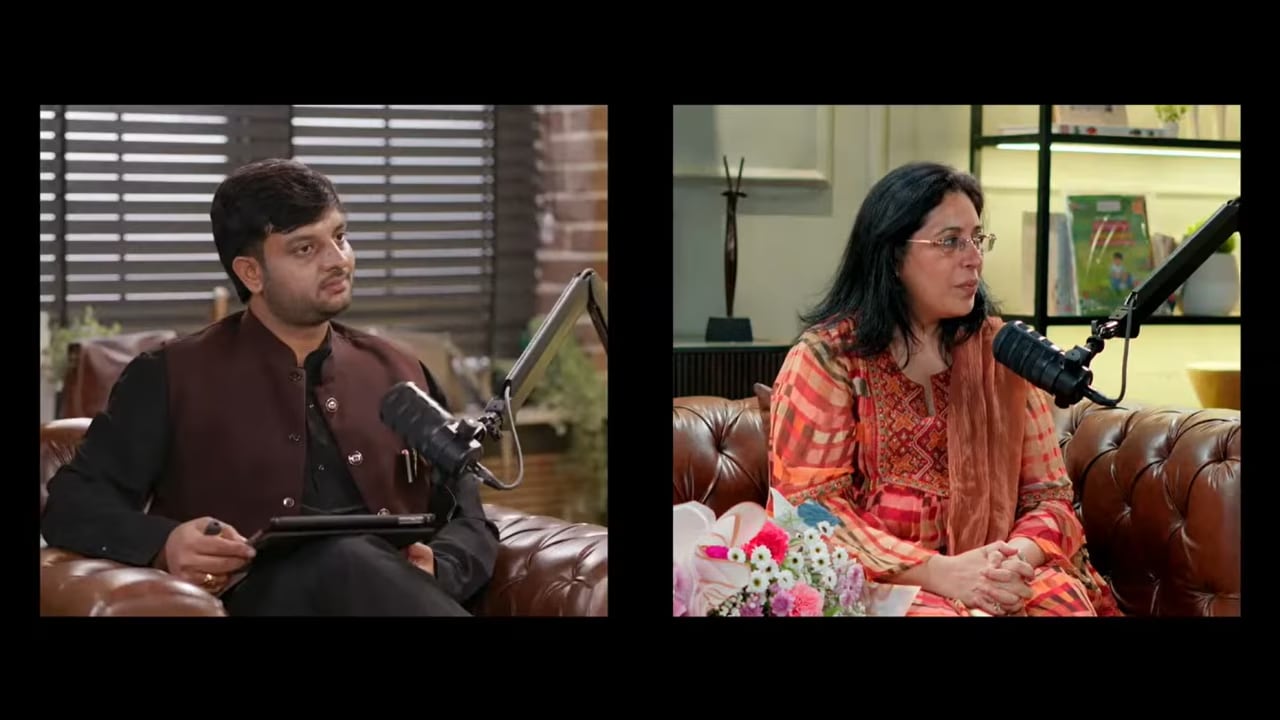
Dr. Gupta: explained how schools can integrate a daily one-hour sports period into the morning schedule to make space for extracurriculars.
Mrs. Jerath: advised teachers to use a brief "connect before you correct" approach to engage students personally.
Dr. Bali: to combat excessive social media use, she suggested inviting experts to speak about the dangers of digital validation, enforcing school firewalls, and encouraging physical activities.
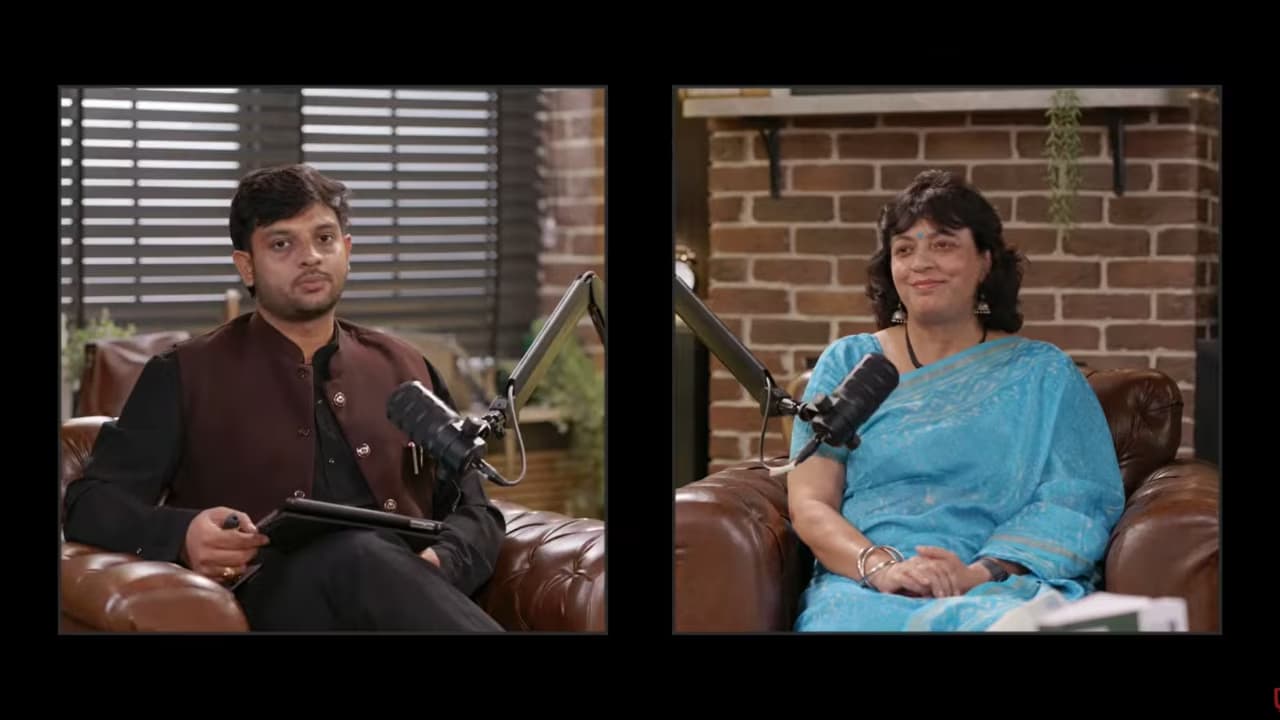
To handle parental pressure for grades, the panellists collectively recommended regular parent engagement, celebrating non-academic achievements at school awards ceremonies, and collaboratively setting SMART goals for students alongside their parents.
Conclusion
The principals signed off with heartfelt closing messages, urging teachers to be kind to children, believe in their power to shape eternity as educators, and remain mindful that their words carry immense weight.
Nishant Singh Lakra concluded the session by thanking the panellists for their valuable participation and for sharing deep, insightful perspectives on value education. Reflecting on the success of the webinar, he added:
"The energy and engagement from teachers across the country were truly inspiring. It reaffirms our belief that India's educators are eager for meaningful conversations that go beyond syllabus completion. Educart will continue to build platforms that bring real classroom wisdom, expert mentorship, and value-driven learning to teachers everywhere."