
400+ Educators Reimagine Teaching at Kanpur Educators Meet with Shivani Gupta!
Kanpur, October 5, 2025 - In an inspiring display of collaboration and innovation, more than 400 educators gathered under one roof for the Kanpur Educators Meet 2025, a landmark professional development event organized by Educart. The three-hour workshop, held on Sunday, brought together teachers from diverse schools across Kanpur for an immersive learning experience focused on Student Engagement Strategies for Active Learning and Ensuring Impactful Parent-Teacher Meetings (PTMs).
The workshop was led by Ms. Shivani Gupta, a seasoned CBSE Resource Person and Master Trainer, and coordinated by Mr. Nishant Lakra. Together, they transformed a routine training session into an engaging, reflective, and deeply practical dialogue about the changing face of modern education.
The event opened with an atmosphere of enthusiasm as educators filled the hall, eager to learn new ways to make their classrooms more alive and their parent interactions more effective. Ms. Gupta began the session by emphasizing that teaching today is not about control, but about connection. "True engagement happens when students stop learning for exams and start learning for life," she said, setting the tone for the day.
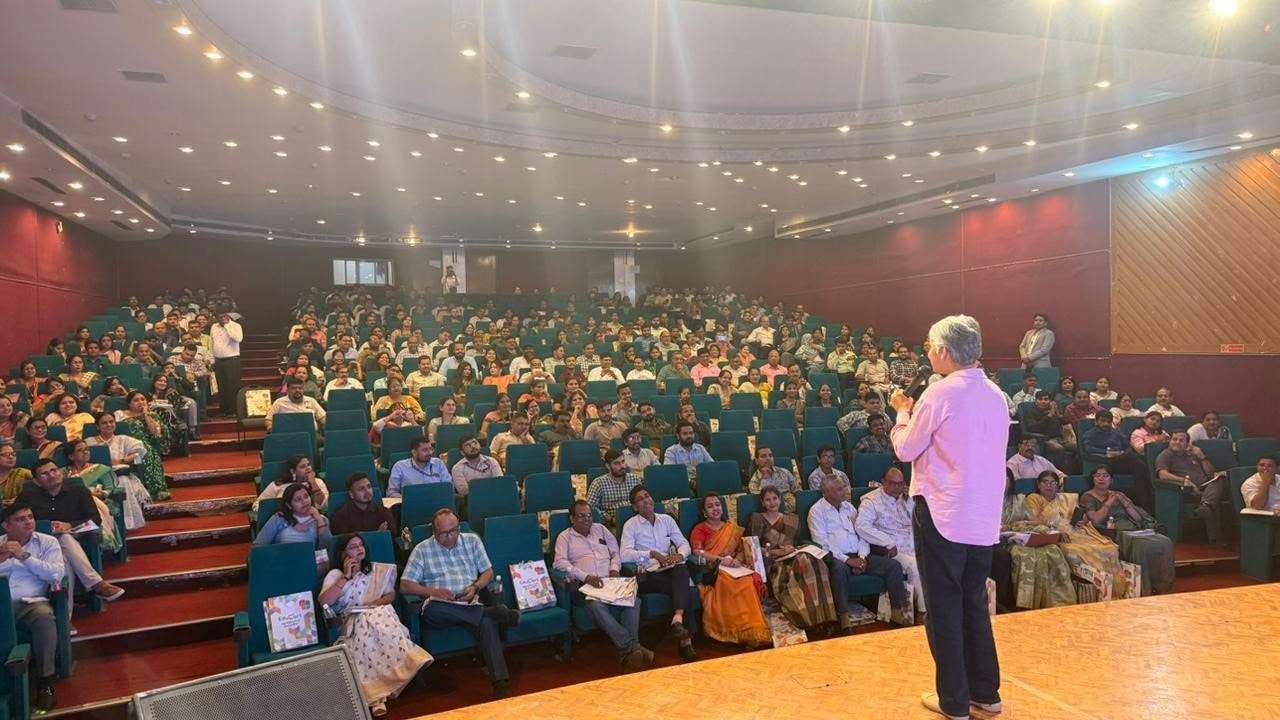
Teachers were introduced to the idea that student engagement goes beyond participation, it's about fostering curiosity, responsibility, and emotional connection. Through real classroom examples, Ms. Gupta demonstrated how active learning can turn a silent classroom into a space buzzing with ideas, questions, and energy.
One of the key highlights of the workshop was the exploration of The Learning Pyramid, a visual framework that illustrates how students retain knowledge more effectively when they discuss, practice, and teach rather than merely listen and memorize. Ms. Gupta guided teachers through interactive activities, encouraging them to reflect on their current teaching practices and identify small, meaningful changes that could yield powerful results.
She introduced SMART strategies - simple, measurable, achievable, relevant, and time-bound techniques - that teachers could immediately apply in their classrooms. These included incorporating peer learning, using real-world problem-solving, and designing lessons that encourage student collaboration rather than passive note-taking.
Participants found this part of the session particularly energizing. Teachers shared how these strategies could help make even the most challenging subjects engaging for students. "I realized that I don't have to add more content; I just need to change how I deliver it," one participant shared during the open discussion, capturing the spirit of the session.
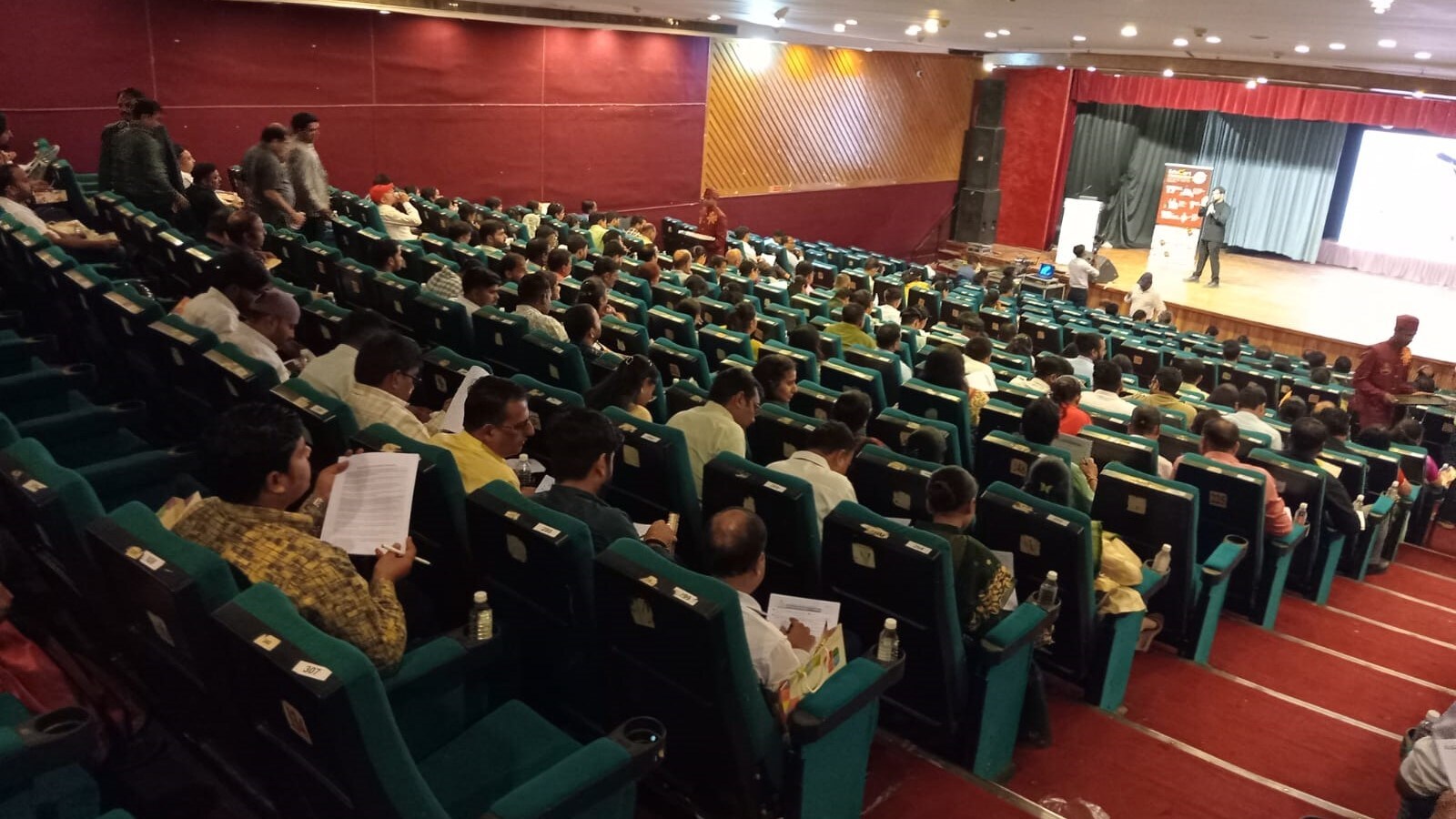
The second segment of the workshop shifted focus to another critical area of school life: Parent-Teacher Meetings. For many educators, PTMs can be daunting, filled with tension and difficult conversations. Ms. Gupta, drawing from her vast experience, reframed PTMs as opportunities for collaboration rather than sessions of judgment.
Through her discussion on The SLP Communication Model (Speak, Listen, and Propose), she broke down how teachers can approach parents with empathy, active listening, and constructive suggestions. Instead of simply reporting grades or issues, teachers learned how to communicate student progress in ways that inspire cooperation.
Ms. Gupta shared live scenarios - how to handle defensive parents, how to share sensitive feedback, and how to celebrate small student achievements meaningfully. Her advice to the audience was simple yet profound: "When parents and teachers communicate as allies, the child feels supported from every side. That's when true education happens."
Teachers were encouraged to prepare for PTMs by focusing not only on academic data but also on emotional and behavioral insights. This shift, Ms. Gupta explained, helps parents see teachers as partners in their child's growth rather than critics.
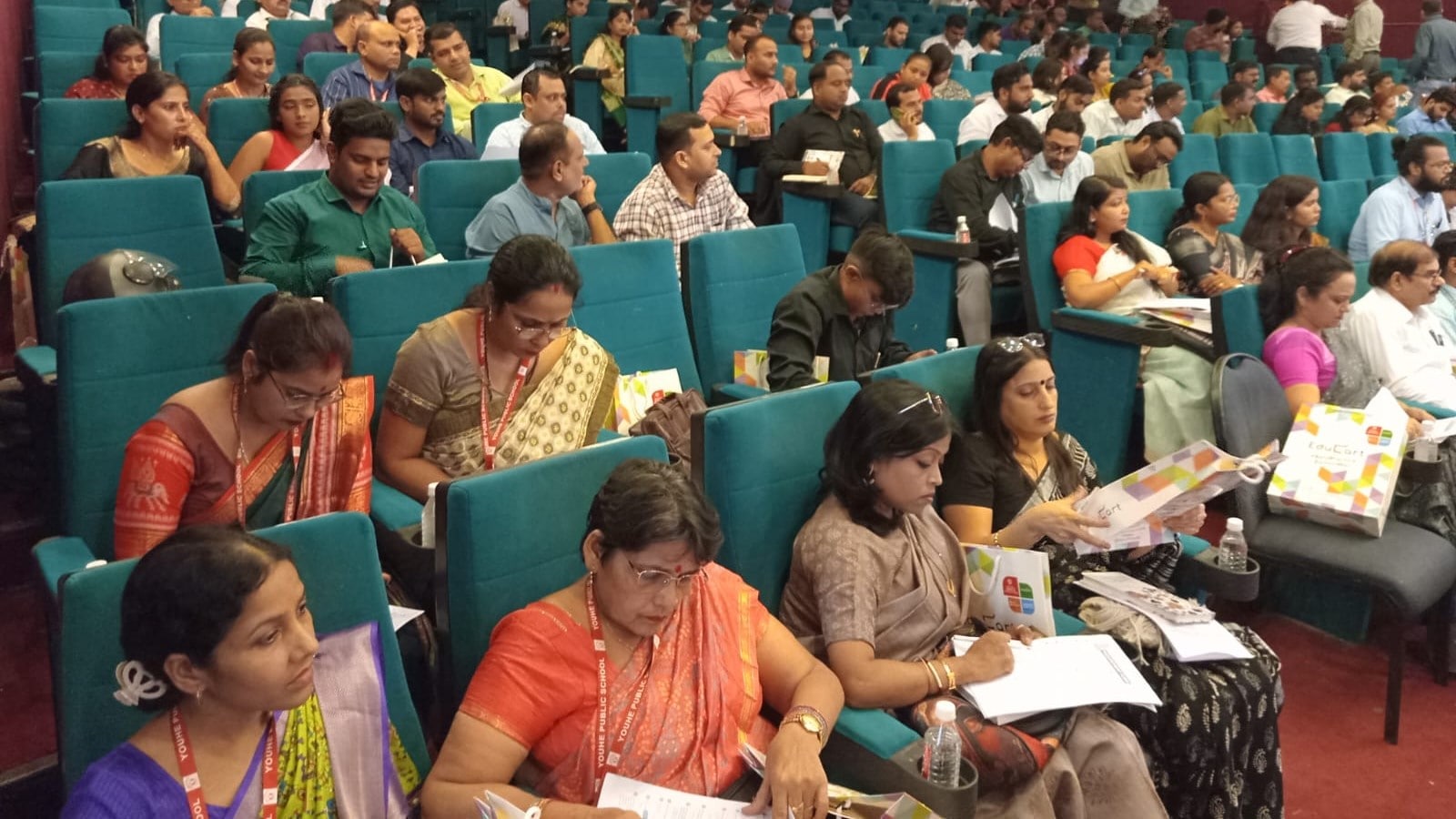
What made the Kanpur Educators Meet 2025 exceptional was its deep sense of community and reflection. Far from being a lecture-based seminar, it evolved into a collaborative exchange of ideas, where teachers openly discussed the real challenges they face in balancing engagement, curriculum goals, and communication.
Interactive activities allowed teachers to share their classroom experiences - what works, what doesn't, and what needs to change. The hall was filled with moments of laughter, recognition, and inspiration as participants realized how universal many of their challenges are.
As the session drew to a close, several educators expressed gratitude for the workshop's practicality and emotional depth. "This was more than training - it was a reminder of why we teach," said one senior teacher, echoing the sentiment of many in attendance.
Educart's Continuing Mission to Empower Educators
The Kanpur Educators Meet 2025 was part of Educart's expanding series of Continuing Professional Development (CPD) initiatives designed to strengthen India's teaching community. By organizing workshops that combine theory with practice, Educart continues to bridge the gap between classroom realities and modern pedagogical frameworks.
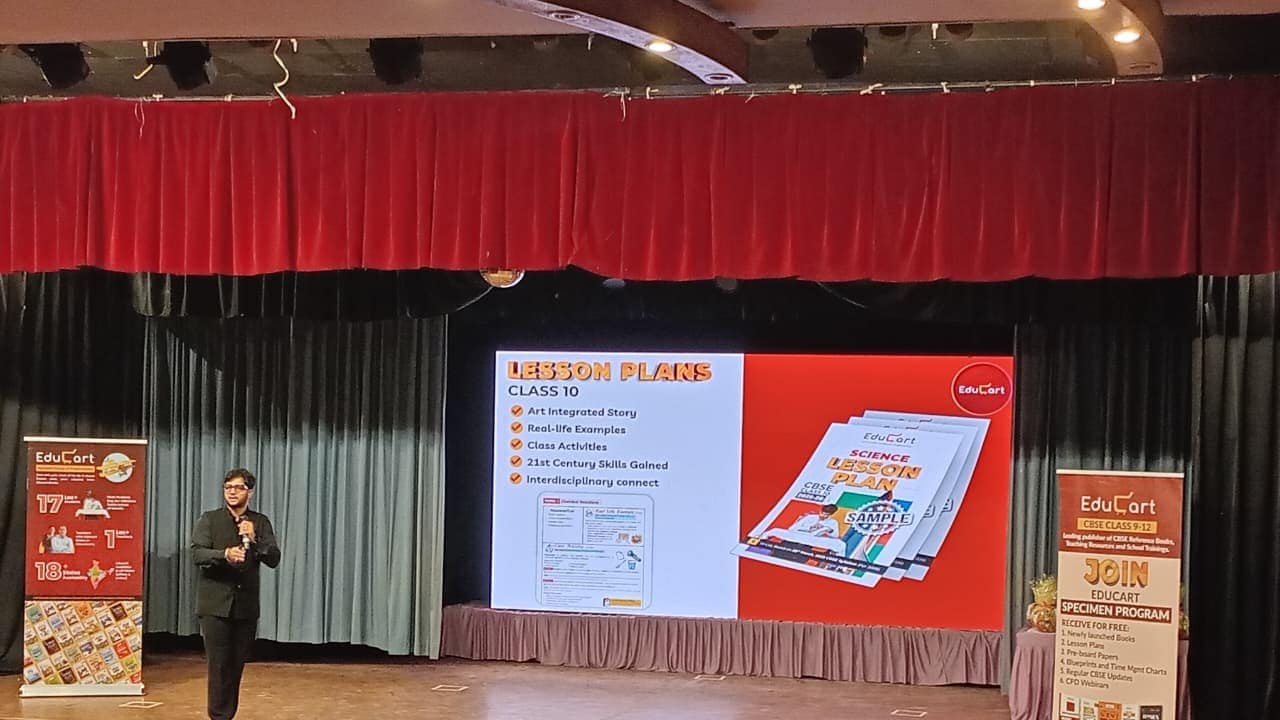
Through such sessions, Educart reinforces its belief that education reform begins not in policy rooms, but in classrooms, through teachers who feel informed, supported, and inspired. The company's consistent focus on topics like inclusive education, ethics, mental well-being, and student engagement reflects its broader vision of creating a holistic learning environment across India.
As the workshop concluded, the energy in the hall remained palpable. Teachers left not only with notebooks full of strategies but with renewed purpose to create classrooms that are more alive, empathetic, and inclusive.
The day's message was clear: student engagement and parental collaboration are not extra efforts, they are the heart of impactful teaching. With workshops like these, Educart continues to lead India's education community toward a more interactive, compassionate, and future-ready model of learning.