
How To Effectively Manage Time In Board Exams: Strategies and Tips
As the CBSE Class 10 board exam 2024-25 is just a few months away and half-yearly exams are already over in many schools, pressure is mounting on students to start seriously preparing for the board exams by managing their time with the most effective hands-on approach.
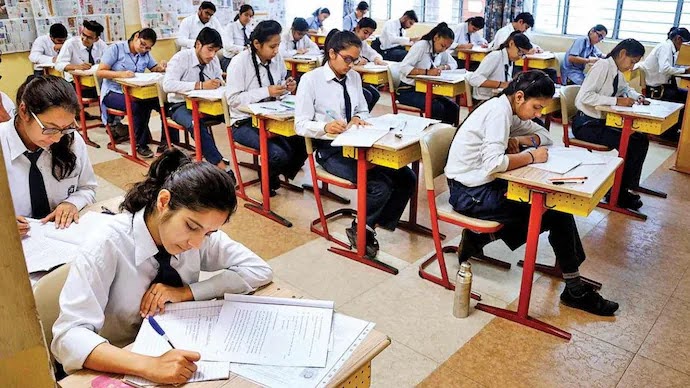
Board Exams have always been of the utmost significance in the Indian education system since the first education board, the Uttar Pradesh Board of High School and Intermediate Education, was set up in 1921. Over time, the system has evolved with the creation of prominent boards like the Central Board of Secondary Education (CBSE) and the Council for the Indian School Certificate Examinations (CISCE), as well as through various reforms in the National Policy on Education (NPE).
Despite these changes, the significance of board exam marks has remained constant. The board exam grade card holds the utmost importance in shaping the direction of the student's academia, leading to future career choices. Therefore, it becomes crucial for students to approach these exams with the seriousness they demand.
Schools have already covered half of the board exam syllabus, and they will try to finish the remaining syllabus before December as they have to relieve the students from regular classes to give them preparatory leave before the pre-board exams, which are most likely conducted in January.
Strategies And Time Management Tips For Board Exams
The importance of time in the board exams can't be neglected. With only a few months in hand and a vast syllabus to cover, effective time management becomes crucial. In the examination hall, as the clock ticks away, students often find themselves rushing through questions, struggling to complete their papers, or leaving answers unfinished. The pressure of the moment can make time feel like your greatest enemy, but with the right strategies, you can make it turn in your favour.
Also, CBSE has changed its exam pattern for 2024-25. According to the latest pattern, the weightage for competency-based questions, including multiple-choice questions (MCQs), has risen from 40% to 50%, accounting for 20% of the weightage. Conversely, the weightage for short-answer and long-answer questions has been decreased to 30%.
The best strategy for exam preparation is to practise as many questions as possible based on the latest exam pattern, which will help you with time management skills. For this, you can buy quality sample papers available in the market, like Educart Class 10 Sample Papers, which have competency-based questions as per the latest syllabus,
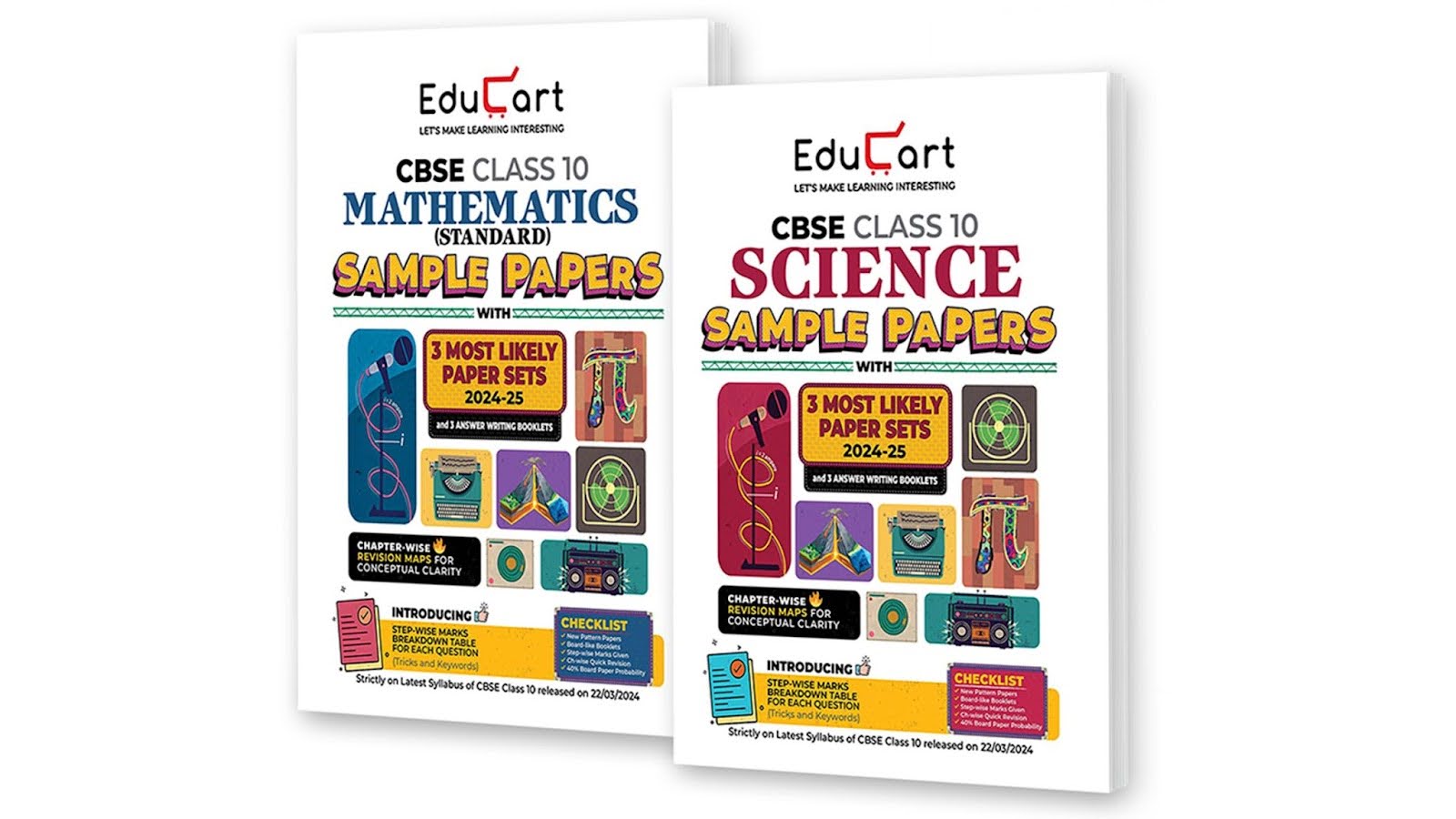
- This sample paper also comes with 3 mock Question Papers and answer booklets to simulate the actual exam experience.

- Revision Maps are also included in this newly launched book which will help in the quick revision.

The 15-minute Rule
Given that the CBSE Class 10 Board exam is three hours, and CBSE gives an extra 15 minutes for paper reading, you can use these mock sets and answer sheets as if sitting in an actual examination hall. Go through the question paper and circle the questions that you find challenging so that you can attempt them later after you are done with the easier ones.
Time Allocation for Each Section
Allocating time for each section is a smart way to attempt all the questions rather than spending too much time on one section and rushing through the rest. This will give you enough time to tackle all the questions and still leave you with ample time for revision. Here is how you can allocate time for each section:
| Questions | Time to allocate | Total time |
|---|---|---|
| Multiple Choice Questions (MCQs) | 1 min/ Qs | ~30 mins (depending on no. of Qs) |
| Assertion and Reasoning (A/R) | 2 min/ Qs | |
| Very Short Answer (VSA) | 2 min/ Qs | ~20 mins (depending on no. of Qs) |
| Short Answer (SA) | 5 min/ Qs | ~30 mins (depending on no. of Qs) |
| Long Answer (LA) | ~10 min/ Qs | ~40 mins (depending on no. of Qs) |
| Case-Based | ~10-12 min/ Qs | ~45 mins (depending on no. of Qs) |
| Revision | Remaining Time (depending on no. of Qs) | |
The "Two-Pass" Method
In your first pass, quickly go through the entire question paper and answer the questions you find easiest or are most confident about. This will help you secure those marks quickly. In the second pass, return to the more challenging questions. This way, you manage your time efficiently and avoid spending too much time on challenging questions initially, which can cause unnecessary stress.
Remember, the more you practise, the more efficiently you can learn to manage time and wade off stress. Try solving at least 10 sample papers for each subject. Analyse your mistakes, and don't forget to revise them before the exam.