
Ryan International School and Educart’s Collaboration for Workshop on Art Integration in the Classroom
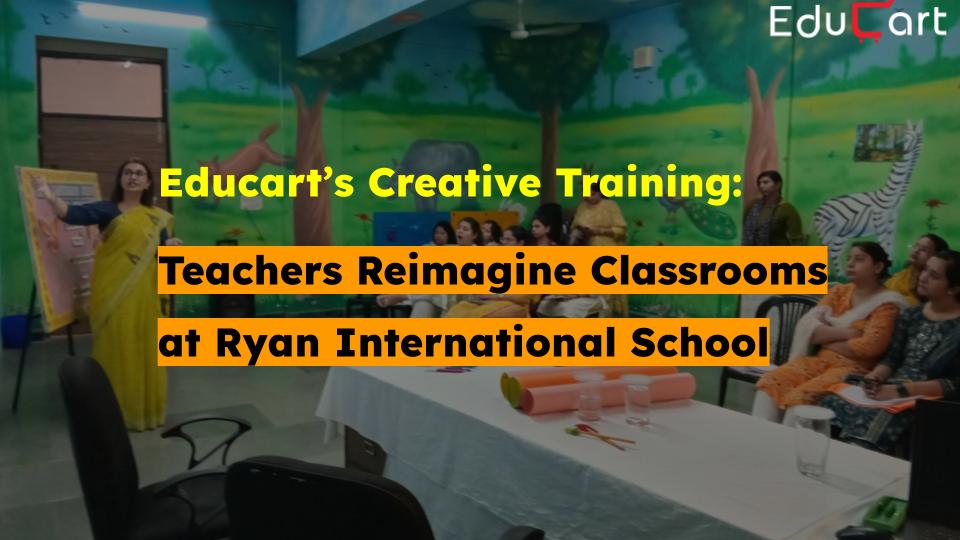
On June 26th, 2025 Ryan International School, Sector 40, Gurugram partnered with Educart to host an impactful teacher training workshop on Art Integration. The two-hour session, held on campus, was attended by 16 teachers from various departments and facilitated by Ms. Namreeta Kaur, a CBSE Resource Person with extensive experience in innovative pedagogical practices. The discussion was led and supported by Educart’s academic representative Ms. Akanksha.
This workshop was part of Educart’s continuing mission to help schools reimagine traditional teaching methods and embed creative, learner-centric practices into everyday classroom instruction.
The session titled “Unlocking Creativity: Art Integration in the Classroom” aimed to equip teachers with the skills and mindset to use visual and performing arts as essential teaching tools. Ms. Kaur began by differentiating between Art Education (teaching art as a subject) and Art Integration (using art as a medium to enhance core subject teaching).
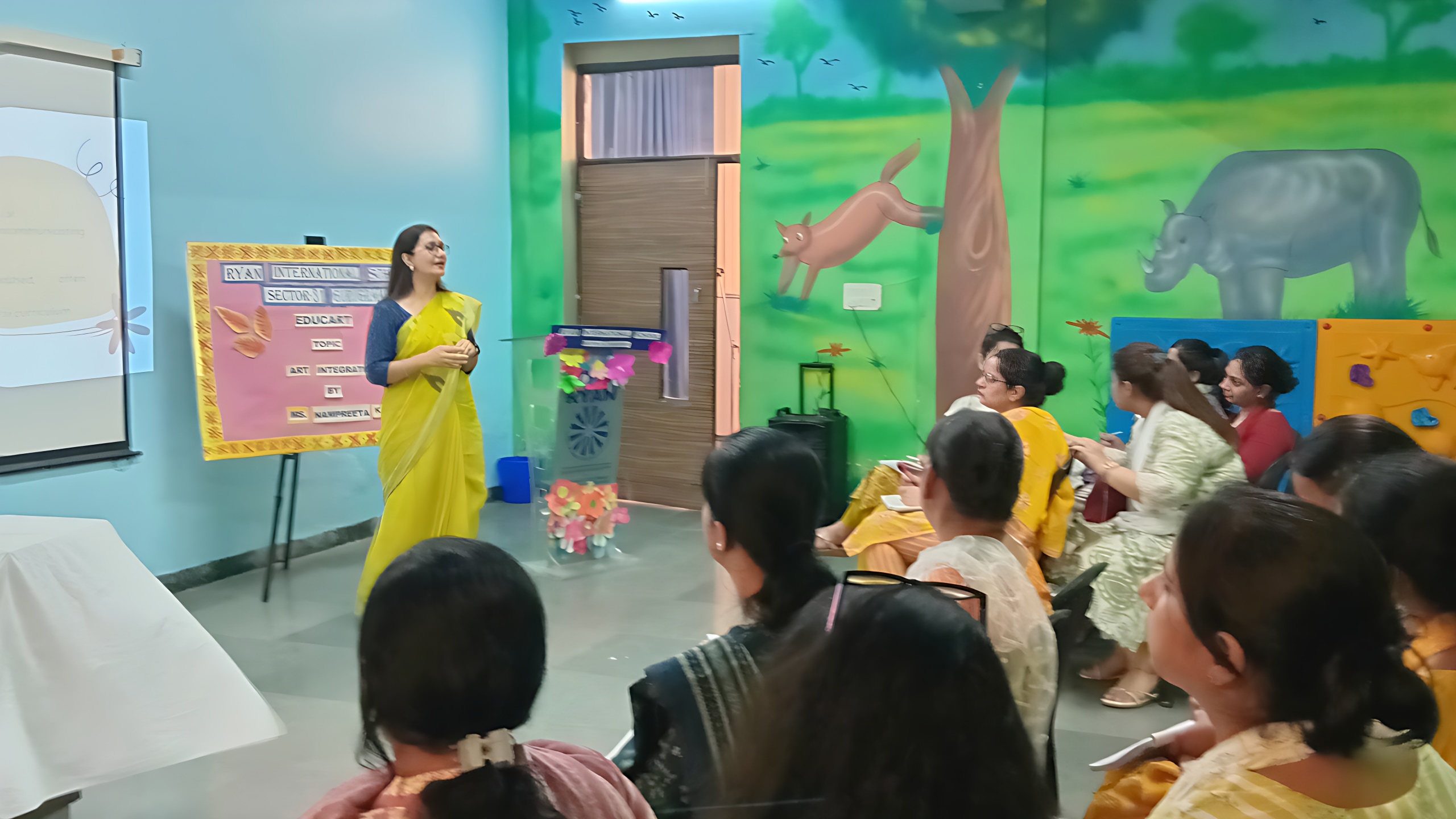
She emphasized that Art Integration isn’t just about adding color to lessons—it’s about turning abstract concepts into tangible experiences, thereby enhancing retention, creativity, and critical thinking.
The workshop featured a mix of theoretical insight and hands-on collaboration. Teachers were divided into small groups and asked to design art-integrated lesson plans around topics from subjects like English, Mathematics, Science, and Social Studies.
Some highlights included:
- Using poetry and visual art to discuss environmental issues.
- Teaching geometry through origami to explain shapes and spatial relationships.
- Re-enacting historical events as role-plays to build empathy and understanding.
- Creating collages or mind maps to summarize scientific processes.
These activities underscored how art can help simplify complex ideas and make learning more meaningful for diverse learners, including those with varied learning styles or special needs.
A key point of discussion was the role of experiential learning in art integration. Ms. Kaur suggested activities like organizing “bagless days” to take students on local excursions—visiting artisans, museums, or cultural landmarks—or inviting local artists to conduct workshops within the school. Such experiences not only promote interdisciplinary learning, but also help develop empathy, social awareness, and civic responsibility.
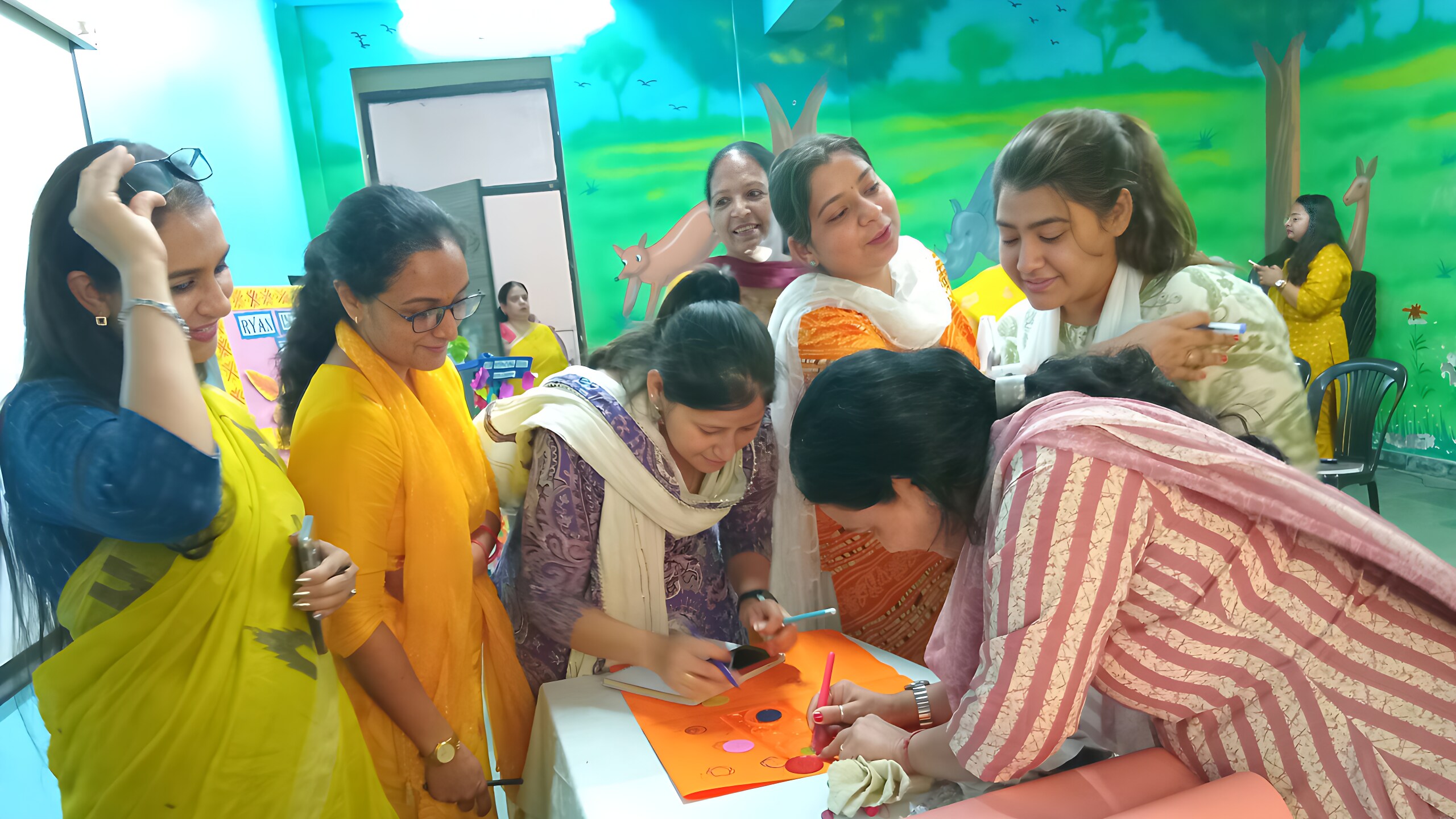
Another key takeaway was the potential of art to drive inclusivity. When students are given multiple ways to express themselves—through music, visuals, drama, or crafts—every learner finds a voice, especially those who may struggle with conventional rote-based systems.
The participating teachers found the session refreshing and insightful. Many shared that they now saw how small changes—such as introducing drawing, music, or storytelling into a traditional lesson—could transform student engagement.
“The workshop helped us understand that art is not an ‘extra’ but an integral part of learning,” said one of the teachers. “We’re excited to explore these ideas further in our classrooms.”
The school leadership also appreciated Educart’s efforts in delivering such relevant and hands-on training. They expressed interest in organizing similar sessions on competency-based education, digital tools in classrooms, and emotional intelligence for educators in the near future.
Towards NEP-Aligned Classrooms
As the National Education Policy 2020 encourages schools to adopt more flexible, interdisciplinary approaches to education, workshops like these serve as catalysts for real change. Educart’s focus on teacher empowerment, curriculum innovation, and 21st-century skills aligns closely with national goals.
This Art Integration workshop was not just about creativity—it was about transformation. It left educators with a renewed perspective on teaching, armed with tools to foster imagination, engagement, and meaningful learning.