
Shiksha Bharti Public School Partners with Educart for CPD Workshop on Classroom Management: Teachers Learn Easy, Effective Ways to Run Smooth Classrooms!
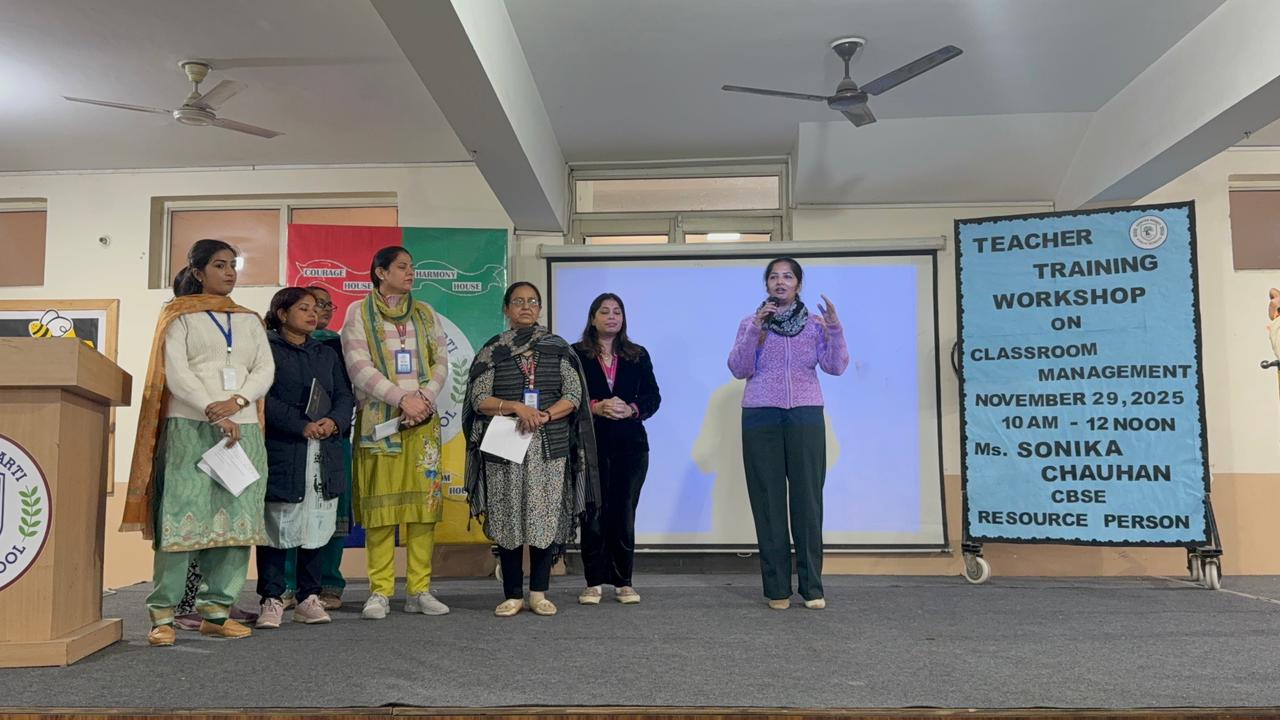
Gurugram, November 29, 2025 - Shiksha Bharti Public School, Gurugram, hosted a comprehensive CPD Teachers Training Workshop focused on "Classroom Management" in collaboration with Educart. The full-session free workshop saw participation from the entire teaching staff, reflecting the school's strong commitment to enhancing teaching effectiveness and creating better learning environments.
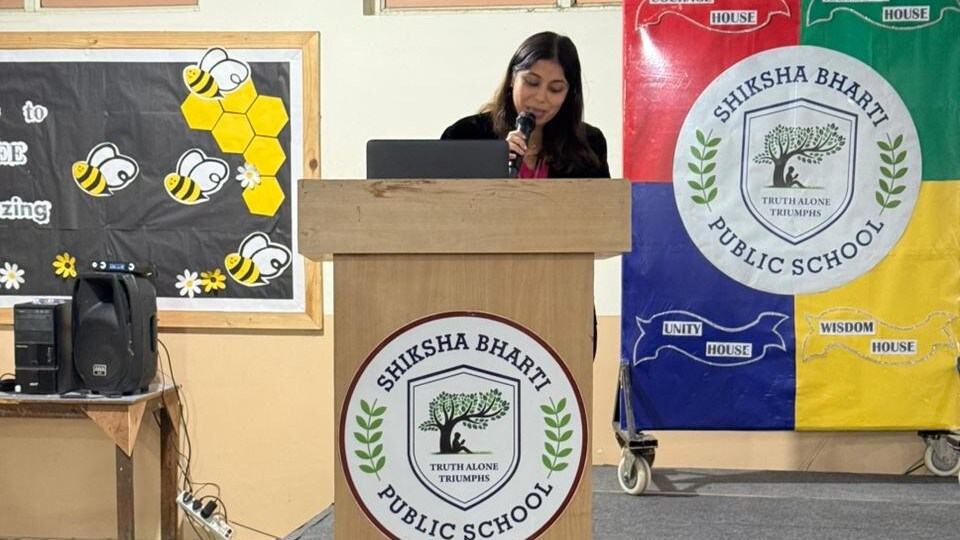
The workshop was expertly conducted by Dr. Sonika Chauhan, an experienced CBSE Resource Person known for her expertise in teacher training and effective classroom practices. The event was coordinated by Business Development Manager Deepam, ensuring smooth execution and maximum engagement for all participating educators.
Why Classroom Management Actually Matters?
Dr. Chauhan opened the session with a fundamental question that many teachers take for granted: Why manage classrooms in the first place? This simple question led to an important discussion that reframed how teachers think about their role.
Many teachers think classroom management is just about keeping students disciplined and quiet. The goal seems to be controlling behavior, maintaining order, and preventing disruptions. But Dr. Chauhan explained it's much more than that.

She emphasized that good classroom management serves multiple purposes. It creates safety where students feel secure enough to take intellectual risks and ask questions. It builds respect where everyone's voice matters and differences are valued. It maximizes learning time by reducing disruptions and keeping everyone focused. It supports emotional well-being by creating predictable, stable environments. And it develops life skills like self-regulation, responsibility, and cooperation that students need beyond school.
When teachers understand that management is fundamentally about creating optimal learning conditions rather than just maintaining discipline, their entire approach shifts. The question becomes not "How do I control students?" but "How do I create a space where everyone can learn effectively?"
This reframing resonated strongly with participating teachers, many of whom admitted they had been thinking about classroom management primarily as a discipline issue rather than a foundational teaching skill.
Setting Clear Rules and Expectations from Day One!
Dr. Chauhan emphasized the critical importance of establishing clear rules and expectations right from the beginning of the school year. She explained that effective rule-setting involves several key elements.
- First, rules should be clear and specific rather than vague. "Be respectful" is too general. "Listen when others are speaking and raise your hand before talking" is specific and actionable. Students need to know exactly what behavior looks like in practice.
- Second, rules should be limited in number. Too many rules become overwhelming and impossible to remember or enforce consistently. Dr. Chauhan suggested focusing on a few essential expectations that cover the most important aspects of classroom behavior.
- Third, rules should be communicated explicitly and repeatedly. Teachers can't assume students automatically understand expectations. Especially at the beginning of the year, teachers need to explain rules clearly, discuss why they matter, model what following them looks like, and remind students regularly until expectations become routine.
- Fourth, consequences for breaking rules should be clear, fair, and consistently applied. When students know exactly what will happen if they break a rule, and when consequences are applied consistently regardless of who the student is, they learn to take rules seriously.
Dr. Chauhan also emphasized involving students in creating classroom rules when appropriate. When students have input into expectations, they feel more ownership and are more likely to follow them. This doesn't mean everything is up for negotiation, but involving students in discussions about what kind of classroom environment they want can increase buy-in.
She shared practical strategies for the first day and first week of school, when establishing expectations is most crucial. This includes explicitly teaching routines like how to enter the classroom, where to put materials, how to get teacher attention, and what to do when work is finished. Taking time to establish these routines early saves enormous time and energy throughout the year.
Getting Students Actively Involved in Learning
A major focus of the workshop was shifting from traditional passive learning models to more engaging, active approaches. Dr. Chauhan explained that modern students, who have grown up with interactive technology and constant stimulation, struggle more than previous generations with sitting quietly and listening to lectures for extended periods.
She clarified that this isn't about students being "worse" than they used to be. It's about recognizing that engagement strategies need to evolve with changing times and student needs. Research consistently shows that active learning produces better outcomes than passive listening anyway, regardless of generation.
Dr. Chauhan outlined what active involvement actually looks like in practice. It includes interactive discussions where students share ideas and respond to each other, not just to the teacher. It involves hands-on activities and experiments where students learn by doing rather than just hearing. It includes collaborative group work where students solve problems together. It uses real-world applications that help students see relevance in what they're learning. And it incorporates choices that let students have some control over their learning process.
The session included specific techniques teachers can use to increase engagement. There are quick formative assessments like exit tickets or polls that keep students active and give teachers feedback. Movement-based activities get students physically moving while learning. Strategic questioning techniques ensure all students are thinking, not just the ones who raise hands. And technology integration uses tools students are familiar with to enhance learning.
Covering content isn't the same as students learning content, and active engagement helps ensure real learning happens. Teachers found these strategies immediately applicable. Several mentioned specific activities they planned to try in their own classrooms based on the workshop's suggestions.
Being Proactive Rather Than Reactive
One of the most valuable shifts Dr. Chauhan advocated was moving from reactive to proactive classroom management. Many teachers spend enormous energy responding to problems after they occur, constantly putting out fires and dealing with disruptions. This is exhausting and ineffective.
Dr. Chauhan used a simple analogy: "Being proactive is like checking the weather before you leave home and bringing an umbrella if rain is predicted. Being reactive is like getting soaked and then complaining about the rain. Which approach makes more sense?"
Teachers responded enthusiastically to this section. Many admitted they spend most of their energy reacting to problems and had never really thought systematically about prevention. The practical strategies gave them concrete ways to shift their approach.
Building Teacher-Student Relationships That Changes Behavior
Dr. Chauhan highlighted that strong teacher student relationships greatly reduce behavior issues. Students behave better when they feel respected and known. Building relationships isn’t about being a friend; it’s about mutual respect.
Problem-Solving Approach: Understanding Instead of Just Punishing
Dr. Chauhan encouraged shifting from punishment to understanding why behavior occurs so the real cause can be addressed.
- First: Identify the reason behind the behavior instead of reacting to it.
- Second: Talk with students and listen to their perspective.
- Third: Work with students to create solutions they can follow.
- Fourth: Teach missing skills like emotional regulation or cooperation.
- Fifth: Provide structured support systems for students who need extra help.
Practical Strategies Teachers Can Use “Immediately”
Dr. Chauhan shared simple techniques teachers can apply right away.
- First: Start class positively with greetings, routines, and quick engaging openers.
- Second: Keep lessons engaging with varied activities, movement, and frequent checks for understanding.
- Third: Use clear, predictable transition routines with warnings and timers.
- Fourth: Handle minor disruptions quietly with signals, proximity, or private reminders.
- Fifth: End class by reviewing key points and helping students prepare for the next transition.
The full-staff participation showed the school’s strong commitment to professional growth. Teachers actively engaged, shared experiences, and appreciated the practical, realistic strategies. Many felt they gained a new, proactive understanding of classroom management and left motivated to apply the ideas.

Educart's Commitment to Supporting Teachers
This workshop at Shiksha Bharti Public School reflects Educart's ongoing mission to support teachers through relevant, practical professional development. Classroom management is one of the most critical yet challenging aspects of teaching, and many teachers receive limited training in this area despite its fundamental importance.
By partnering with experienced CBSE Resource Persons like Dr. Sonika Chauhan and coordinating with schools through dedicated team members like BDM Deepam, Educart brings quality professional development directly to schools where entire teaching staffs can benefit.
The organization's approach focuses on practical, immediately applicable strategies rather than abstract theory. Teachers leave Educart workshops with specific techniques they can use right away, not just general principles that are difficult to implement.
Through these ongoing partnerships with schools across India, Educart helps create better learning environments where both teachers and students can thrive.
The Classroom Management workshop at Shiksha Bharti Public School became a powerful rethinking of how teachers can build classrooms where all students succeed. Dr. Sonika Chauhan helped teachers view management not as discipline, but as a core teaching skill that shapes learning conditions.
Teachers left with clear, practical strategies for setting expectations, engaging learners, preventing issues, building strong relationships, and solving problems rather than relying only on punishment. Most importantly, they gained renewed confidence in creating classrooms where students feel safe, respected, and ready to learn.
Strong classroom management benefits everyone: students learn more, teachers experience less stress, and schools run more smoothly. As India continues to improve educational quality, professional development in these essential skills remains vital. Educart’s efforts show its commitment to strengthening teachers in order to strengthen students.