
Managing Stress in Schools: Neha Bahuguna Leads Workshop to Empower Teachers at Modern Public School!
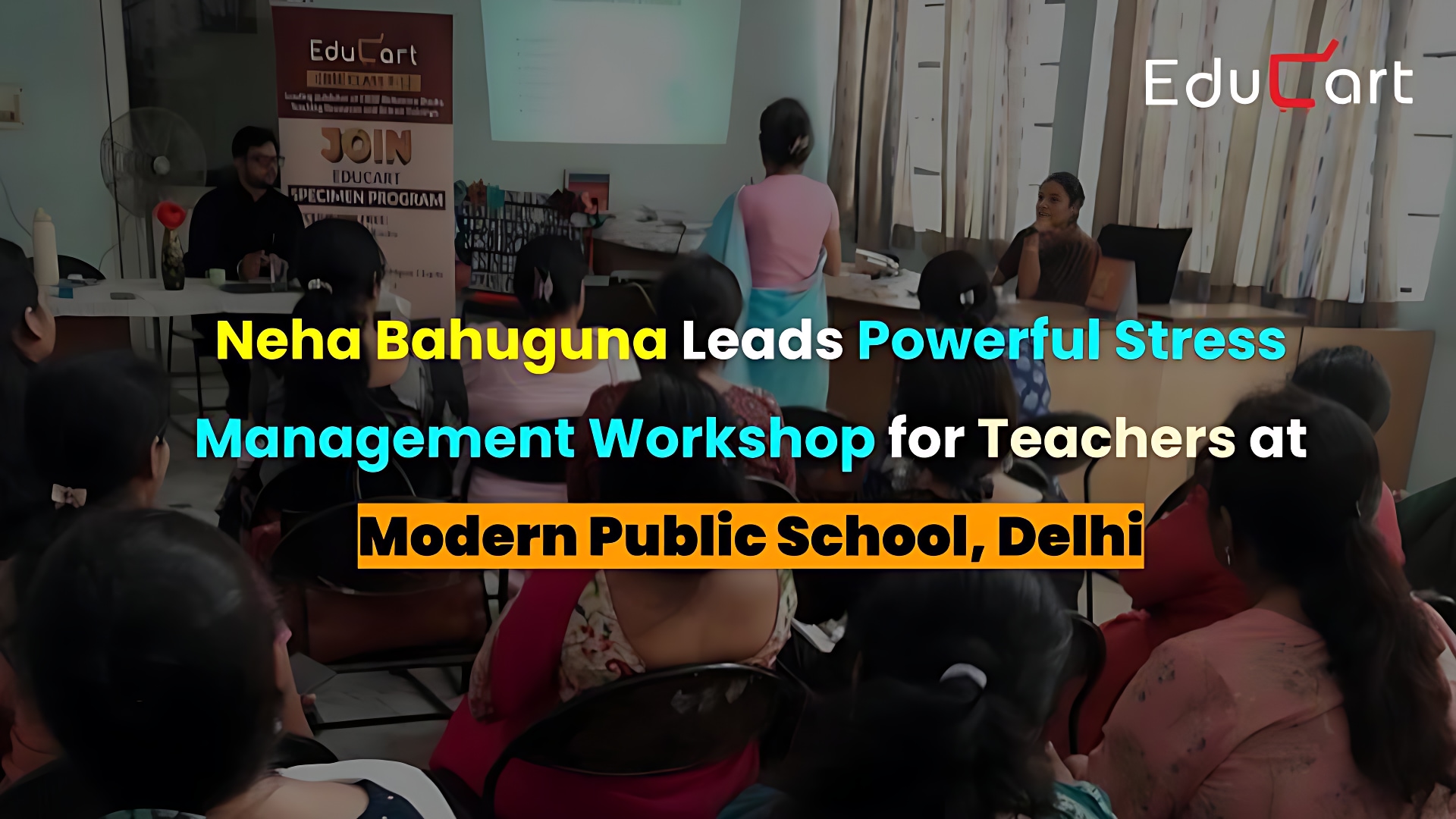
New Delhi, August 30, 2025: In a focused initiative to enhance teacher well-being and classroom effectiveness, Modern Public School, Rishabh Vihar, Delhi, hosted a two-hour free workshop on “Stress Management” for 25 educators. The session was conducted by Ms. Neha Bahuguna, CBSE Resource Person, with Mr. Nishant Singh Lakra serving as the discussion lead. The workshop aimed to equip teachers with practical tools to manage stress personally and professionally while fostering supportive and balanced learning environments for students.
The session began with a comprehensive overview of stress and its multifaceted impact. Educators explored different types of stress - academic, emotional, social, and situational and discussed how these pressures affect both teaching effectiveness and student learning outcomes. Participants reflected on real classroom scenarios, identifying sources of tension and examining how stress can subtly influence classroom behavior, decision-making, and interactions with students.
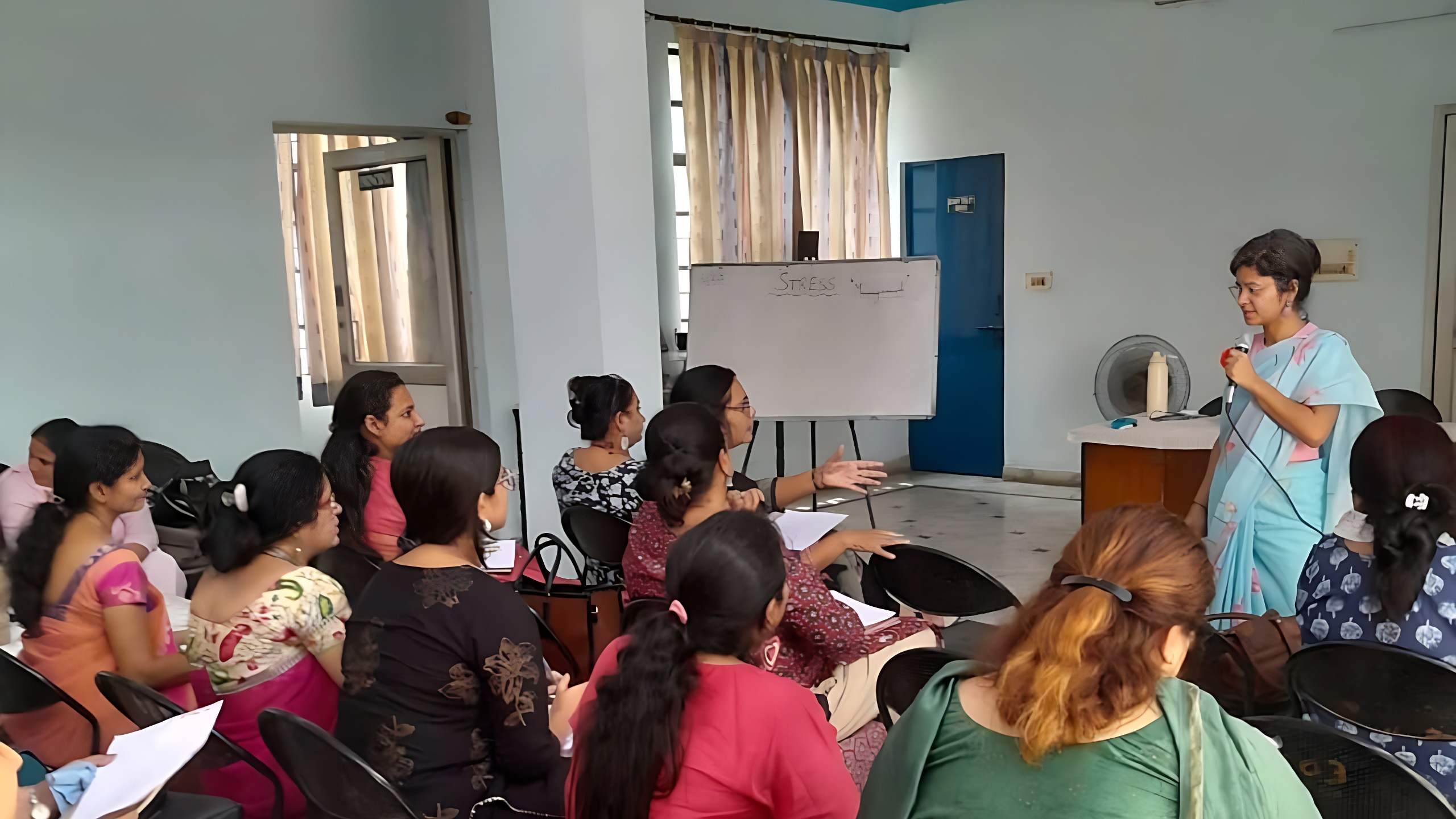
Through interactive activities, group discussions, and reflective exercises, teachers delved into practical techniques for coping with stress. Mindfulness exercises, breathing practices, structured time management, positive thinking approaches, and strategies for maintaining a healthy lifestyle were demonstrated, enabling participants to experience firsthand how these techniques can be applied in daily life. Emphasis was placed on how teachers’ personal stress management directly impacts students, as calm, empathetic, and balanced educators foster more effective learning environments.
Key Takeaways:
Identifying Stress: Teachers learned to recognize academic, emotional, social, and situational stress in themselves and their students.
Practical Coping Mechanisms: The workshop introduced mindfulness, breathing exercises, time management, positive thinking, and lifestyle balance to handle pressure effectively.
Student-Centered Classroom Practices: Participants discussed strategies to reduce classroom stress on students, including pacing of lessons, workload management, and flexible assessment approaches.
Empathetic Communication: Highlighted how strong student–teacher interactions, supportive feedback, and active listening can help mitigate stress and encourage resilience.
Interactive Learning: Role-play, scenario analysis, and reflection exercises connected theory with everyday teaching challenges, fostering actionable insights.
Building Resilience: Teachers were encouraged to model coping strategies, helping students develop emotional strength, self-awareness, and adaptability.
Ms. Neha Bahuguna highlighted the importance of stress awareness and proactive interventions:
“Managing stress is not only essential for teachers’ own well-being but also for creating classrooms where students feel safe, supported, and motivated to engage fully. By equipping educators with practical strategies, we empower them to model resilience and foster environments that promote holistic learning and emotional growth.”
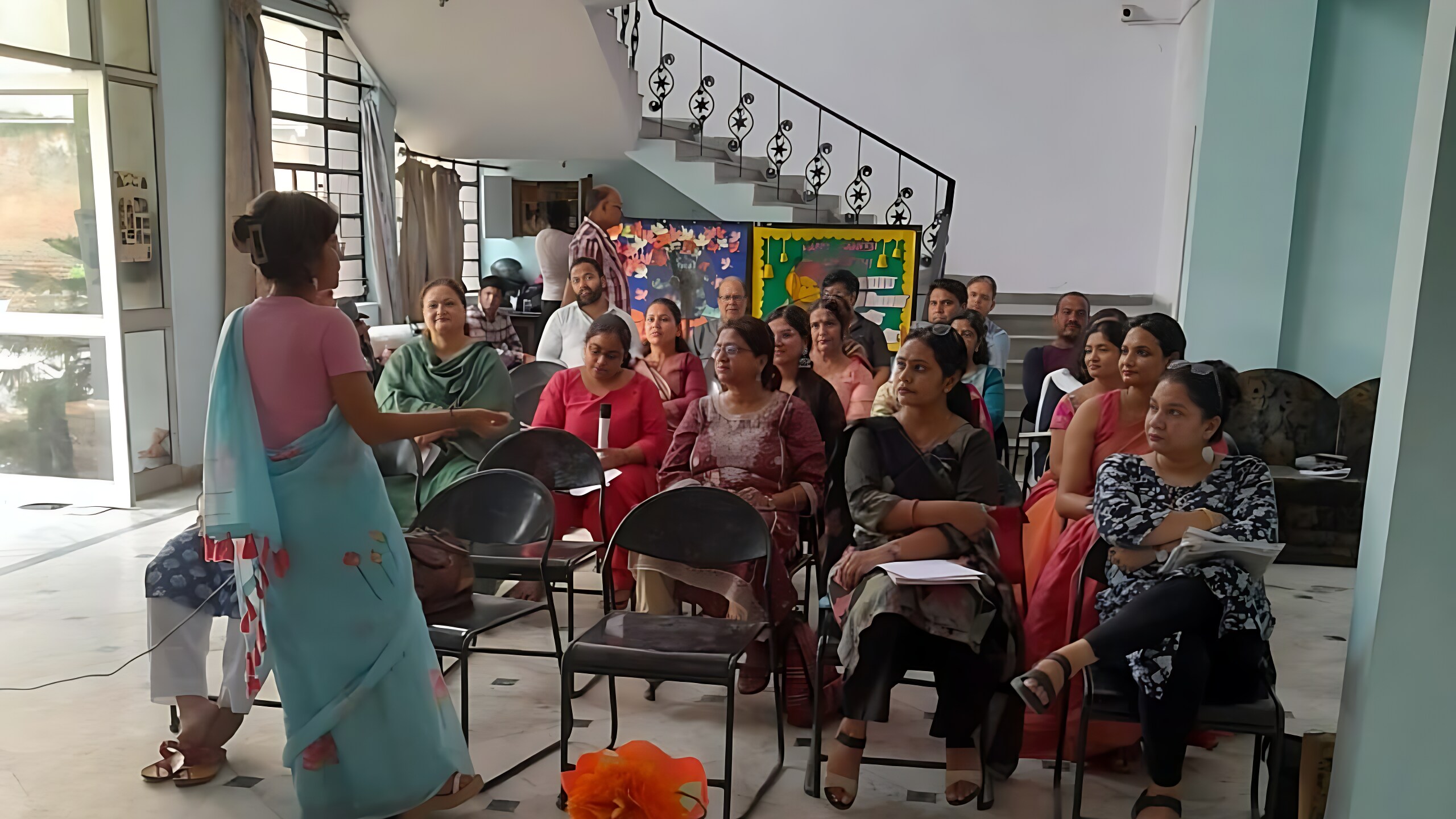
The workshop also emphasized long-term benefits, noting that when teachers actively manage stress and encourage positive coping strategies, students demonstrate improved focus, engagement, and academic performance. Participants reflected on how even small changes in communication style, classroom structure, and daily routines can significantly reduce tension and create a positive, inclusive atmosphere.
The session concluded with actionable takeaways, providing teachers with step-by-step strategies to integrate stress management practices into lesson planning, classroom interactions, and co-curricular activities. Educators expressed appreciation for the hands-on approach, noting that the workshop offered tools they could immediately implement to improve both personal well-being and classroom dynamics.
By hosting initiatives like this, Modern Public School, in collaboration with Educart, continues to underscore the critical link between teacher well-being and student success. Equipping educators with stress management techniques ensures classrooms are not only academically productive but also emotionally safe and supportive. Programs like these reaffirm the importance of nurturing teachers as well-rounded professionals, capable of creating learning environments where both teachers and students thrive.