
Teachers Master the Art of Writing Smart Questions with Ruchi Sengar!
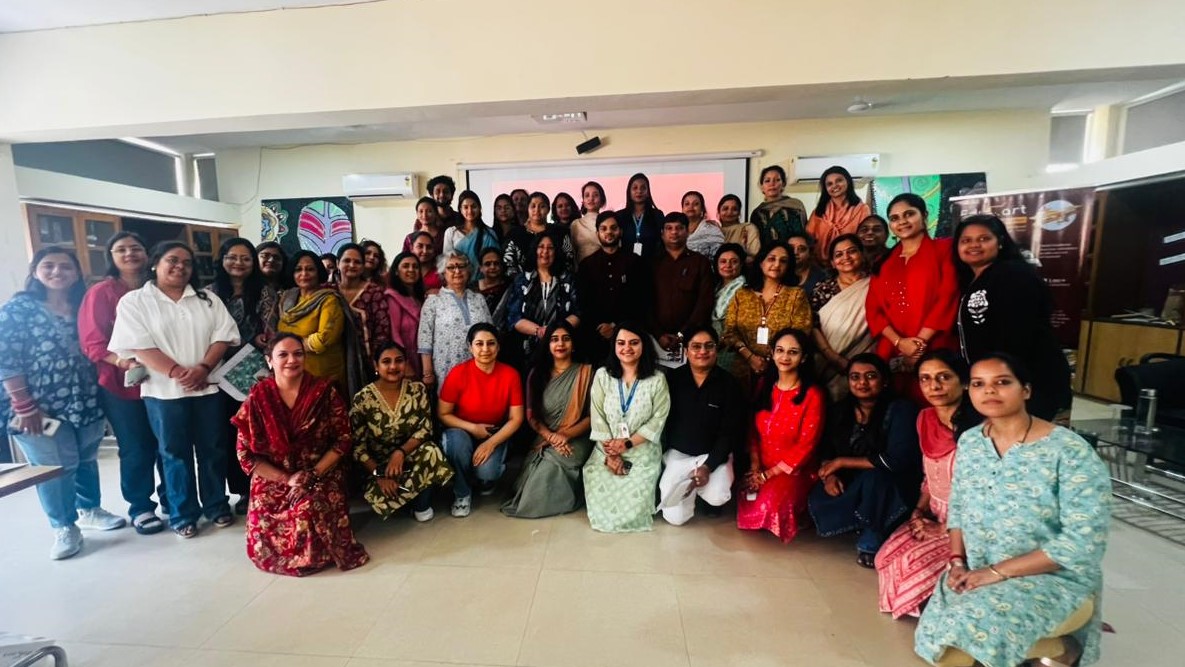
October 11, 2025 – In a significant step toward advancing pedagogical excellence, 60+ teachers gathered for an intensive CPD Workshop focused on mastering the craft of designing competency-based questions. The paid workshop, spanning 5 hours and 20 minutes, was led by Ms. Ruchi Sengar, Master Trainer and CBSE Resource Person, with discussions moderated by Mr. Nishant Lakra from Educart.
The session marked a crucial training initiative as schools nationwide transition from traditional rote-learning assessments to competency-based evaluation frameworks that test students' ability to think critically, solve problems, and apply knowledge in real-world contexts. The presence of Principal Ms. Richa Sharma and Director Principal Ms. Rachna Pant highlighted the institutional commitment to this pedagogical transformation.
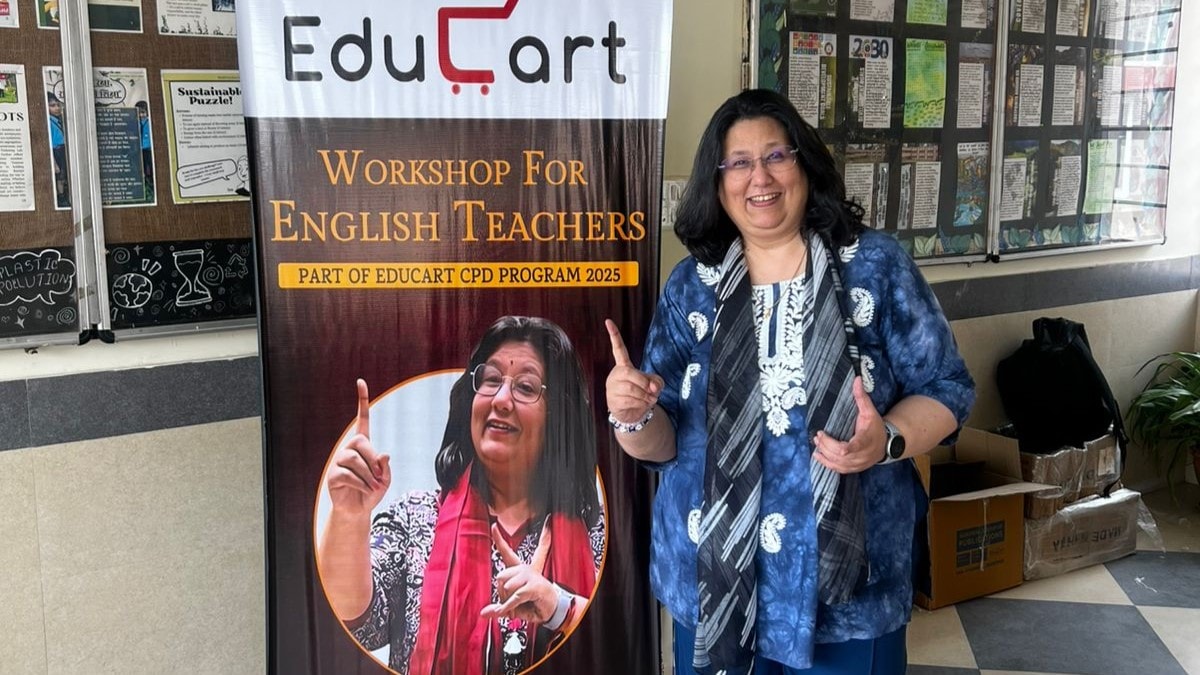
The workshop opened with Ms. Sengar addressing a fundamental shift happening in Indian education today. The traditional approach of testing whether students can memorize and recall information is giving way to assessments that reveal deeper understanding and practical application skills. "Questions should no longer just test whether students can remember facts," she explained. "They must reveal whether students can actually think, analyze, and use what they've learned in new situations."
This distinction represents more than a subtle change in question phrasing - it reflects a complete reimagining of what successful learning looks like. Competency-based questions challenge students to demonstrate understanding through application, analysis, and problem-solving rather than simple reproduction of memorized content.
Ms. Sengar emphasized that this shift aligns with CBSE's evolving standards and prepares students for a world where the ability to apply knowledge matters far more than the ability to store it. Teachers listened intently as she laid out the educational philosophy underpinning this transformation, setting the stage for the practical training that would follow.
Breaking Down the Question Design Process
Through a structured, step-by-step approach, Ms. Sengar demystified the process of creating competency-based questions. Rather than treating question design as an intuitive art that some teachers naturally possess, she presented it as a learnable skill with clear principles and techniques.
Teachers were shown real examples of effective and ineffective questions side by side. Ms. Sengar dissected each example, explaining precisely what made certain questions strong tools for assessment and what rendered others inadequate. She highlighted common pitfalls that even experienced educators fall into - questions that appear challenging but actually test only surface-level recall, or questions so ambiguously worded that they confuse rather than assess.
The session included detailed analysis of question structure, language clarity, cognitive demand levels, and alignment with learning objectives. Teachers learned to identify the difference between questions that prompt genuine thinking and those that simply require pattern recognition or memorization dressed up as application.
What made this segment particularly valuable was Ms. Sengar's demonstration of how to transform weak questions into powerful ones. Taking poorly designed questions as starting points, she walked teachers through the revision process, showing how small adjustments in wording, context, or task requirements could dramatically elevate a question's effectiveness. This practical demonstration gave teachers a clear roadmap for improving their own assessment practices.
Hands-On Practice with Expert Feedback
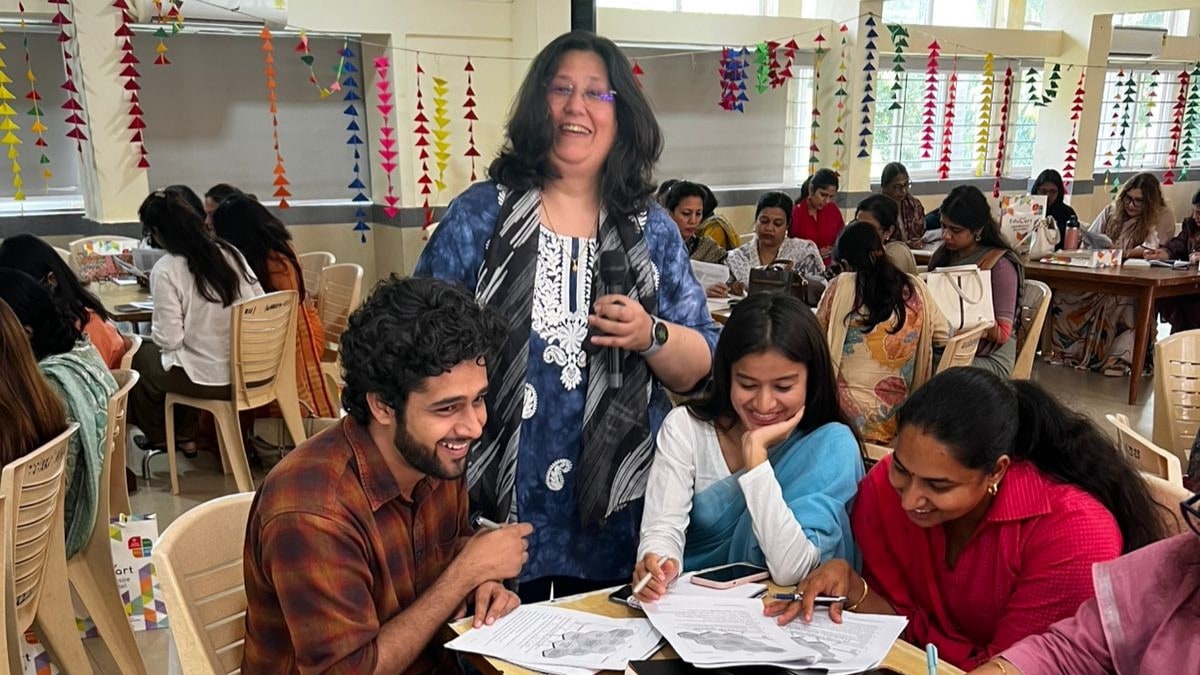
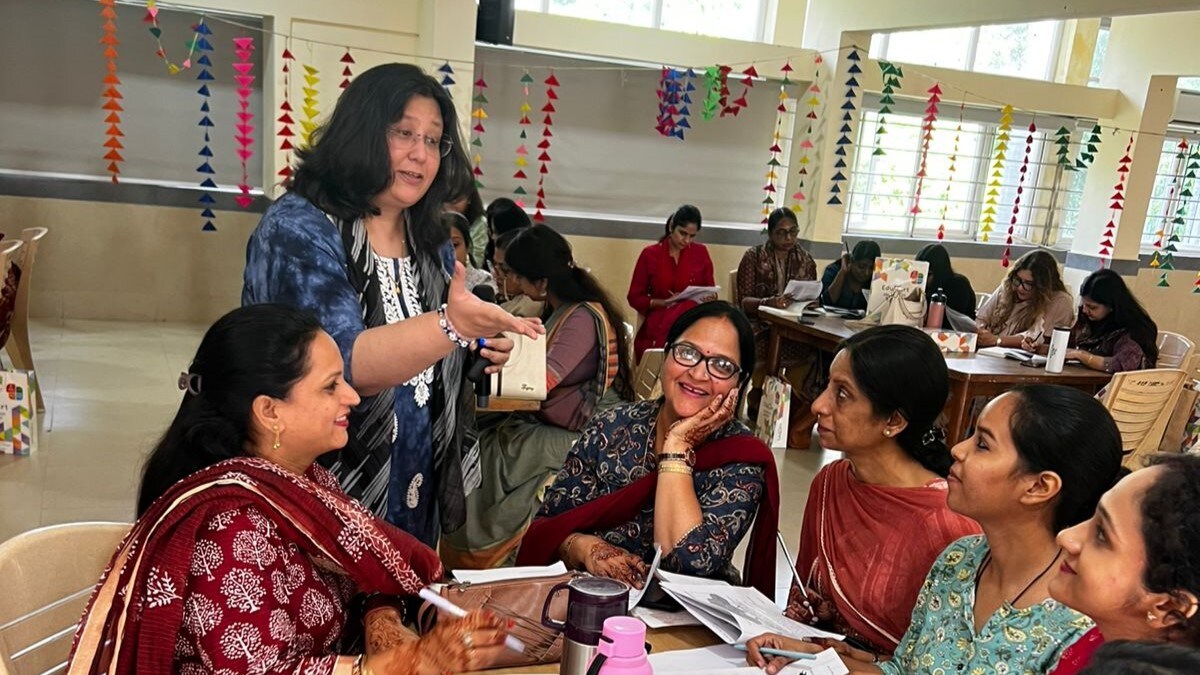
The most impactful segment came when teachers moved from observation to creation. Participants spent dedicated time crafting their own competency-based questions, applying the principles and techniques they had just learned. This wasn't a solitary exercise, teachers worked in an environment where they could immediately test their understanding and receive expert guidance.
The real-time feedback proved invaluable. Ms. Sengar and other experts in the room reviewed teachers' questions, offering specific suggestions for improvement and recognizing strong elements worth preserving. Teachers learned not only from their own attempts but from seeing how their colleagues approached the same challenge differently.
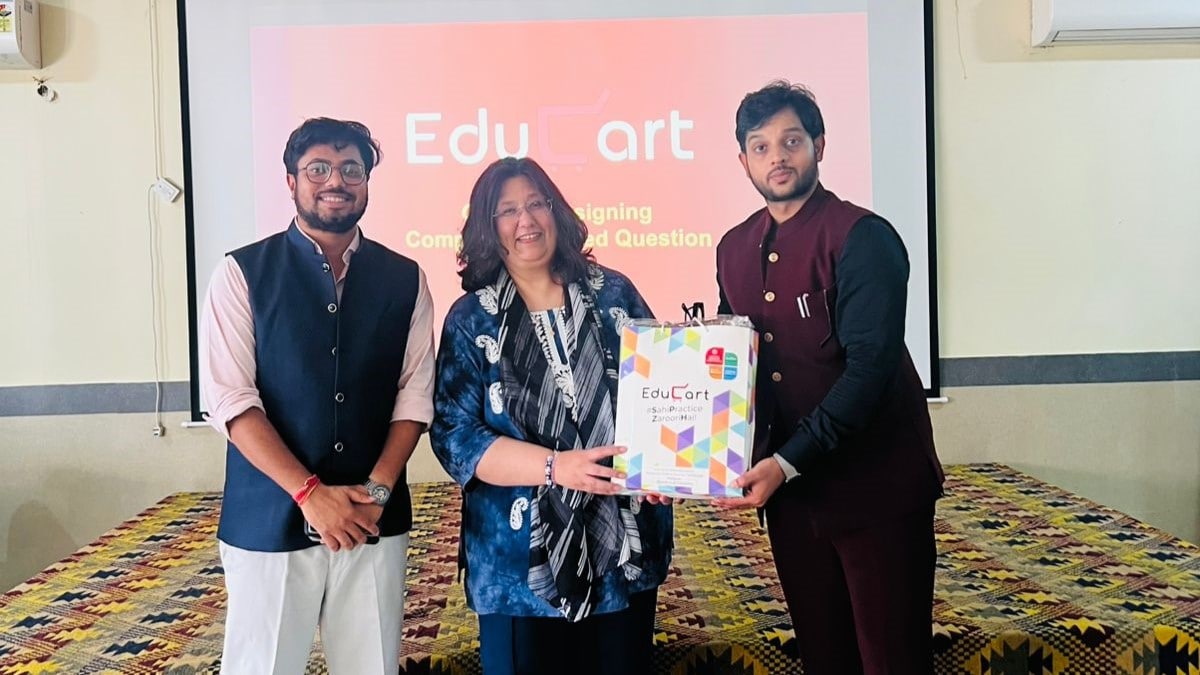
Mr. Nishant Lakra complemented the session by presenting insights from Educart's latest sample papers, which align with the new competency-based approach mandated by CBSE. This segment proved crucial in bridging the gap between workshop learning and classroom application.
Teachers examined how the principles discussed by Ms. Sengar manifested in actual sample papers that students would encounter. They analyzed question patterns, understood the distribution of competency levels across papers, and gained clarity on examination standards. This direct connection to real assessment materials helped teachers see the immediate relevance of their training.
Mr. Lakra's presentation also addressed common concerns teachers have about implementing competency-based assessment: questions about marking schemes, time management during exams, and ensuring fairness across diverse student populations. His practical insights grounded the workshop's theoretical framework in the realities of classroom teaching and examination administration.
Despite the workshop's considerable duration of over five hours, Ms. Sengar maintained high energy levels throughout the day. Recognizing that professional development becomes ineffective when participants are mentally exhausted, she interspersed intensive learning sessions with interactive activities and even dance sessions.
The breaks and activities also facilitated informal networking, allowing teachers to discuss challenges specific to their subjects or student populations and to form connections that would support ongoing professional growth beyond the workshop.
Building a New Foundation for Assessment Excellence!
Teachers left the workshop with a transformed perspective on assessment design. Many participants expressed that the workshop fundamentally changed how they think about their role as teachers. Assessment isn't merely about measuring what students know; it's about creating opportunities for students to demonstrate and further develop their thinking abilities.
The institutional support demonstrated by the presence of school leadership underscored that this wasn't merely individual professional development but part of a broader institutional commitment to educational excellence. As competency-based education becomes the new standard across Indian schools, workshops like these ensure teachers are equipped not just to adapt to change, but to lead it confidently.
The event concluded with teachers carrying home not just knowledge but practical tools, real examples, and renewed confidence in their ability to design assessments that truly serve student learning. In the evolving landscape of Indian education, such training represents an investment not just in teacher capability but in the quality of learning experiences for thousands of students who will benefit from more thoughtful, effective assessment practices.