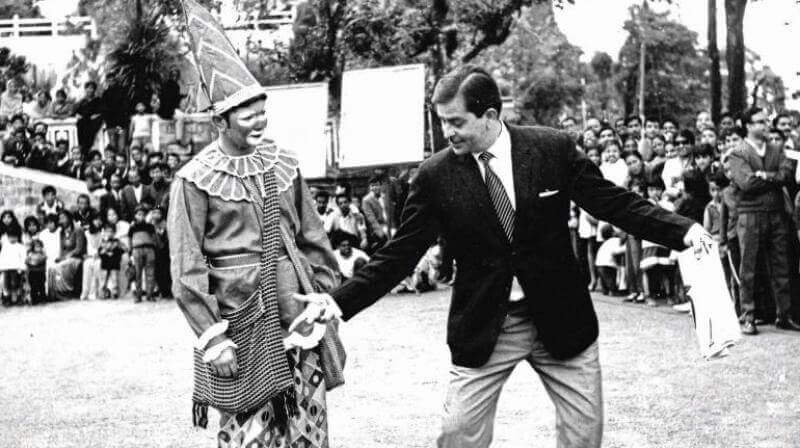
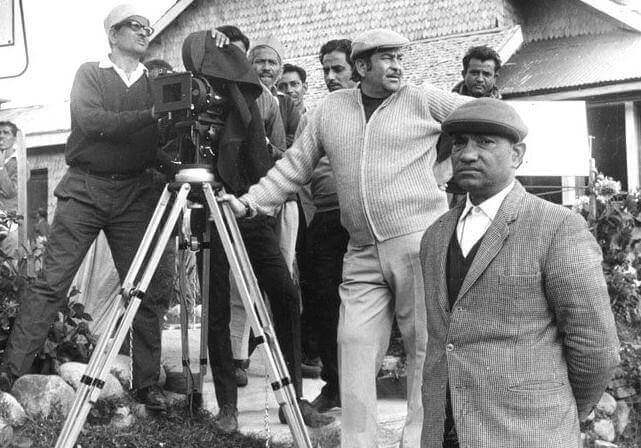
Both made terrific films with memorable, evergreen songs. Both understood the power of emotion on screen. Both made the kind of cinema they wanted to, but combined it with deep respect for the box office. But they walked very different paths.
The Bangalore-born Guru Dutt spent his early years in Calcutta and was influenced by Bengali culture. Raj Kapoor was born in Peshawar and went from place to place like a gypsy, following his peripatetic father, Prithviraj Kapoor, before finally moving to Bombay for good.
Guru Dutt left his stamp in the early ’50s with racy, entertaining films such as Baazi (1951) and Jaal (1952), both of which starred Dev Anand. The former was set in Bombay with Anand playing a rakish gambler; in the latter he was an amoral, unscrupulous smuggler. Guru Dutt was already showing an inclination towards heroes who were social outcasts and outsiders. In 1953 he set up his own company to make films and its first offering was the equally entertaining, Bombay-centric Aar Paar (1954). Guru Dutt played the role of a taxi driver who gets entangled with crooks and cabaret dancers. In Mr & Mrs 55 (1955), a light comedy, he played a cartoonist wooing a young woman who is dominated by her overbearing, man-hating aunt.
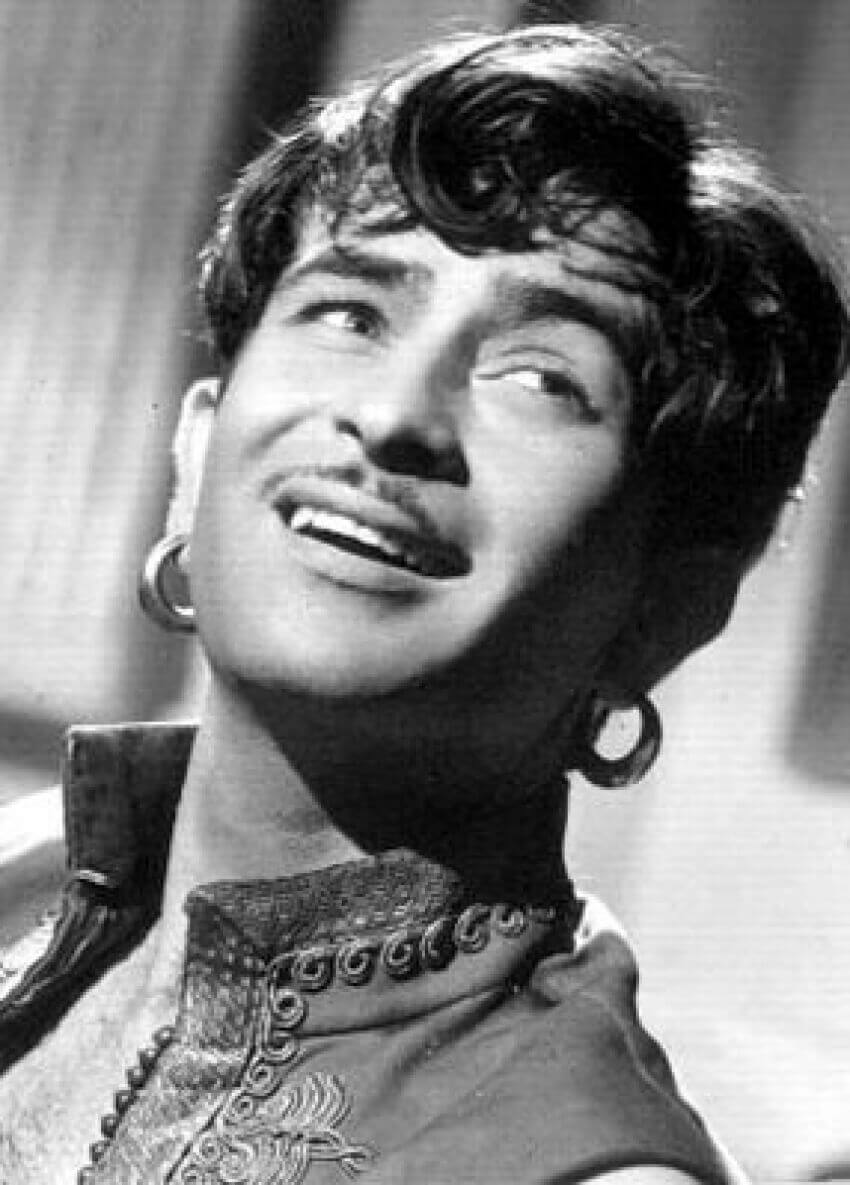
Jugnu, starring Dilip Kumar and Noor Jehan, was the most popular film released that year
Barsaat was such a huge hit that it allowed RK to buy the Studios plot in Chembur, in suburban Mumbai, by 1950. He was barely 26 years old.
But the three films that Guru Dutt is best known for, Pyaasa (1957), Kagaz Ke Phool (1959) and Sahib Biwi Aur Ghulam (1962, directed by Abrar Alvi), find him in a very different, somber mood. In Pyaasa, the hero is a sensitive poet, humiliated by society. In Kagaz Ke Phool, he is a successful film director who goes into a downward spiral, shunned by his fraternity and the very public who adored him. An all-pervasive sense of melancholy, failure and death were recurring themes, depicted on screen with deep emotional intensity. Sahib Biwi Aur Ghulam described the decay of a decadent, feudal way of life of a Bengali zamindar at the end of the 19th century. At the heart of the film was the lonely Chhoti Bahu (Meena Kumari), who finds a confidante in Guru Dutt.
This pessimism and gloom were completely at variance with the innocence, optimism and romantic passion of Raj Kapoor. His first film as director was Aag (1948, the year he founded RK Films), about a man in search of his first love. But it was second film, Barsaat (1949), that became a big hit and gave RK Films its famous logo. It was drenched in romance and love, and had a stunning music score (Hawa Mein Udta Jaye…).
The films Raj Kapoor is most remembered for, however, like Awara (1951) and Shree 420 (1955), showcase his humanism, effervescence, romance and emotional appeal. In Awara, Raj (Raj Kapoor) is pitted against Judge Raghunath (Prithviraj Kapoor) and though he’s a poor, petty thief and the judge is a rich, respectable member of society, it is Raj who is the wronged one, the noble soul.
Raj Kapoor’s heart beat for the underdog, the vagabond, the tramp. In Shree 420, the hero Raj comes from Allahabad to the big city, only to be singed by its heartlessness. But the film ends on a hopeful note as Raj regains his humanity.
His films were very much part of the national mood of a new nation, idealistically moving ahead on a path of progress and justice after centuries of impoverishment brought about by colonial rule. The hated foreign rulers were gone but there was much to be done – most importantly, the lives of the poor and marginalised had to be improved. Kapoor was surrounded by progressive people such as his dialogue writer KA Abbas, an avowed Leftist, and his favourite lyricist, the Left-leaning Shailendra.
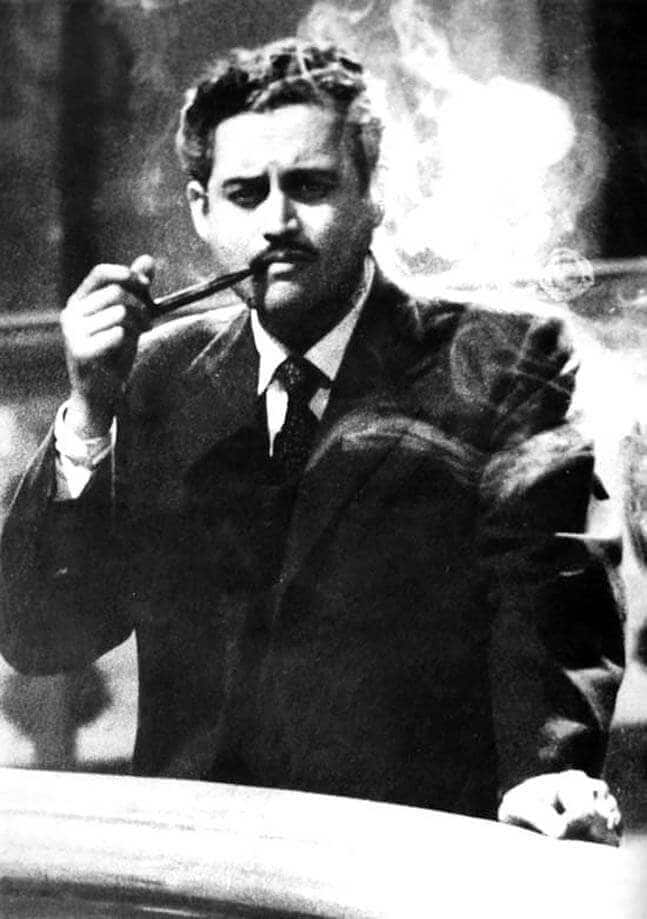
Jugnu, starring Dilip Kumar and Noor Jehan, was the most popular film released that year (Sanchit Khanna/HT Photos)
But Raj Kapoor made sure his films were entertaining and enjoyable; if there was a message, it was packaged in a captivating way. He wanted his films to run. Guru Dutt did too. He was so devastated by the failure of Kagaz Ke Phool that he refused to direct the next few films he was producing. M Sadiq directed Chaudvin Ka Chand (1960), a love story set in elegant Lucknow, which became a big hit, and Dutt convinced his scriptwriter and friend Abrar Alvi direct Sahib Biwi Aur Ghulam. But both films, particularly the latter, bear his unmistakable stamp. Raj Kapoor and Guru Dutt’s work may have been very different, but they each gave us some of the finest, most timeless films of the period. Their differences in style and theme only served to further enrich the legacy of Hindi cinema.