The year India got Independence, the Hindi film industry, popularly known Aas Bollywood, was already vibrant. In fact, by the 1930s, the industry was producing 200 films a year.
Two films were released in Bombay on Independence Day: Shehnai and Mera Geet. While the latter vanished from theatres and memory in no time, the PL Santoshi-directed Shehnai from Filmistan Studio became a huge success. The story of four spirited, independent young girls, it had racy, hummable songs (we still remember Aana Meri Jaan Meri Jaan Sunday Ke Sunday) and a happy energy that was in tune with the euphoria of that historic moment.
The number of films produced in India had been steadily rising since 1945, when World War 2-era restrictions were lifted. From 126 films in 1944, the number jumped to 283 in 1947, of which an estimated 114 were made in Bombay. The Partition of Bengal affected the film industry there adversely, given the large-scale migration of the population to East Pakistan (now Bangladesh). Most of the film talent in Calcutta moved to Bombay.
Read more
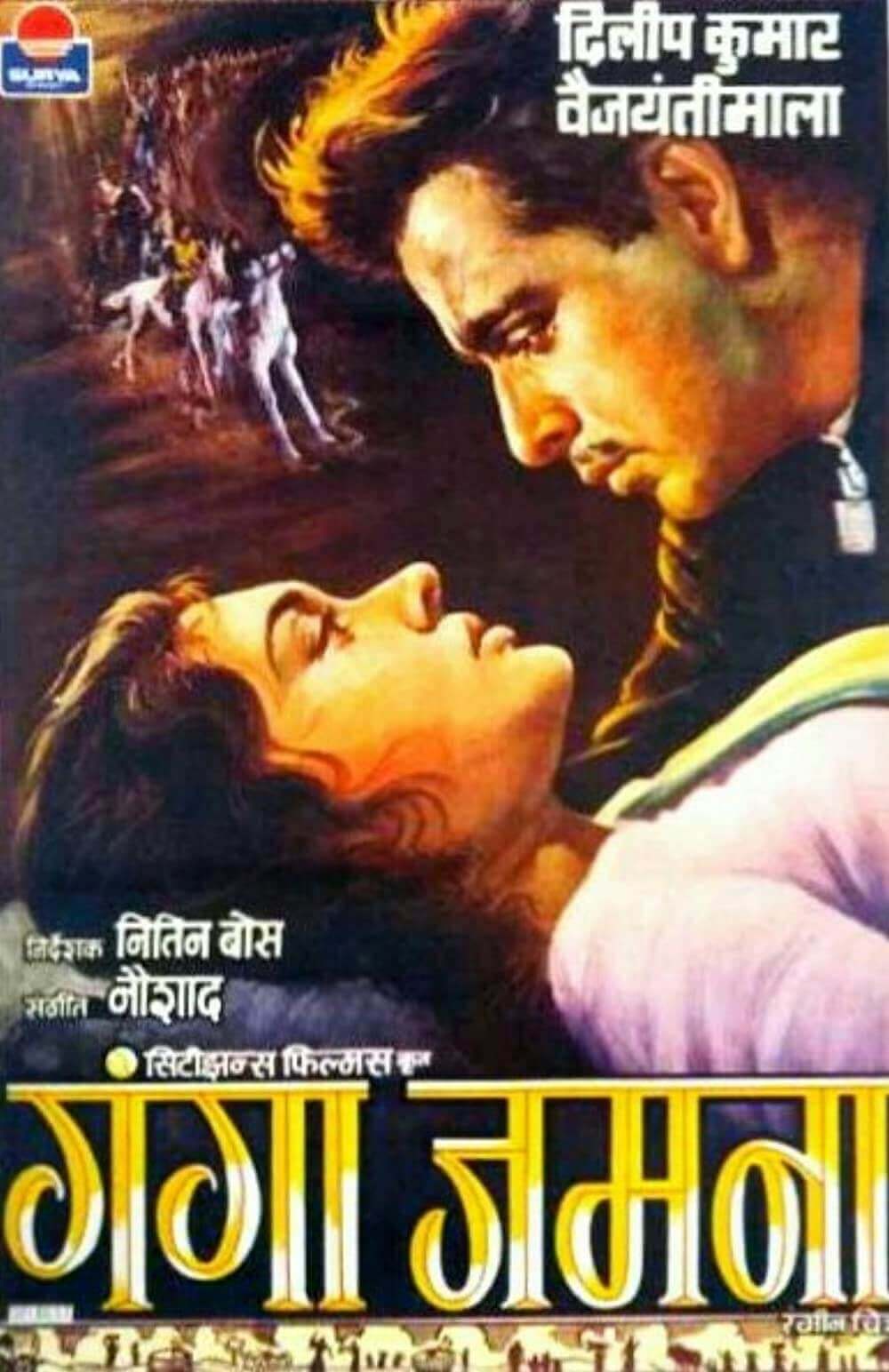
Jugnu, starring Dilip Kumar and Noor Jehan, was the most popular film released that year
Back home, India's first Prime Minister Jawaharlal Nehru recognised that the nation must develop in all spheres - it was not enough to set up steel mills, build dams, establish IITs and space research organisations.
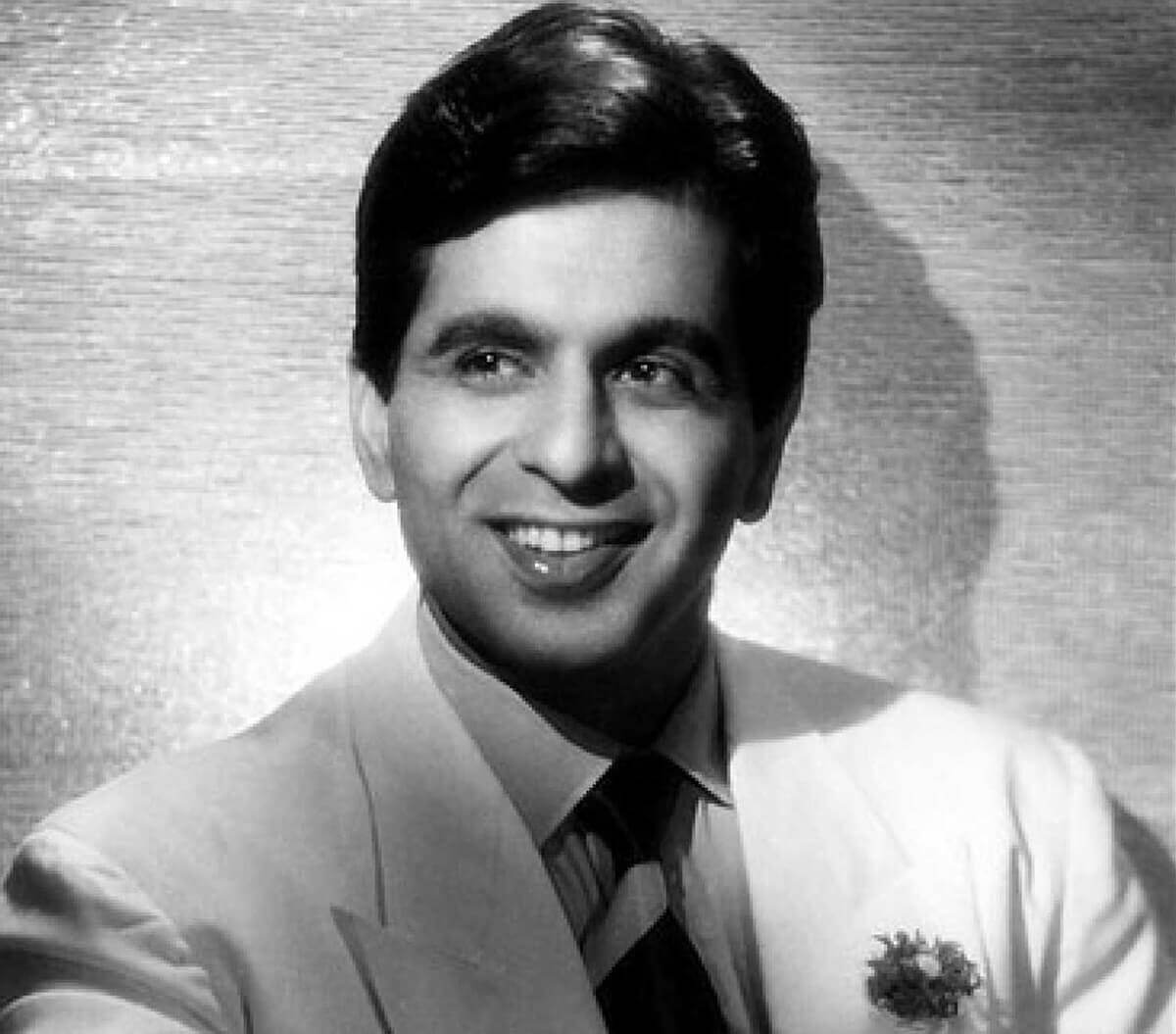
Dilip Kumar played the tragic hero better than any other actor: Ramesh Sippy
"In that era, tragedy was the in thing; Dilip Kumar was keeping up with the times. I don't think that it
was about him doing it consciously or that no one else was doing it. But Dilip Kumar was doing it best.
He played the tragedy hero the best," Sippy says.
Dilip Kumar played the tragic hero better than any other actor: Ramesh Sippy
"In that era, tragedy was the in thing; Dilip Kumar was keeping up with the times. I don't think that it
was about him doing it consciously or that no one else was doing it. But Dilip Kumar was doing it best.
He played the tragedy hero the best," Sippy says.
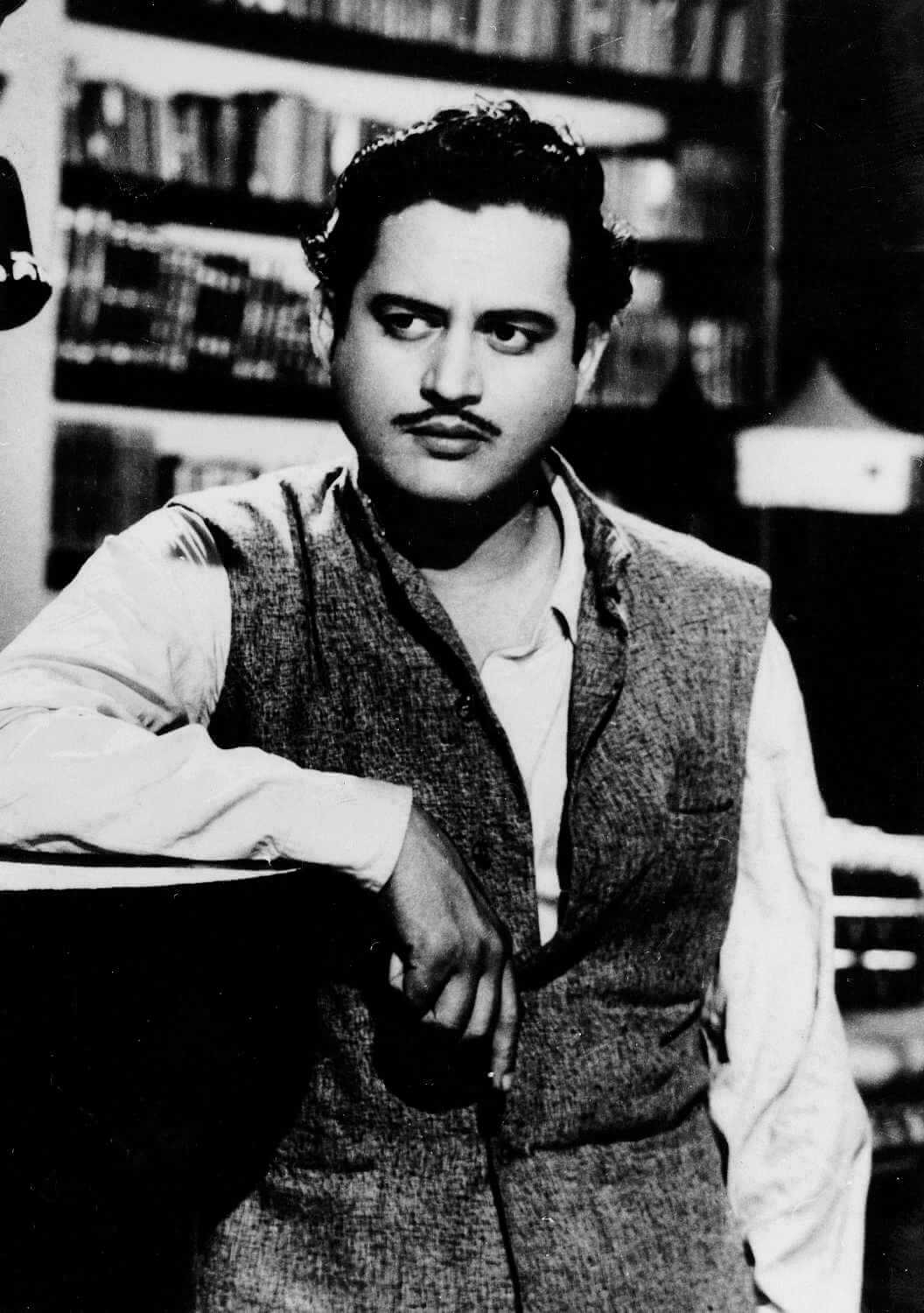
Both made terrific films with memorable, evergreen songs. Both understood the power of emotion on screen. Both made the kind of cinema they wanted to, but combined it with deep respect for the box office. But they walked very different paths. The Bangalore-born Guru Dutt spent his early years in Calcutta and was influenced by Bengali culture. Raj Kapoor was born in Peshawar and went from place to place like a gypsy, following his peripatetic father, Prithviraj Kapoor, before finally moving to Bombay for good.
Dilip Kumar (Sanchit Khanna/HT Photos)
Guru Dutt (Sanchit Khanna/HT Photos)
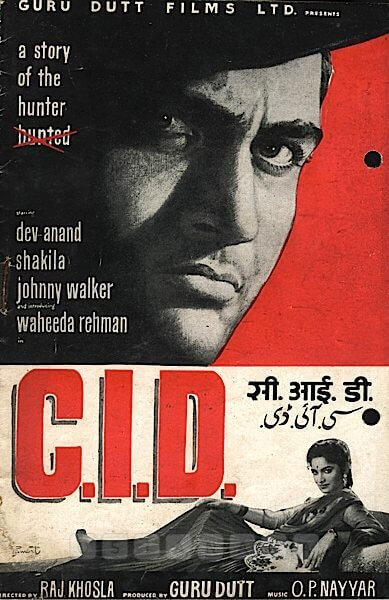
Guru Dutt left his stamp in the early ’50s with racy, entertaining films such as Baazi (1951) and Jaal (1952), both of which starred Dev Anand. The former was set in Bombay with Anand playing a rakish gambler; in the latter he was an amoral, unscrupulous smuggler. Guru Dutt was already showing an inclination towards heroes who were social outcasts and outsiders. In 1953 he set up his own company to make films and its first offering was the equally entertaining, Bombay-centric Aar Paar (1954). Read more
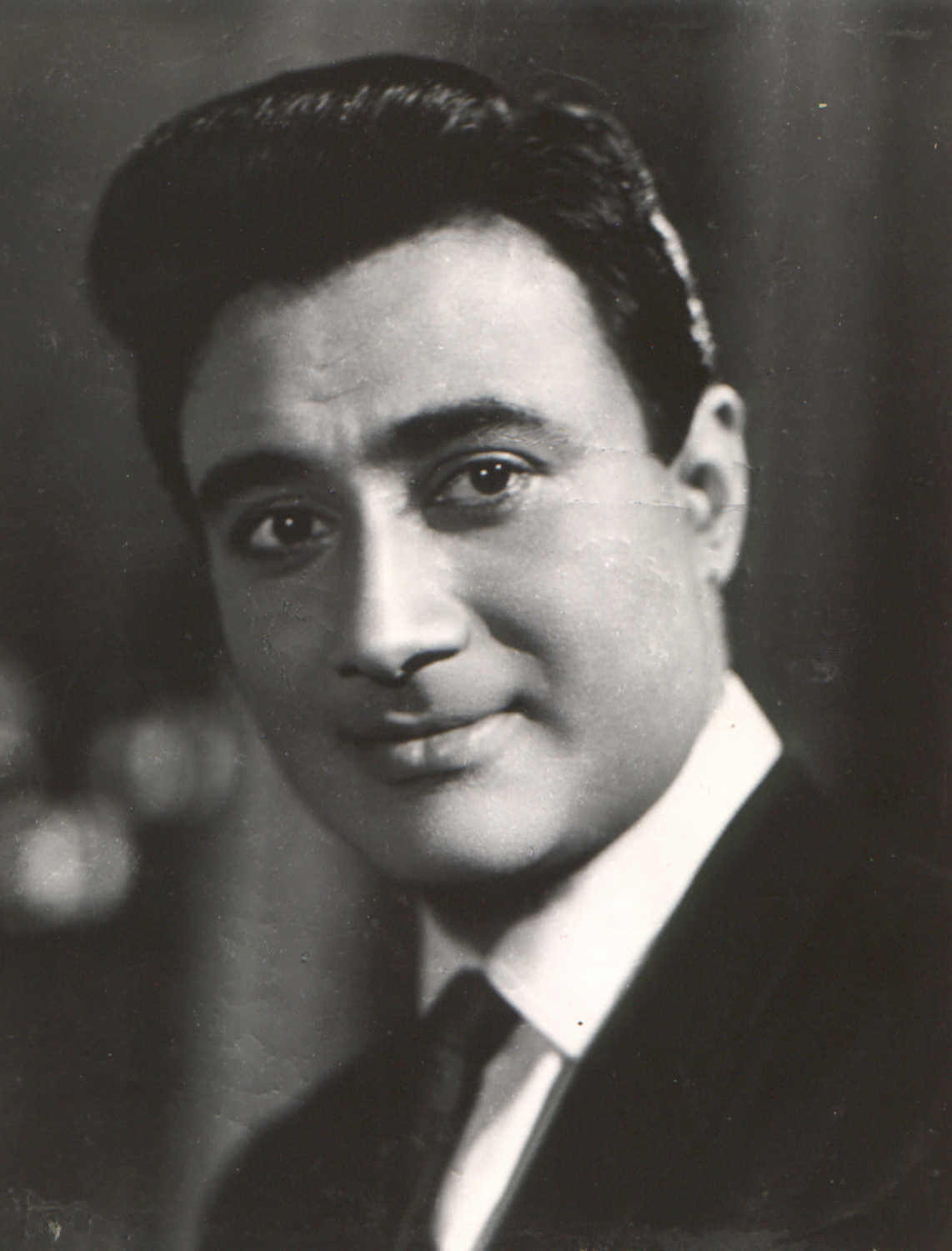
Two extraordinarily handsome young men made their film debuts in the ’40s. They went on to become cinema legends, giving us films, songs, scenes, dialogue and characters we remember even today, more than 70 years later. Mohammad Yusuf Khan, who became famous as Dilip Kumar, was from Peshawar and his first film was Jwar Bhata (1944); Dharam Dev Pishorimal Anand also known as Dev Anand was from Lahore and began his career in 1946 with Hum Ek Hain.
Guru Dutt (Sanchit Khanna/HT Photos)
While both were at their peak in the ’50s and at the dawn of the ’60s, they had different styles, different strengths. When Dev Anand loped down a dimly lit street or slouched around in a seedy bar, wearing a cap at a rakish angle, jacket collar turned up, scarf knotted carelessly at the throat, sometimes with a cigarette dangling from his mouth, he was the quintessential city slicker. Read more
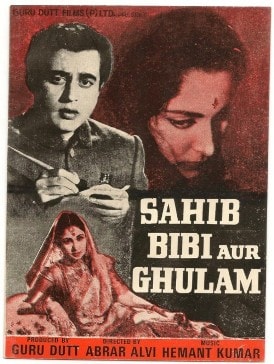
There's a legend that still does the rounds, about Guru Dutt's classic, Sahib Bibi Aur Ghulam (1962). It was Indian's official entry to the Oscars but, the legend goes, the Academy was so taken aback by the bold, audacious nature of Chhoti Bahu (Meena Kumari's) grief, that they denied the film a nomination. Meena Kumari's character turns to alcohol to distract herself from the absence of love in her marriage. In one scene, she pleads with her husband (played by Rehman) to stop cheating on her. When she is ignored, she reminds him that she has debased herself and given up her morals because she craves his love. The scene remains a masterclass in acting. Read more
Jugnu, starring Dilip Kumar and Noor Jehan, was the most popular film released that year (Sanchit Khanna/HT Photos)
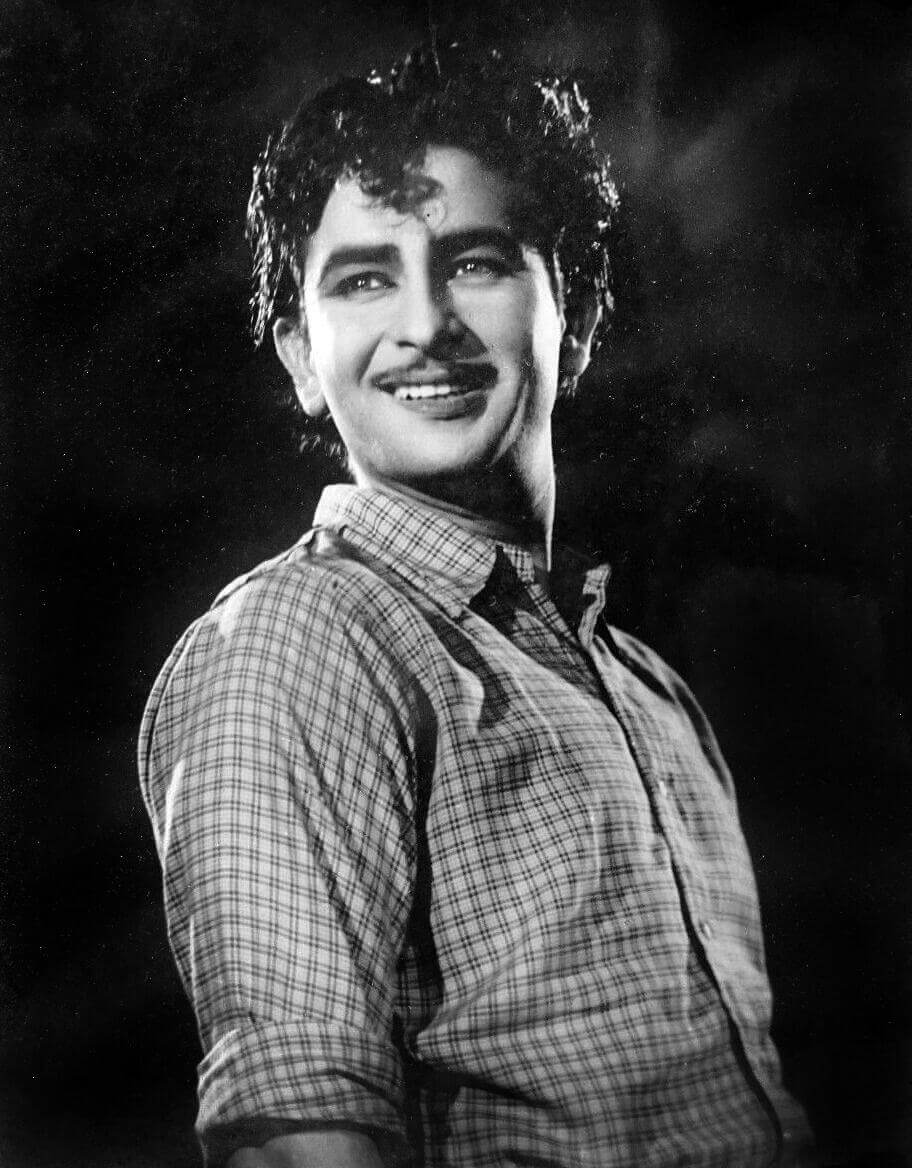
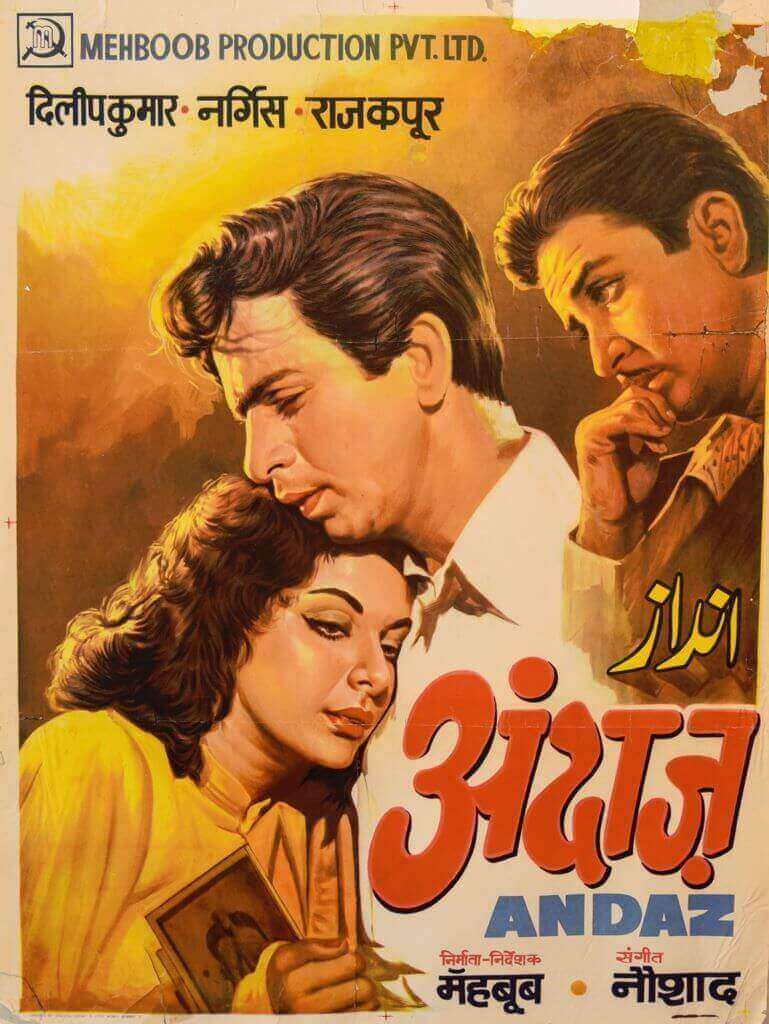
When one speaks of Dilip Kumar, we are immediately reminded of Dev Anand and Raj Kapoor. These three were famously known as ‘the golden trio’. They were three of the best actors that graced Hindi cinema and they will continue to inspire actors for generations to come. The three of them commenced their acting careers in Hindi cinema around the same time in the 1940s. Also, they were the sons of the same soil. They all hailed from Punjab- Dilip Kumar and Raj Kapoor came from Peshawar, Punjab (now in Pakistan) and Dev Anand from Gurdaspur, Punjab. View interactive
Compiled by Poonam Saxena. To see why she picked these movies, click here