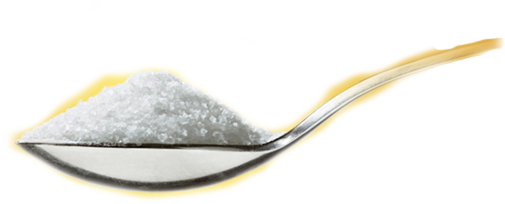
Join the ‘Ek Chammach Kam’ campaign today to prevent the onset of diseases such as diabetes and hypertension.
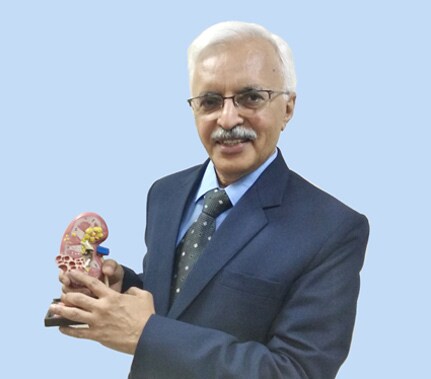
Join the ‘Ek Chammach Kam’ campaign today to prevent the onset of diseases such as diabetes and hypertension.
Non-communicable diseases, or NCDs, are lifestyle diseases such as obesity, diabetes, hypertension, cancer, and chronic kidney disease.
These have reached epidemic proportions and are responsible for 65-70% of deaths in India, according to a study published in the journal Lancet. Hence, the World Health Organization has declared a war against NCDs. The Indian government, too, has launched a nationwide programme to eliminate or control them.
Diabetes is the most worrisome of these diseases—the number of cases has risen 10 times in the last 40 years. In Chandigarh, Delhi, and Chennai, more than half the population above 55 years of age has some form of dysglycemia or an abnormality in blood sugar stability.
NCDs have been fuelled by a rapid increase of obesity cases in India. In urban areas, more than 70% of people who are above 40 years old need to lose significant weight.
Lifestyle diseases can be prevented if we reduce the intake of salt, sugar, and oil by at least 30%. The same is the crux of the ‘Ek Chammach Kam’ campaign, which also elaborates the importance of 30 minutes of daily exercise and quitting consumption of tobacco in any form.
It works at all 4 levels of prevention—
So, join the Ek Chammach Kam campaign today!

High blood pressure is a silent killer, says expert. Avoiding the consumption of alcohol and tobacco is one of the ways you can prevent it.
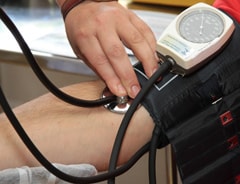
According to expert, it leads to heart attack, paralytic strokes, and renal failure.

Exercising and taking medicines regularly go a long way in keeping diabetics healthy.
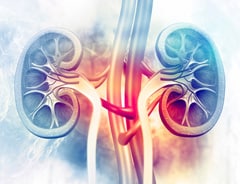
Swelling in the face, dizziness, and frequent urination are some of the signs, says expert.

Patients with urinary tract infection or kidney stones can have a liberal diet, but those suffering from chronic kidney disease need a more restricted diet.
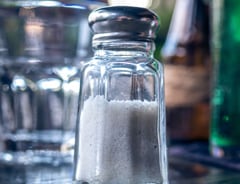
Excessive intake of salt can damage your kidneys, says expert
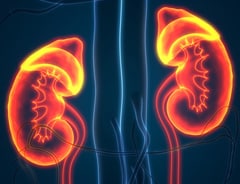
According to a study, one in 17 adults in India suffers from a renal disease.

Drinking at least 10-12 glasses of water every day helps in keeping this condition at bay.
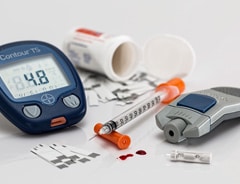
Join the ‘Ek Chammach Kam’ campaign today to prevent the onset of diseases such as diabetes and hypertension.