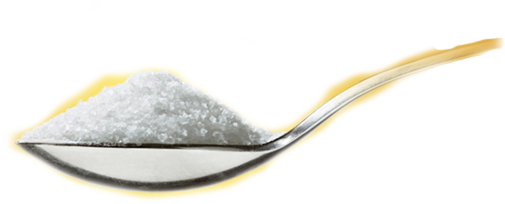
Drinking at least 10-12 glasses of water every day helps in keeping this condition at bay.

Drinking at least 10-12 glasses of water every day helps in keeping this condition at bay.
Kidney stones are a major health problem worldwide. Read on to know more.
Extracorporeal Shock Wave Lithotripsy (ESWL): In this, shock waves from a source outside the body are used to break the stone into small fragments that can pass out of the body with urine. Patients may feel some pain as the stone fragments pass through the urinary tract.
Percutaneous stone removal: This form of treatment is used when the stone is very large or located in an area where ESWL is not effective. The surgeon makes a very small incision in the back and creates a tunnel leading to the kidney. The stone is then removed through a tube called the nephroscope.
Urethroscopic stone removal: The surgeon passes a small fiber optic instrument through the urethra and bladder into the ureters. Once the stone is located, it is removed with a cage-like device, or shattered with laser beams or shock waves.

High blood pressure is a silent killer, says expert. Avoiding the consumption of alcohol and tobacco is one of the ways you can prevent it.
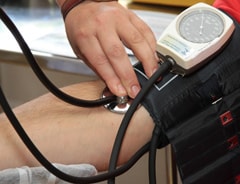
According to expert, it leads to heart attack, paralytic strokes, and renal failure.

Exercising and taking medicines regularly go a long way in keeping diabetics healthy.
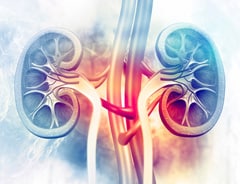
Swelling in the face, dizziness, and frequent urination are some of the signs, says expert.

Patients with urinary tract infection or kidney stones can have a liberal diet, but those suffering from chronic kidney disease need a more restricted diet.
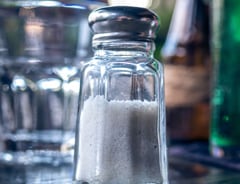
Excessive intake of salt can damage your kidneys, says expert
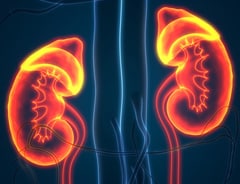
According to a study, one in 17 adults in India suffers from a renal disease.

Drinking at least 10-12 glasses of water every day helps in keeping this condition at bay.
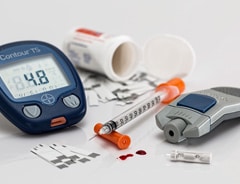
Join the ‘Ek Chammach Kam’ campaign today to prevent the onset of diseases such as diabetes and hypertension.