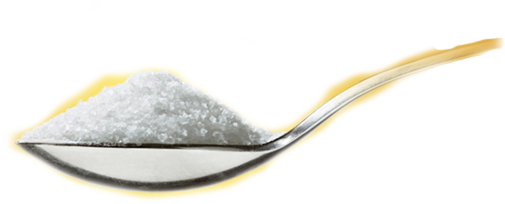
Patients with urinary tract infection or kidney stones can have a liberal diet, but those suffering from chronic kidney disease need a more restricted diet.

Patients with urinary tract infection or kidney stones can have a liberal diet, but those suffering from chronic kidney disease need a more restricted diet.
At every stage of kidney failure, your diet plays a very important role in slowing down the disease. Read on to know more.
A sufficient intake of calories is very important for patients suffering from chronic kidney disease. If the calorie requirement is not adequate, proteins are used as a source of energy. This, in turn, leads to malnutrition.
Proteins help build, repair, and maintain body tissues. They also help in fighting infections and healing wounds. As the body breaks down protein-rich foods, a waste product called urea is formed. If this is not eliminated, it may lead to tiredness, nausea, and headaches. But if you eat too little protein, muscle mass may be lost, leading to fatigue and weight loss.
Foods such as meat, fish, poultry, eggs, tofu, milk and milk products are high in protein. They are called first-class proteins and can be had in moderation under the guidance of a dietician.
As renal failure progresses, the ability of the body to excrete sodium decreases. This, in turn, leads to hypertension and swelling in the body. Therefore, the intake of sodium should be restricted. Food items such as farsan, chips, biscuits, sandwiches, noodles, and pizza are all high in sodium.
If the blood pressure level is normal and there is an absence of edema, sodium can be taken in moderation.
Just like sodium, excessive intake of potassium by kidney patients can lead to heart problems and even death. Fruit juices, coconut water, soups, dry fruits are all high in potassium and should therefore be avoided.
Phosphorus helps in keeping our bones healthy. As kidney functions decline, the blood phosphate level rises, causing itchy skin and painful joints. Therefore, the amount of phosphorus in the diet needs to be controlled. Phosphorus-rich foods include milk and milk products, meat, fish, and poultry. Generally, foods with very high levels of phosphorus, such as seeds, nuts, dried peas, beans, and bran cereals are restricted.
Calcium and Vitamin D are needed for strong bones. Damaged kidneys may not be able to activate Vitamin D into a usable form. People with chronic kidney disease should only take calcium and Vitamin D as prescribed by their physicians and monitor the levels regularly. Dairy products such as milk and milk products are good sources of calcium.
As kidney function decreases, the kidneys may not produce as much urine as before, and your body may become overloaded with fluid. In such cases, it is necessary to restrict the intake of fluids. Excessive fluid intake results in swelling, breathlessness, and high blood pressure. In some cases, where the urine output is adequate and there is no swelling, fluid restriction may not be necessary. Fluids include any liquid at room temperature, such as water, milk, buttermilk, soup, juices, and soft drinks.
Fact - Patients with urinary tract infection (UTI) or kidney stones can have a liberal diet, but those suffering from chronic kidney disease need a more restricted diet.
Fact - Do not use salt substitutes when the kidney function is poor. Most such substitutes use potassium instead of sodium, which can lead to heart stoppage in a patient. Instead, normal iodized salt should be used. Sodium-rich foods should also be restricted.
Fact - Some people need to limit their fluids while others can drink any amount they wish. As kidney function decreases, the kidneys may not produce as much as urine as before and your body may become overloaded with fluid. On the other hand, patients with kidney stones or UTI need to drink plenty of water.
Fact – Fruits, fruit juices, and coconut water are high in potassium. Therefore, they should not be consumed by people suffering from chronic kidney disease. Dry fruits, beans, peas, and dairy products are also rich in phosphorus and should thus be avoided or be consumed in desirable amounts. However, those with kidney stones should contain potassium-rich foods, as the same will help in treating the disease. Consuming excess salt, alcohol, animal protein, carbonated beverage, spinach, chocolate, and nuts should be avoided.
Fact - Most vegetables can be consumed by a kidney patient. However, if the level of potassium in your blood is high, you need to boil the vegetables / dal in water and discard the water.
Fact - Dal / pulses can be consumed in moderate quantity prepared in medium consistency. Whole pulses and sprouts can be consumed occasionally. Soya has renoprotective properties and should therefore be incorporated in desirable amounts. On the other hand, patients on dialysis should consume dal / pulses / milk and milk products / chicken / fish to meet their protein requirement. It is also important to eat the right amount of calories and other nutrients when receiving dialysis.
Fact – Anemia is not caused due to iron deficiency, but the deficiency of a hormone called erythropoietin. Hence, eating these food items is not likely to increase your hemoglobin level.
Fact - Moderate exercise/ walk is permitted as per the comfort of the patient.

High blood pressure is a silent killer, says expert. Avoiding the consumption of alcohol and tobacco is one of the ways you can prevent it.

According to expert, it leads to heart attack, paralytic strokes, and renal failure.

Exercising and taking medicines regularly go a long way in keeping diabetics healthy.
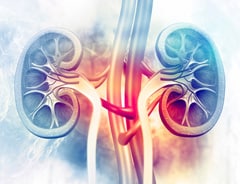
Swelling in the face, dizziness, and frequent urination are some of the signs, says expert.

Patients with urinary tract infection or kidney stones can have a liberal diet, but those suffering from chronic kidney disease need a more restricted diet.
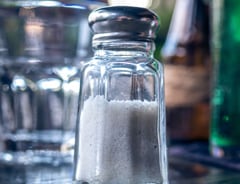
Excessive intake of salt can damage your kidneys, says expert
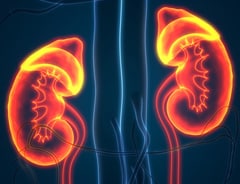
According to a study, one in 17 adults in India suffers from a renal disease.

Drinking at least 10-12 glasses of water every day helps in keeping this condition at bay.
Join the ‘Ek Chammach Kam’ campaign today to prevent the onset of diseases such as diabetes and hypertension.