Colorectal cancer is the sixth most common cancer in the country and is caused due to poor lifestyle habits such as drinking or smoking.

Colorectal cancer is the sixth most common cancer in the country and is caused due to poor lifestyle habits such as drinking or smoking.
In India’s efforts to achieve disease eradication and preventive care for all, the country also needs to talk about reducing the risk of a form of cancer which doesn’t receive enough attention. And, that is none other than colorectal cancer (CRC).
CRC is developed when a tumor is developed in the colon and rectum, and after detection, is treated with a combination of surgery, chemotherapy, and radiation.
In addition to CRC, the rise and development of mCRC (metastatic colorectal cancer) is to be paid special attention to. About 25 percent of patients presents directly at stage IV or mCRC, and 50 percent of patients with CRC face the danger of developing mCRC. Hence, understanding CRC is impossible without understanding the growth, development, and treatment of mCRC.
There were an estimated 693,333 deaths due to CRC in the world in 2012. While the prevalence of the disease is higher in the US than in India, CRC is one of the top five common cancers in the world. The spread of CRC over Asia is uniformly low, studies report.
In India, it is the fifth most common cancer after breast, cervix/uteri, lip/oral cavity, and lung cancer.
It is believed that CRC is caused due to a lack of physical activity, poor diet, drinking, and smoking. As these lifestyle choices are not that prevalent in the eastern countries of the world, not many people in India are said to be affected by this disease. Also, in places where CRC prevails, it is higher in males than in females.
After a study in 12 cancer registries of India (Bengaluru, Barshi, Bhopal, Chennai, Delhi, Mumbai, Ahmedabad, Karunagappally, Kolkata, Nagpur, Pune, Mumbai, and Thiruvananthapuram), it was stated that the risk of CRC in India is significantly low, but has been rising slowly.
Studies also point to an increase in CRC in immigrant Indians in the UK and the US. The rise of CRC can be attributed to be observed in the last three decades in India. For example, researcher Satya Dattatreya reports on how in the 32-year-period, (1941-1972) 555 cases of CRC were recorded at Tata Memorial Hospital in Mumbai. In 2006, 560 cases were treated at the institute.
The reason for the same is attributed to the typical Indian diet. Abundant in fruits and vegetables and lower in calories, this diet is healthier than that of most nations. This, combined with a moderate level of physical activity, results in a low rate of CRC in the country.
However, with changing lifestyles and diets, and with lowering of mortality, CRC is not to be taken for granted. The rate of CRC in India and other developing countries is on the rise. By 2035, CRC is expected to rise by a staggering 80 percent. It is also important to note that while patients of CRC display the same symptoms in India and the US, patients in India present with the cancer at a younger age and a later stage of the disease.
As with many other kinds of cancer, a combination of treatments works best for CRC and mCRC. In particular, the two kinds of cancer have undergone a massive change in the way doctors approach them due to the era of personalized medicine. This is because the treatment of diseases such as CRC and mCRC has moved from their broad treatments towards more patient-specific treatments. Personalized treatments improve the overall health of the patient, improve recovery time, avoid unnecessary drug treatment and trials, and save medical expenses.
In particular, two gene tests called KRAS and NRAS, if conducted on patients presenting specific cases of mCRC, can help predict which treatment will be more beneficial. Through randomized controlled trials, more biomarkers have found to respond to different kinds of mCRC, and thus specific focus on treatment has increased. Personal patient treatment and therapy is now the most ideal outcome for management of mCRC and CRC. Dattatreya names this kind of approach as a ‘test-tailor-treat’ one, in which the patient is at the center of the treatment, and not the disease.
In the US and other developed economies, where CRC is more prevalent, there is more awareness about its detection and prevention. However, since there is a lower risk of the disease in India, the country lacks a sophisticated mechanism for formal screening programs.
The disease can be prevented through regular exercise and healthy eating, since its development is often associated with lifestyle instability. People should also avail of screening programs and consult the right doctors. A combination of these measures will go a long way in reducing the burden of CRC on India.

This is, in part, due to enhanced screening measures, early diagnosis, and aggressive surgical techniques.

You can prevent CRC by being physically active, eating plenty of fruits and vegetables, and limiting the intake of alcohol.

The number of CRC-related deaths is estimated to be approximately 6,08,000 worldwide, accounting for 8% of all cancer deaths.

The symptoms include blood in stool, abdominal pain, and/or a change in bowel habits.

With biomarker testing and personalized treatment methods, there is more hope for patients today, says oncologist.
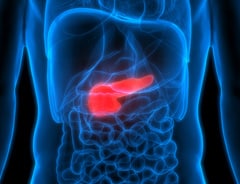
In this form of cancer, the cells in the colon or rectum divide uncontrollably, producing a tumour.

A diet high in fibre and low in red and processed meat further helps in reducing the risk.
In the advanced stages, targeted therapy and immunotherapy significantly help in improving survival rates.

According to oncologist, fatigue or bleeding in the stool can be indicative of colorectal cancer.

Expert blames alcoholism, smoking, red meat consumption, and obesity for rising incidence.

In the last two decades, the survival rates in stage IV/mCRC have almost doubled due to evolutions in treatment, says oncologist.
Oncologist recommends early screening programs for those at a greater risk.

Regular exercise and consumption of fruits and vegetables help lower the risk of getting the disease.

An essential move in this stage is selecting the right drug for the right patient, says oncologist.

As per oncologist, these include surgery, radiation therapy, and chemotherapy.

Due to a large number of effective therapies, colorectal cancer is thought of as a solvable problem by the oncology community.

Oncologist recommends genetic screening or screening by colonoscopy for early detection of the disease.

Changing lifestyles and associated dietary habits have resulted in more number of people being diagnosed with the disease at an earlier age.

As per international guidelines, people above 50 years of age should be screened through stool examination and colonoscopy.

Common signs include a change in bowel habits lasting for more than 4 weeks and persistent abdominal cramps.

The incidence of colon cancer rises with age, so anybody above 50 years of age should be screened for it, says oncologist.

Expert emphasizes the need for more screening programs among high-risk groups.

Talk to an oncologist about various screening tests so that the disease can be detected even before the symptoms develop.

Colorectal cancer—in which the cells in the colon or rectum become abnormal and divide uncontrollably, forming a tumor—is the third most common cancer in the world.
Colorectal cancer is the sixth most common cancer in the country and is caused due to poor lifestyle habits such as drinking or smoking.

Colorectal cancer is one of the top five cancers in our country, and is prevalent among both males and females.

Lack of physical activity, smoking, and consumption of alcohol increase the chances of developing the disease, says leading oncologist.
Common risk factors include advancing age, positive family history, and consumption of tobacco or alcohol.