Changing lifestyles and associated dietary habits have resulted in more number of people being diagnosed with the disease at an earlier age.

Changing lifestyles and associated dietary habits have resulted in more number of people being diagnosed with the disease at an earlier age.
Cancer has been named as the emperor of all maladies. In India, 11.5 lakh new cases of cancer were diagnosed in 2018. It is a problem that has too many complex ramifications. With the ever-increasing cost of healthcare, prevention, therefore, is the best way to tackle this menace.
March is the colorectal cancer awareness month. Like all cancers, it is symbolized by a dark blue ribbon.
In 2018, a total of 30,000 new cases of colorectal cancer were diagnosed in India. Changing lifestyles and associated dietary habits (e.g. a diet lacking in fruits and loaded with junk food) have resulted in more number of people being diagnosed with the disease at an earlier age. Otherwise, it is a disease that generally affects older people.
The colon is our body’s waste storehouse. It also helps in the absorption of water and essential nutrients. The earliest symptoms of colorectal cancer include an alteration in bowel habits, especially constipation and sometimes alternating with diarrhoea, bleeding per rectum, etc. Pain in the abdomen is another common sign.
In the advanced stages, the symptoms are related to the site where the cancer has spread. Jaundice due to spread to the liver and breathlessness due to spread to the lungs are some of the signs.
Early-stage colorectal cancer is treated with surgery and chemotherapy. Most advanced-stage diseases are treated with chemotherapy and targeted therapy.
Colon cancer has a strong genetic predisposition. First-degree relatives (father, mother, brothers and sisters) are at a greater risk. Screening is hence recommended in such relatives, especially if a family member was diagnosed with colon cancer at an earlier age.
Prevention is possible by taking part in physical activities, consuming fruits and vegetables, and avoiding smoking and alcohol.
This article has been written by Dr. Sourav Kumar Mishra, MD (BHU), DM (Cancer Institute, Chennai), ECMO, Associate Professor, Department of Medical Oncology, IMS & SUM Hospital, Bhubaneswar.

This is, in part, due to enhanced screening measures, early diagnosis, and aggressive surgical techniques.

You can prevent CRC by being physically active, eating plenty of fruits and vegetables, and limiting the intake of alcohol.

The number of CRC-related deaths is estimated to be approximately 6,08,000 worldwide, accounting for 8% of all cancer deaths.

The symptoms include blood in stool, abdominal pain, and/or a change in bowel habits.

With biomarker testing and personalized treatment methods, there is more hope for patients today, says oncologist.
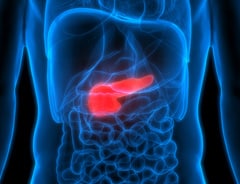
In this form of cancer, the cells in the colon or rectum divide uncontrollably, producing a tumour.

A diet high in fibre and low in red and processed meat further helps in reducing the risk.
In the advanced stages, targeted therapy and immunotherapy significantly help in improving survival rates.

According to oncologist, fatigue or bleeding in the stool can be indicative of colorectal cancer.

Expert blames alcoholism, smoking, red meat consumption, and obesity for rising incidence.

In the last two decades, the survival rates in stage IV/mCRC have almost doubled due to evolutions in treatment, says oncologist.
Oncologist recommends early screening programs for those at a greater risk.

Regular exercise and consumption of fruits and vegetables help lower the risk of getting the disease.

An essential move in this stage is selecting the right drug for the right patient, says oncologist.

As per oncologist, these include surgery, radiation therapy, and chemotherapy.

Due to a large number of effective therapies, colorectal cancer is thought of as a solvable problem by the oncology community.

Oncologist recommends genetic screening or screening by colonoscopy for early detection of the disease.

Changing lifestyles and associated dietary habits have resulted in more number of people being diagnosed with the disease at an earlier age.

As per international guidelines, people above 50 years of age should be screened through stool examination and colonoscopy.

Common signs include a change in bowel habits lasting for more than 4 weeks and persistent abdominal cramps.

The incidence of colon cancer rises with age, so anybody above 50 years of age should be screened for it, says oncologist.

Expert emphasizes the need for more screening programs among high-risk groups.

Talk to an oncologist about various screening tests so that the disease can be detected even before the symptoms develop.
Colorectal cancer—in which the cells in the colon or rectum become abnormal and divide uncontrollably, forming a tumor—is the third most common cancer in the world.
Colorectal cancer is the sixth most common cancer in the country and is caused due to poor lifestyle habits such as drinking or smoking.

Colorectal cancer is one of the top five cancers in our country, and is prevalent among both males and females.

Lack of physical activity, smoking, and consumption of alcohol increase the chances of developing the disease, says leading oncologist.
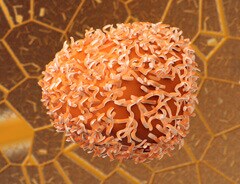
Common risk factors include advancing age, positive family history, and consumption of tobacco or alcohol.