The incidence of colon cancer rises with age, so anybody above 50 years of age should be screened for it, says oncologist.
The incidence of colon cancer rises with age, so anybody above 50 years of age should be screened for it, says oncologist.
Cancer arising from the large intestine is known as colon cancer. The incidence of this disease in India is rising.
The symptoms include weakness, lack of blood (anemia) occurring due to blood loss from cancerous lesion in the gut, and/or frank blood in stool. Also, if the cancerous mass continues to grow, it can obstruct the lumen.
Cancer can be tackled if detected on time. Many cancers pass through a precancerous stage. They remain in this stage for a long time. Colon cancer is one such cancer. It is possible to pick up these lesions through periodic investigations. The incidence of colon cancer rises with age, so anybody above 50 years of age should be screened for it. This is done via testing the stool sample for occult blood.
Another method is periodic examination of the whole colon using colonoscopy. Because of these screening procedures, mortality due to colon cancer has come down in many countries.
Early-stage colon cancer is treated with surgery. In many cases, surgery is followed by chemotherapy. Chemotherapy is given to decrease the chances of the cancer relapsing. Any cancer releases cells in circulation, which travel to distant sites in the body and give rise to recurrences. Chemotherapy also kills circulating cancer cells, and is the prime mode of treatment in advanced cancer cases.
Maintaining a healthy lifestyle helps prevent colon cancer. One should exercise, avoid alcohol, and include plenty of fiber and antioxidants in their diet. Other risk factors are a positive family history of colon cancer and certain inflammatory disorders of the gut.
It is also important to be aware of lifestyle changes and screening tests.
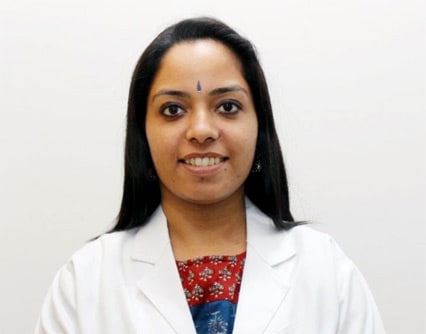
This article has been authored by Dr. Priya Tiwari, DM (Medical Oncology, AIIMS), MD (Internal Medicine, AIIMS), MBBS ( IMS, BHU) Consultant, Department of Medical Oncology, Fortis Memorial Research Institute, Gurgaon.

This is, in part, due to enhanced screening measures, early diagnosis, and aggressive surgical techniques.

You can prevent CRC by being physically active, eating plenty of fruits and vegetables, and limiting the intake of alcohol.

The number of CRC-related deaths is estimated to be approximately 6,08,000 worldwide, accounting for 8% of all cancer deaths.

The symptoms include blood in stool, abdominal pain, and/or a change in bowel habits.

With biomarker testing and personalized treatment methods, there is more hope for patients today, says oncologist.

In this form of cancer, the cells in the colon or rectum divide uncontrollably, producing a tumour.

A diet high in fibre and low in red and processed meat further helps in reducing the risk.
In the advanced stages, targeted therapy and immunotherapy significantly help in improving survival rates.
According to oncologist, fatigue or bleeding in the stool can be indicative of colorectal cancer.

Expert blames alcoholism, smoking, red meat consumption, and obesity for rising incidence.

In the last two decades, the survival rates in stage IV/mCRC have almost doubled due to evolutions in treatment, says oncologist.
Oncologist recommends early screening programs for those at a greater risk.

Regular exercise and consumption of fruits and vegetables help lower the risk of getting the disease.

An essential move in this stage is selecting the right drug for the right patient, says oncologist.

As per oncologist, these include surgery, radiation therapy, and chemotherapy.

Due to a large number of effective therapies, colorectal cancer is thought of as a solvable problem by the oncology community.

Oncologist recommends genetic screening or screening by colonoscopy for early detection of the disease.

Changing lifestyles and associated dietary habits have resulted in more number of people being diagnosed with the disease at an earlier age.

As per international guidelines, people above 50 years of age should be screened through stool examination and colonoscopy.

Common signs include a change in bowel habits lasting for more than 4 weeks and persistent abdominal cramps.

The incidence of colon cancer rises with age, so anybody above 50 years of age should be screened for it, says oncologist.

Expert emphasizes the need for more screening programs among high-risk groups.

Talk to an oncologist about various screening tests so that the disease can be detected even before the symptoms develop.
Colorectal cancer—in which the cells in the colon or rectum become abnormal and divide uncontrollably, forming a tumor—is the third most common cancer in the world.
Colorectal cancer is the sixth most common cancer in the country and is caused due to poor lifestyle habits such as drinking or smoking.

Colorectal cancer is one of the top five cancers in our country, and is prevalent among both males and females.

Lack of physical activity, smoking, and consumption of alcohol increase the chances of developing the disease, says leading oncologist.

Common risk factors include advancing age, positive family history, and consumption of tobacco or alcohol.