Oncologist recommends early screening programs for those at a greater risk.

Oncologist recommends early screening programs for those at a greater risk.
Colorectal cancer is the third most common cancer in the world, with 1.3 million new cases each year and a 5-year prevalence rate of 3.2 million. There were an estimated 6,93,333 deaths due to colorectal cancer (CRC) in 2012. When looking at India and the USA, the incidence, mortality, and prevalence rates are all consistently higher in the US. The incidence of the disease, however, is higher in males in both countries. In India, it is the fifth most common cancer after breast, cervix/uteri, lip/oral cavity, and lung cancer.
The westernized lifestyle of physical inactivity, poor diet, obesity, and increased alcohol consumption and long-term smoking attributes to this higher burden.
A review of the 12 population-based cancer registries in India (Benaguluru, Barshi, Bhopal, Chennai, Delhi, Mumbai, Ahmedabad, Karunagappally, Kolkata, Nagpur, Pune, and Thiruvananthapuram) demonstrated that the incidence of colon and rectal cancer is significantly lower in India for both genders when compared to that of the West. In these registries, colon and rectal cancer is ranked tenth among all cancers. The typical diet in India is lower in calories and consists of more fruits and vegetables. This, combined with a higher level of physical activity, translates into a lower obesity rate. Unfortunately, India’s low incidence rate is also associated with a low 5-year survival rate.
Patients with CRC usually present with rectal bleeding, pain, or a change in bowel habits. Occasionally, patients will present with a malignant large bowel obstruction. Once a diagnosis of CRC is made, the stage must be determined. This is achieved with the help of a CT of the chest, abdomen, and pelvis and an MRI of the pelvis or endoscopic ultrasound if staging rectal cancer. In addition, labs such as CEA and biomarkers of the tumor are obtained.
Chemotherapy has evolved in the past 20 years and now, there are multiple combination regimens available. Different combinations of chemotherapy and radiation are given to patients based on stage, tumor characteristics, and presence of biomarkers. Due to advances in the treatment of CRC and early detection, the survival rates have increased in the US, with a 5-year survival of 65% at all stages.
CRC detection and treatment has certainly made strides in the past few decades, especially in the USA and other economically developed countries. In other parts of the world such as India, the incidence still remains low and is less than half of that in the US. Nonetheless, the rate of CRC in India and other emerging economies such as Eastern Europe and South America is rising. In India, it is predicted to rise approximately by 80% in 2035, with an incidence of 114,986 new cases and a mortality of 87,502.
Efforts should be made for increasing formal screening programs in the age-appropriate population. Identifying people at a higher risk, such as those with a family history of colorectal cancer, a history of inflammatory bowel disease, or genetic conditions should be encouraged.
Finally, educating individuals about the risk factors and what should prompt them to seek care will help tackle this disease.
This article has been written by Dr.Nirmal Raut, Senior Consultant Medical Oncologist, Bhaktivedanta Hospital, Mumbai.

This is, in part, due to enhanced screening measures, early diagnosis, and aggressive surgical techniques.

You can prevent CRC by being physically active, eating plenty of fruits and vegetables, and limiting the intake of alcohol.

The number of CRC-related deaths is estimated to be approximately 6,08,000 worldwide, accounting for 8% of all cancer deaths.

The symptoms include blood in stool, abdominal pain, and/or a change in bowel habits.

With biomarker testing and personalized treatment methods, there is more hope for patients today, says oncologist.
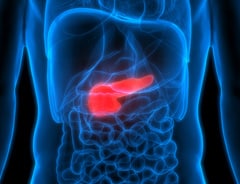
In this form of cancer, the cells in the colon or rectum divide uncontrollably, producing a tumour.

A diet high in fibre and low in red and processed meat further helps in reducing the risk.
In the advanced stages, targeted therapy and immunotherapy significantly help in improving survival rates.
According to oncologist, fatigue or bleeding in the stool can be indicative of colorectal cancer.

Expert blames alcoholism, smoking, red meat consumption, and obesity for rising incidence.

In the last two decades, the survival rates in stage IV/mCRC have almost doubled due to evolutions in treatment, says oncologist.
Oncologist recommends early screening programs for those at a greater risk.

Regular exercise and consumption of fruits and vegetables help lower the risk of getting the disease.

An essential move in this stage is selecting the right drug for the right patient, says oncologist.

As per oncologist, these include surgery, radiation therapy, and chemotherapy.

Due to a large number of effective therapies, colorectal cancer is thought of as a solvable problem by the oncology community.

Oncologist recommends genetic screening or screening by colonoscopy for early detection of the disease.

Changing lifestyles and associated dietary habits have resulted in more number of people being diagnosed with the disease at an earlier age.

As per international guidelines, people above 50 years of age should be screened through stool examination and colonoscopy.

Common signs include a change in bowel habits lasting for more than 4 weeks and persistent abdominal cramps.

The incidence of colon cancer rises with age, so anybody above 50 years of age should be screened for it, says oncologist.

Expert emphasizes the need for more screening programs among high-risk groups.

Talk to an oncologist about various screening tests so that the disease can be detected even before the symptoms develop.
Colorectal cancer—in which the cells in the colon or rectum become abnormal and divide uncontrollably, forming a tumor—is the third most common cancer in the world.
Colorectal cancer is the sixth most common cancer in the country and is caused due to poor lifestyle habits such as drinking or smoking.

Colorectal cancer is one of the top five cancers in our country, and is prevalent among both males and females.

Lack of physical activity, smoking, and consumption of alcohol increase the chances of developing the disease, says leading oncologist.
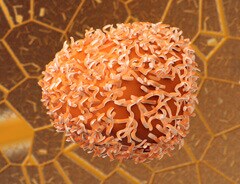
Common risk factors include advancing age, positive family history, and consumption of tobacco or alcohol.