This is, in part, due to enhanced screening measures, early diagnosis, and aggressive surgical techniques.

This is, in part, due to enhanced screening measures, early diagnosis, and aggressive surgical techniques.
Although colorectal cancer remains a prominent cause of mortality, the last few decades have seen a significant improvement in the overall survival rates. This is, in part, due to enhanced screening measures, early diagnosis, and aggressive surgical techniques. The progress made in understanding active cancer pathways and developing novel therapeutic options have also helped.
Prevention of colorectal cancer with diets, supplements, preventive medications such as aspirin, and early methods of detection such as screening blood tests and stool tests is being studied. In the early stages, the disease is mostly treated with surgical resection. Genomic tests are being developed to predict the specific risk of recurrence and prognosis for patients.
Combining chemotherapy with targeted therapy helps improve outcomes in advanced stages, and pathway analysis is critical to planning treatment. Mutations in KRAS, APC, TP53 and extended RAS panels are some of the commonly studied alterations. The Cancer Genome Atlas Network and other research teams have identified newer set of genes that could be mutated in colorectal cancer, thereby contribute to treatment resistance. They could also serve as potential targets for therapy and drug development such as BRAF PIK3CA, ERBB2, PTEN, IGF2 mutations and TRK fusions.
Approximately 5% of advanced colorectal cancers are found to be MSI –H, which is the biological footprint of mismatch repair deficiency (dMMR). These cells are more visible to the immune system and have shown excellent response to immunotherapy with PD-L1 inhibitors alone or a combination of PD-L1 inhibitor with CTLA-4 antibody.
Targeted therapies and immunotherapy are personalized treatment options for colorectal cancer. More research is underway to enable novel therapies and combinations and brings hope of improved survival for patients.
This article has been written by Dr. Sewanti Limaye, MBBS, MD (USA), MS (USA), Consultant, Medical Oncology, Kokilaben Dhirubhai Ambani Hospital and Medical Research Institute, Mumbai, and Ex-Consultant Medical Oncology, Dana Farber Cancer Institute, Harvard Med School and Columbia University Medical Center, US.

This is, in part, due to enhanced screening measures, early diagnosis, and aggressive surgical techniques.

You can prevent CRC by being physically active, eating plenty of fruits and vegetables, and limiting the intake of alcohol.

The number of CRC-related deaths is estimated to be approximately 6,08,000 worldwide, accounting for 8% of all cancer deaths.

The symptoms include blood in stool, abdominal pain, and/or a change in bowel habits.

With biomarker testing and personalized treatment methods, there is more hope for patients today, says oncologist.
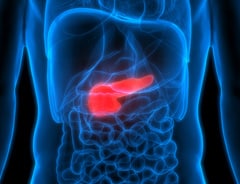
In this form of cancer, the cells in the colon or rectum divide uncontrollably, producing a tumour.

A diet high in fibre and low in red and processed meat further helps in reducing the risk.
In the advanced stages, targeted therapy and immunotherapy significantly help in improving survival rates.
According to oncologist, fatigue or bleeding in the stool can be indicative of colorectal cancer.

Expert blames alcoholism, smoking, red meat consumption, and obesity for rising incidence.

In the last two decades, the survival rates in stage IV/mCRC have almost doubled due to evolutions in treatment, says oncologist.
Oncologist recommends early screening programs for those at a greater risk.

Regular exercise and consumption of fruits and vegetables help lower the risk of getting the disease.

An essential move in this stage is selecting the right drug for the right patient, says oncologist.

As per oncologist, these include surgery, radiation therapy, and chemotherapy.

Due to a large number of effective therapies, colorectal cancer is thought of as a solvable problem by the oncology community.

Oncologist recommends genetic screening or screening by colonoscopy for early detection of the disease.

Changing lifestyles and associated dietary habits have resulted in more number of people being diagnosed with the disease at an earlier age.

As per international guidelines, people above 50 years of age should be screened through stool examination and colonoscopy.

Common signs include a change in bowel habits lasting for more than 4 weeks and persistent abdominal cramps.

The incidence of colon cancer rises with age, so anybody above 50 years of age should be screened for it, says oncologist.

Expert emphasizes the need for more screening programs among high-risk groups.

Talk to an oncologist about various screening tests so that the disease can be detected even before the symptoms develop.
Colorectal cancer—in which the cells in the colon or rectum become abnormal and divide uncontrollably, forming a tumor—is the third most common cancer in the world.
Colorectal cancer is the sixth most common cancer in the country and is caused due to poor lifestyle habits such as drinking or smoking.

Colorectal cancer is one of the top five cancers in our country, and is prevalent among both males and females.

Lack of physical activity, smoking, and consumption of alcohol increase the chances of developing the disease, says leading oncologist.
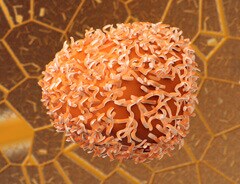
Common risk factors include advancing age, positive family history, and consumption of tobacco or alcohol.