The giants of Brazil dominated an era where Hungary flickered, West Germany emerged from the cold and football came home in 1966.
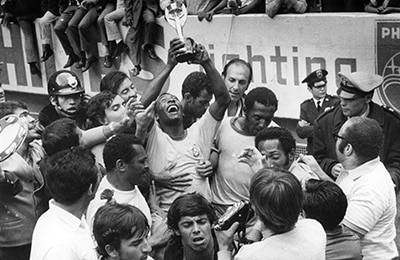
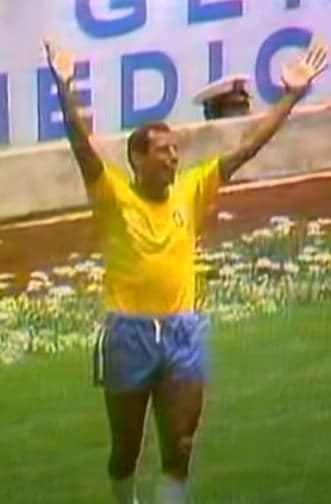
The victorious Brazil team after the 1970 World Cup final. Getty Images
Football was direct and physical when the Magical Magyars arrived on the scene in the 1950s. They could do what the best in the business did: Sandor Kocsis headed as well as anyone else and left-footers from Ferenc Puskas would test or beat goalkeepers from even 35 metres.
But they could also be dynamic and tactically innovative. Before the ideas gained currency, Nandor Hidegkuti played a deep-lying forward and in Gyula Grosics they had a sweeper-keeper.
The result: Hungary dominated world football scoring goals at will. Read more
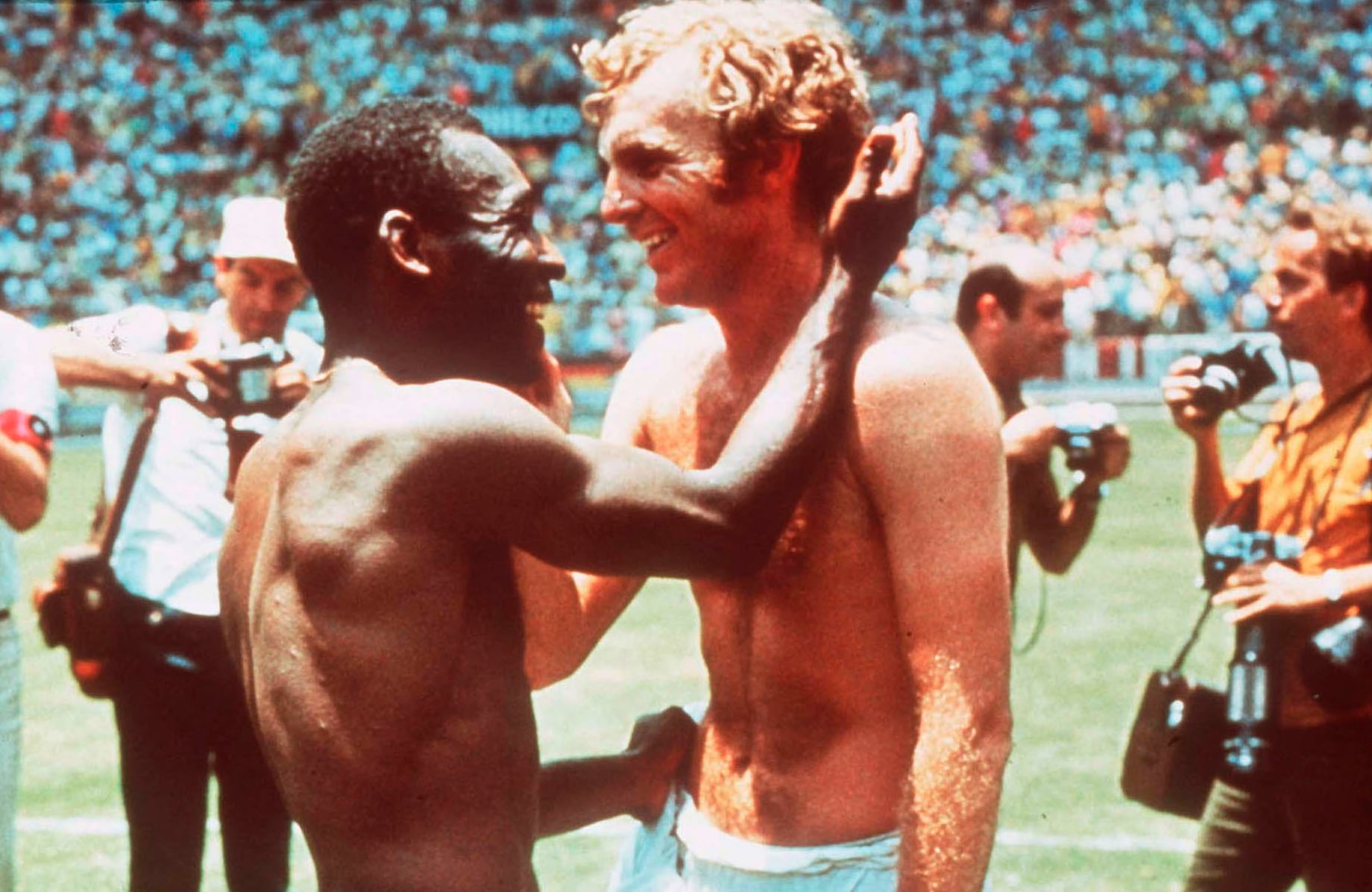
England captain Bobby Moore swaps shirts with Pele. Action Images / MSI
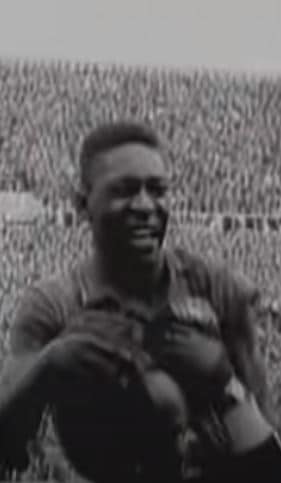
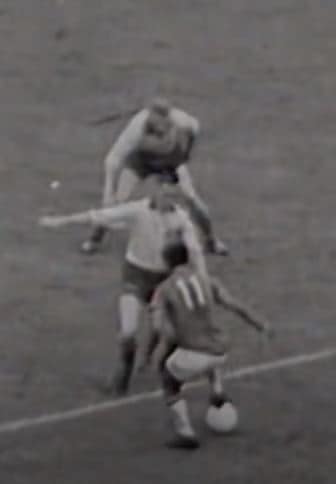
Pele’s legacy goes beyond what he achieved on the pitch for Brazil. For a country that was growing, he was a binding force, one who gave them hope and confidence. So wobbly did they feel without him that in 1961 the Brazilian government declared him the “official national treasure” to prevent him from being signed by top European clubs.
In Pele, a biopic on Netflix, former president Fernando Henrique Cardoso describes him as one who “rose to fame at the moment of Brazil’s birth as a modern country”. Read more
The era typified by the genius of Pele was not shorn of some exciting anecdotes. Here’s a look at some: Read more
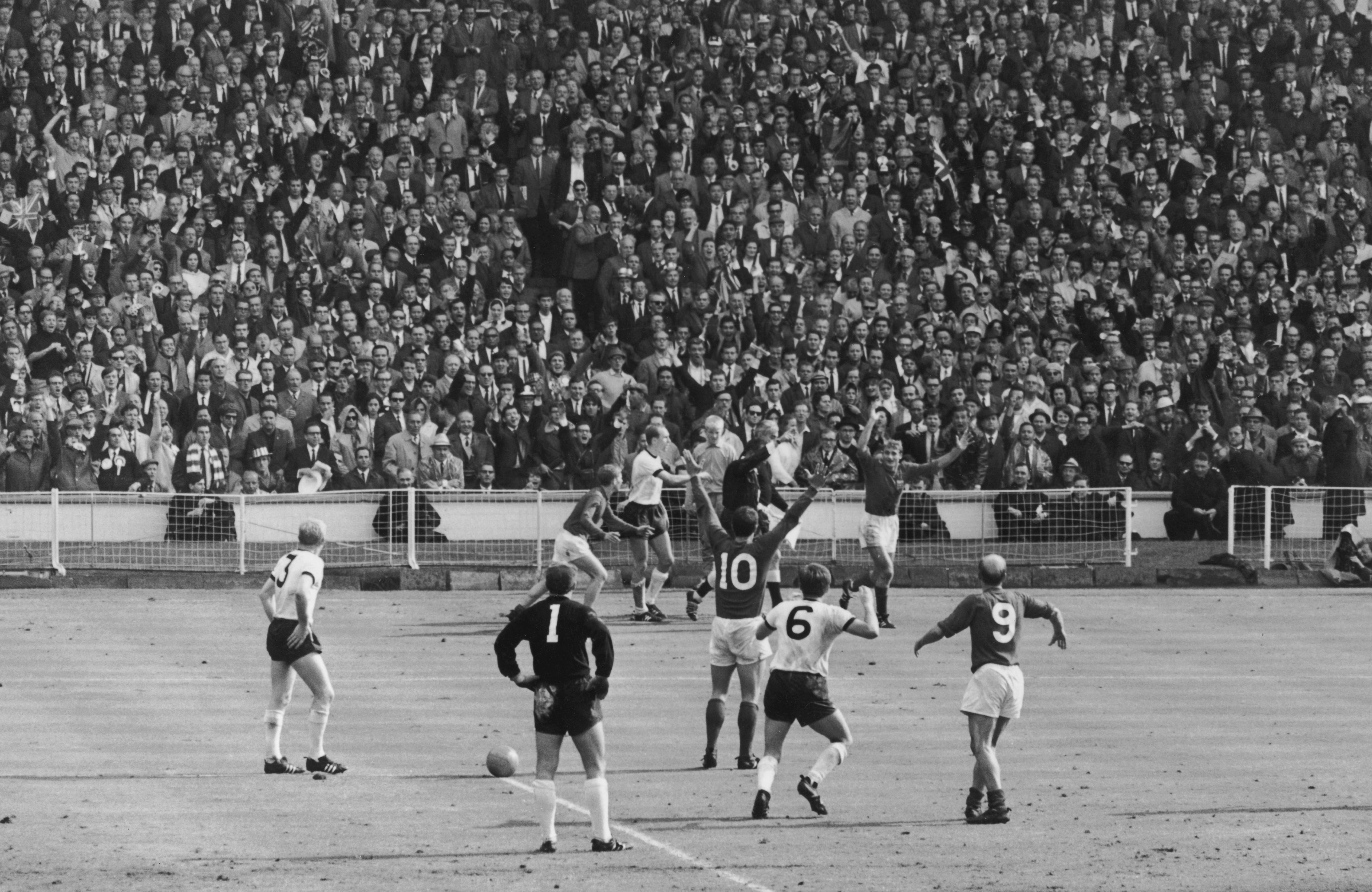
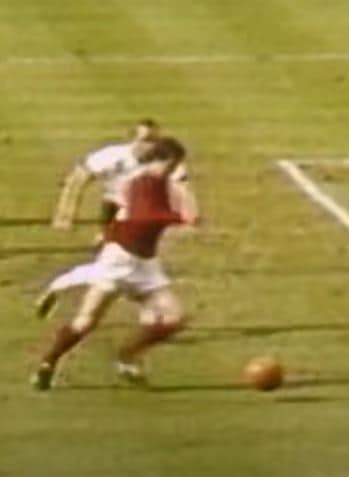
England celebrate Geoff Hurst’s goal in 1966 final. Getty Images