
Smaller screens, new platforms, the non-Hindi Hindi blockbuster: it’s been a decade of unrelenting change. As Bollywood re-examines its methods, some shifts are already visible. What role will the superstar play next? What happens to all the songs?
In 2013, Indian cinema marked 100 years; Dadasaheb Phalke’s Raja Harishchandra, India’s first feature film, was released in 1913.
The list of highest-grossing Hindi films in 2013 is testament to the flux the industry has undergone in the past decade. There’s a retelling of the life of Indian sprinter Milkha Singh (Bhaag Milkha Bhaag), a superhero film in a homegrown franchise (Krrish 3), an opulent Kutchhi adaptation of Shakespeare’s Romeo & Juliet (Goliyon Ki Raasleela Ram-Leela), and a new-age tale of romance that also serves as a reminder to savour the small pleasures (Yeh Jawaani Hai Deewani). Also on the list were four sequels: Dhoom 3, Krrish 3, Aashiqui 2, and Race 2. The remake, reboot, franchise and spin-off have come to dominate Bollywood. It’s a sign of just how much a slew of tectonic shifts has unsteadied the industry.
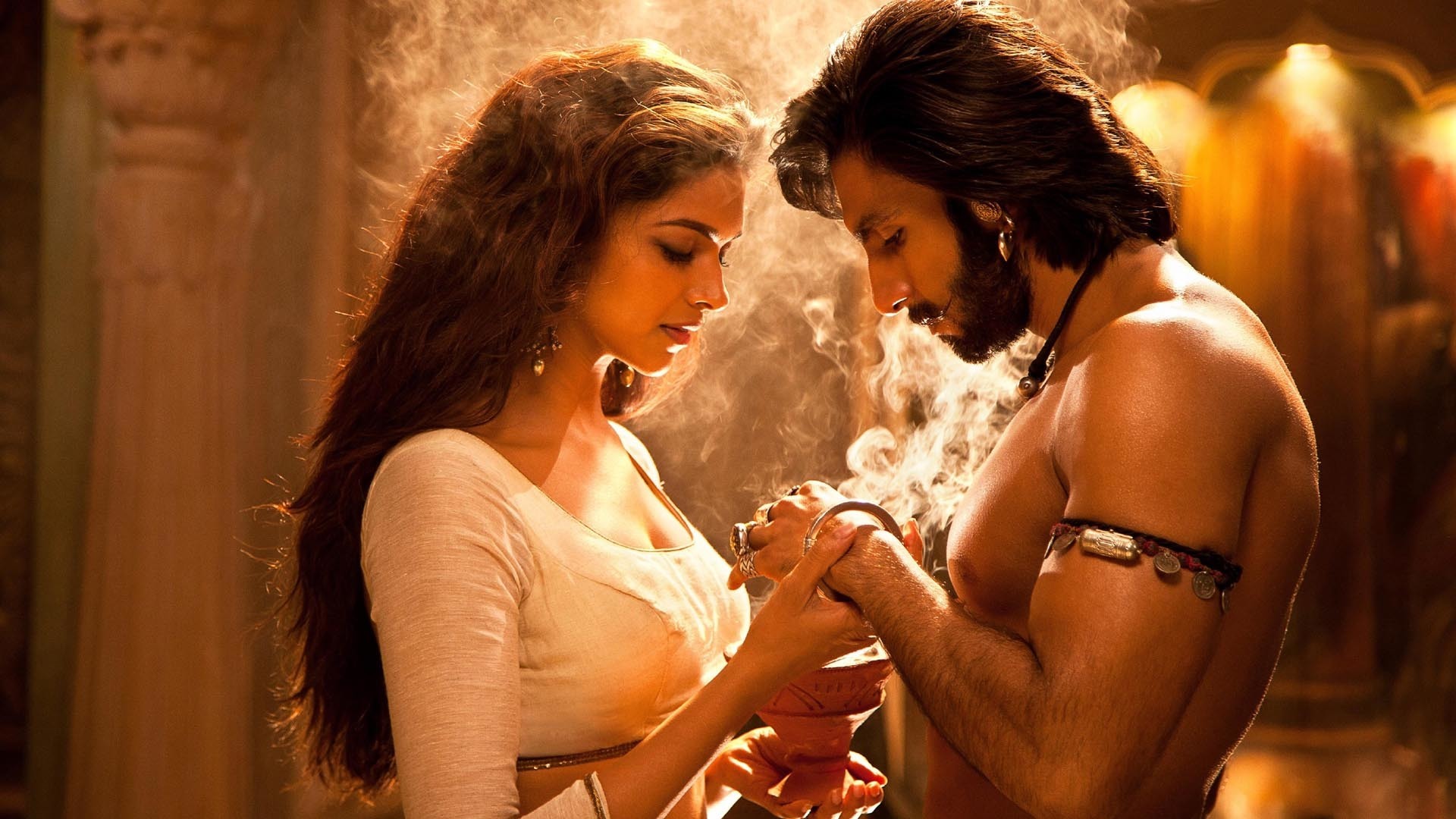
Deepika Padukone and Ranveer Singh in Sanjay Leela Bhansali’s opulent Kutchhi adaptation of Shakespeare’s Romeo & Juliet, Goliyon Ki Raasleela Ram-Leela.
It has, admittedly, been an onslaught of change. In the first decade of this century, online piracy coupled with high-speed broadband began to hit revenues. By the middle of the 2010s, streaming platforms had stormed the scene, turning the cellphone into almost as much of a screening space as the neighbourhood multiplex.
The edifice of the “ ₹100 crore club” began to totter, not because films weren’t hitting that mark, but because in attempting to do so, they were now spending many, many times that. Films such as Jai Ho (2014; Salman Khan) and Thugs of Hindostan (2018; Aamir Khan) are considered box-office failures despite making Rs 195 crore and ₹335 crore respectively.
And then a new battlefront opened up. Domestically, India’s highest-grossing film ever is the Telugu-Tamil bilingual Bahubali 2 (2017). As of mid-2022, of the highest-earning Indian films of all time domestically — a list typically dominated by Hindi blockbusters — the top three were Bahubali 2, KGF 2 and RRR, originally made in Kannada, and Telugu, and released as blockbusters in multiple languages, including Hindi. Aamir Khan’s Dangal (2016), at No 4, is the first Hindi film on this list.
Meanwhile, within the mainstream Hindi space, there’s been a diffusion at play. Star power, stories and audiences are all seeing a scattering of revenue and attention.
No one better represents this change than the Gorakhpur-born writer, director, producer and sometimes actor Anurag Kashyap. He went from telling dark and riveting new tales to producing an entirely new kind of small-budget blockbuster to creating a nursery for talent from across Hindi-speaking India, in the production house Phantom, co-founded with Vikramaditya Motwane, Vikas Bahl, and Madhu Mantena.
Kashyap’s greatest hits have included an audacious retelling of Devdas (Dev.D, 2009), a two-part multi-generational crime epic (Gangs of Wasseypur, 2012) and one of India’s first streaming hits (Sacred Games, 2018).
The year 2018 would be a turning point for Bollywood. Films helmed by all three Khans (Race 3, Thugs of Hindostan, and Zero) bombed. Small-budget works with no superstars and unusual tales were raking it in. Buddy-romance Sonu Ke Titu Ki Sweety (2018), starring Kartik Aaryan and made with a budget of ₹40 crore, earned ₹153 crore worldwide. Badhaai Ho (2018), a late-in-life pregnancy tale starring Ayushmann Khurrana and Neena Gupta, was made on a budget of ₹29 crore and earned more than ₹200 crore worldwide. Raazi (2018), an espionage tale starring Alia Bhatt (not yet a superstar then) and Vicky Kaushal, was made on a budget of ₹35 crore and earned ₹200 crore worldwide.
Two things then happened in the mainstream: Some filmmakers, confused and unsettled, decided to lean on stories that they knew worked. And so the sequels and biographies (so many sports biographies). Others took on the challenge in newer ways, telling tales focused on women, aging women, female sexuality, alternative sexualities.
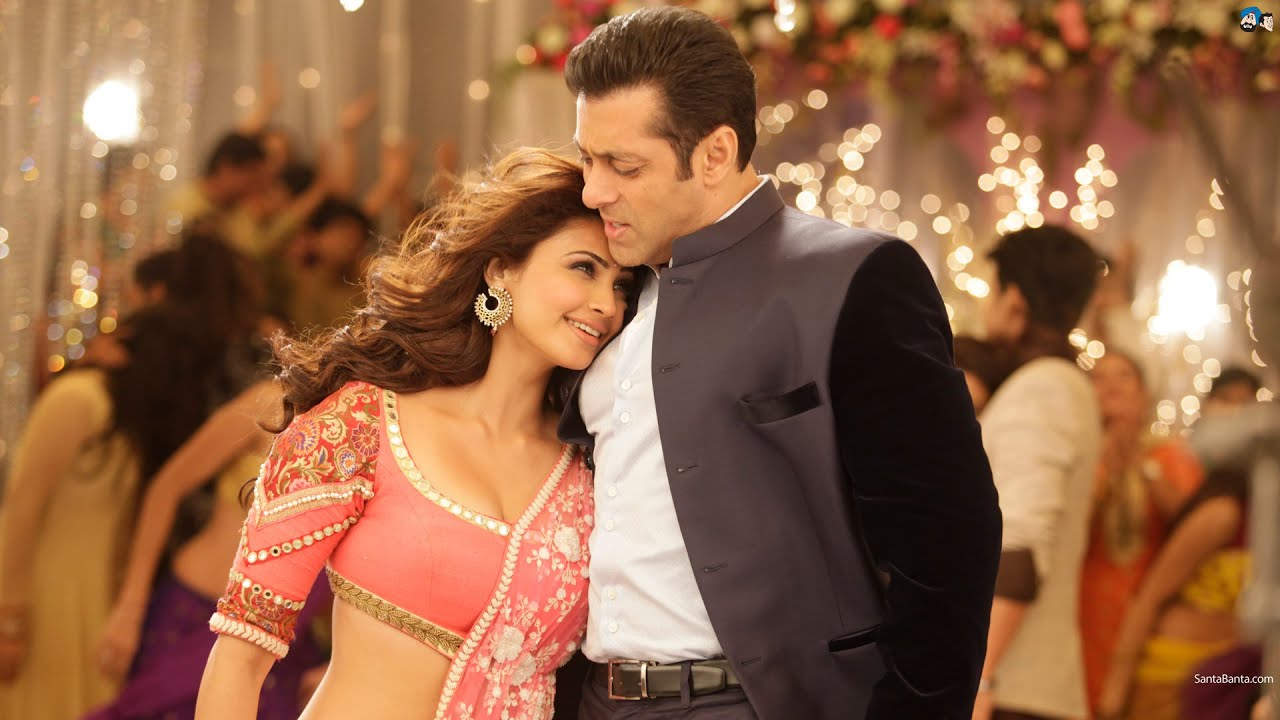
The edifice of the ₹100 crore club began to totter in part because so much was being spent on potential blockbusters. Salman Khan-Daisy Shah starrer Jai Ho (2014) is considered a failure despite making ₹195 crore.
In Shashanka Ghosh’s Veere Di Wedding (2018; Kareena Kapoor), characters talk about multiple orgasms. In Shubh Mangal Zyada Saavdhan (2020; Khurrana), two men kiss. This coincided also with a change behind the scenes, as more women began to enter the industry as writers, directors, producers and studio executives.
As mainstream Bollywood has sought to re-examine its methods, two major changes are already being felt. There is a decline in star power. All three Khans, Shah Rukh, Aamir and Salman, turn 57 in 2022, and no new superstars have emerged to take their place.
The other casualty has been the Bollywood song. There were barely a handful of soundtracks that stood out in this era. There was Kaminey (2009), for which Vishal Bhardwaj teamed up with Gulzar; Zindagi Na Milegi Dobara (2011), with music by Shankar-Ehsaan-Loy and lyrics by Javed Akhtar. The dominant trend is the repurposing of old songs, Punjabi songs or folk songs, all with an eye on “creating buzz” or offering the audience a new “dance number”. In a bid to generate these formulaic soundtracks — an item number, a dance, number, a ballad — multiple composers work on each soundtrack. While this has given a break to many talented musicians, the downside is that films don’t have a cohesive or even memorable sound.
Between the competition from streaming services, the non-Hindi Hindi blockbusters from the south and now the pandemic-triggered slowdown, efforts in the mainstream have intensified. There is the uber-machismo of films such as Simmba (2018; Ranveer Singh), Singham 1 and 2 (2011 and 2014; Ajay Devgn) and Sooryavanshi (2021; Akshay Kumar). There are the sports biopics. There is the period / history movie: Samrat Prithviraj (2022; Akshay Kumar), Bachchhan Paandey (2022; Akshay Kumar), Shamshera (2022; Ranbir Kapoor). The last three have been big-budget flops. Meanwhile, in the first eight months of 2022 alone, dubbed Hindi versions of south films such as Pushpa, RRR and KGF 2 outstripped their competition. There are some signs of a collaborative way forward. RRR had Ajay Devgn and Alia Bhatt in strong cameos. Shah Rukh Khan’s upcoming film Jawan (2023) is directed by Tamil filmmaker Atlee and will be released in Hindi, Tamil, Telugu and Malayalam.
Maybe the dream factory can dream another dream.
