
As the love story made a roaring comeback, new names, new voices, crowded the scene. After the “missing” years of the 1980s, the focus was back on the dance number, the item number, the song sequence.
There’s a certain magic to the opening notes of Kehna Hi Kya that makes audiences sit up. Bombay (1995) was AR Rahman’s second Hindi film as music director. He was 28. Like his debut Roja (1992), it had an original Tamil version and a unique sound.
Rahman would go on to produce a string of hits through the 1990s, in films ranging from Rangeela and Dil Se to Taal. In the 2000s, he scaled new heights with Pukar, Lagaan and Swades. He wasn’t alone. After a long lull, these were good years for Bollywood music. The early 1990s saw the return of melody, thanks to Nadeem-Shravan, Anand-Milind and Jatin-Lalit. Though Anand-Milind didn’t stay too long, the other two duos produced hit after hit. Jatin-Lalit, in fact, composed the soundtracks for two of the decade’s biggest hits: Dilwale Dulhania Le Jayenge and Kuch Kuch Hota Hai.
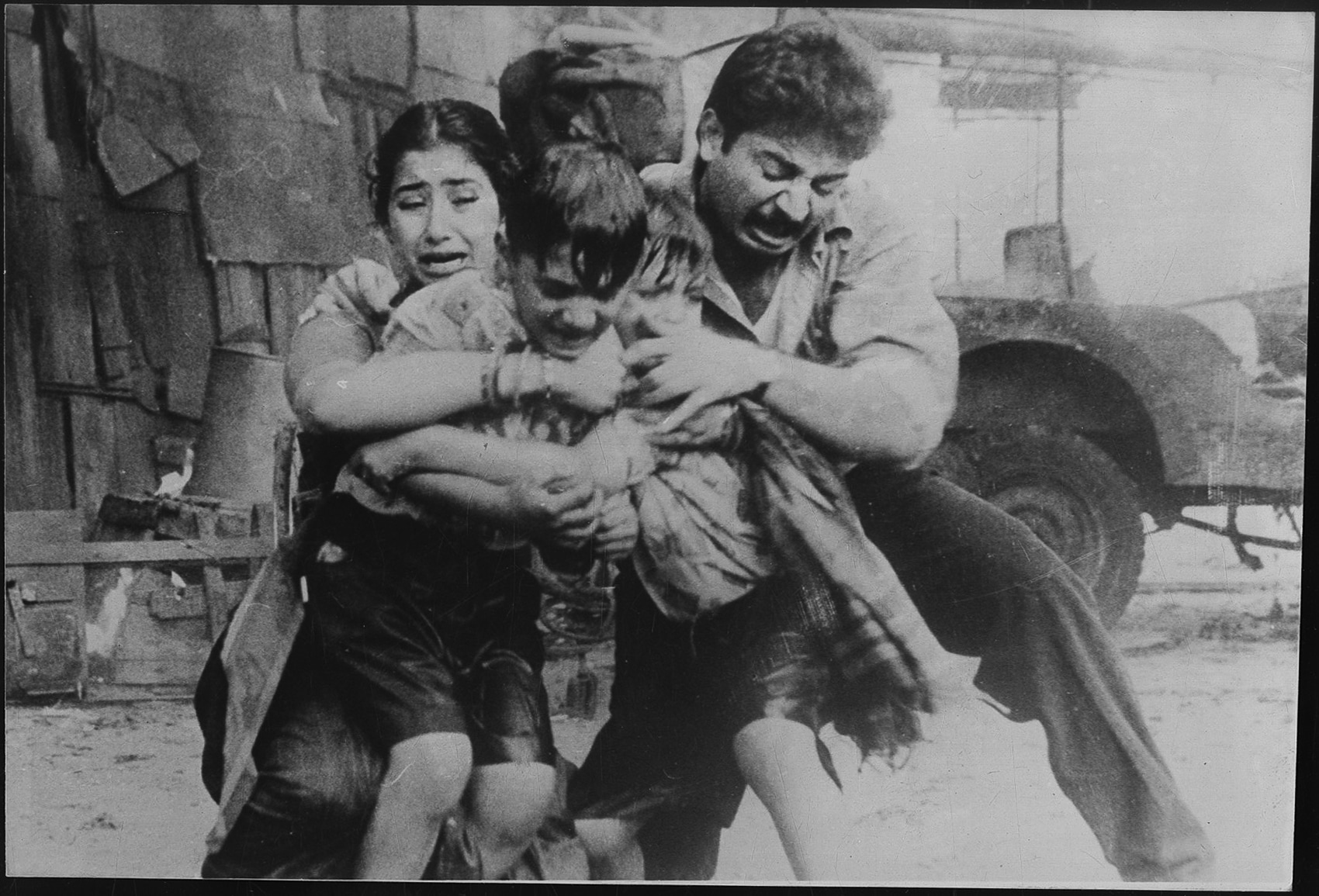
Bombay (1995) was Rahman’s second Hindi film as music director. He was 28.
Around the same time, Anu Malik — who had vanished following charges of plagiarism — made a comeback with Shah Rukh and Kajol dancing to Yeh Kaali Kaali Ankhen in Baazigar (1993). In 1996, Vishal Bhardwaj composed the music for Maachis, and in 1999, music director Ismail Darbar produced the blockbuster soundtrack for Hum Dil De Chuke Sanam. Similarly, Uttam Singh had Dil To Pagal Hai; Rajesh Roshan had Kaho Naa.. Pyaar Hai. There was also Indipop, with non-film music sweeping the charts.
From 1992 to 2000, the field was crowded. Popular voices included Kumar Sanu, Udit Narayan, Abhijeet, Alka Yagnik, Kavita Krishnamurthy and Anuradha Paudwal. Lyricist Sameer was prolific; Javed Akhtar and Gulzar were bagging prestigious projects.
From 2000 on, there was a drastic change. The older guard of Nadeem-Shravan and Jatin-Lalit faded out, and it was Rahman’s time to dazzle. Alongside, by the early 2000s, a new crop of music directors made an impact. Many of them had grown up on rock, modern jazz and world music, and used those influences in their sound. Vishal-Shekhar, Salim-Sulaiman, Sandeep Chowta, Aadesh Shrivastava and Pritam added variety to film music.
There was the trio of Shankar-Ehsaan-Loy, who composed the music for Mission Kashmir, Dil Chahta Hai, Kal Ho Naa Ho, Lakshya, Bunty Aur Babli and Taare Zameer Par, often working with lyricist Javed Akhtar.
As the box office boomed, more new voices got their first breaks, including Sonu Nigam, Shaan, KK, Shankar Mahadevan, Kailash Kher, Sunidhi Chauhan, Shreya Ghoshal. Alisha Chinai had one of the period’s biggest successes, with Kajra Re from Bunty Aur Babli (2005), with lyrics by Gulzar.
The growing popularity of Sufi music saw Pakistani musicians produce chart-toppers in Bollywood too. The legendary qawwal Ustad Nusrat Fateh Ali Khan composed music for Aur Pyaar Ho Gaya and Kachhe Dhaage before he passed away in 1997. Rahat Fateh Ali Khan, Ali Azmat, Atif Aslam and Shafqat Amanat Ali also featured.
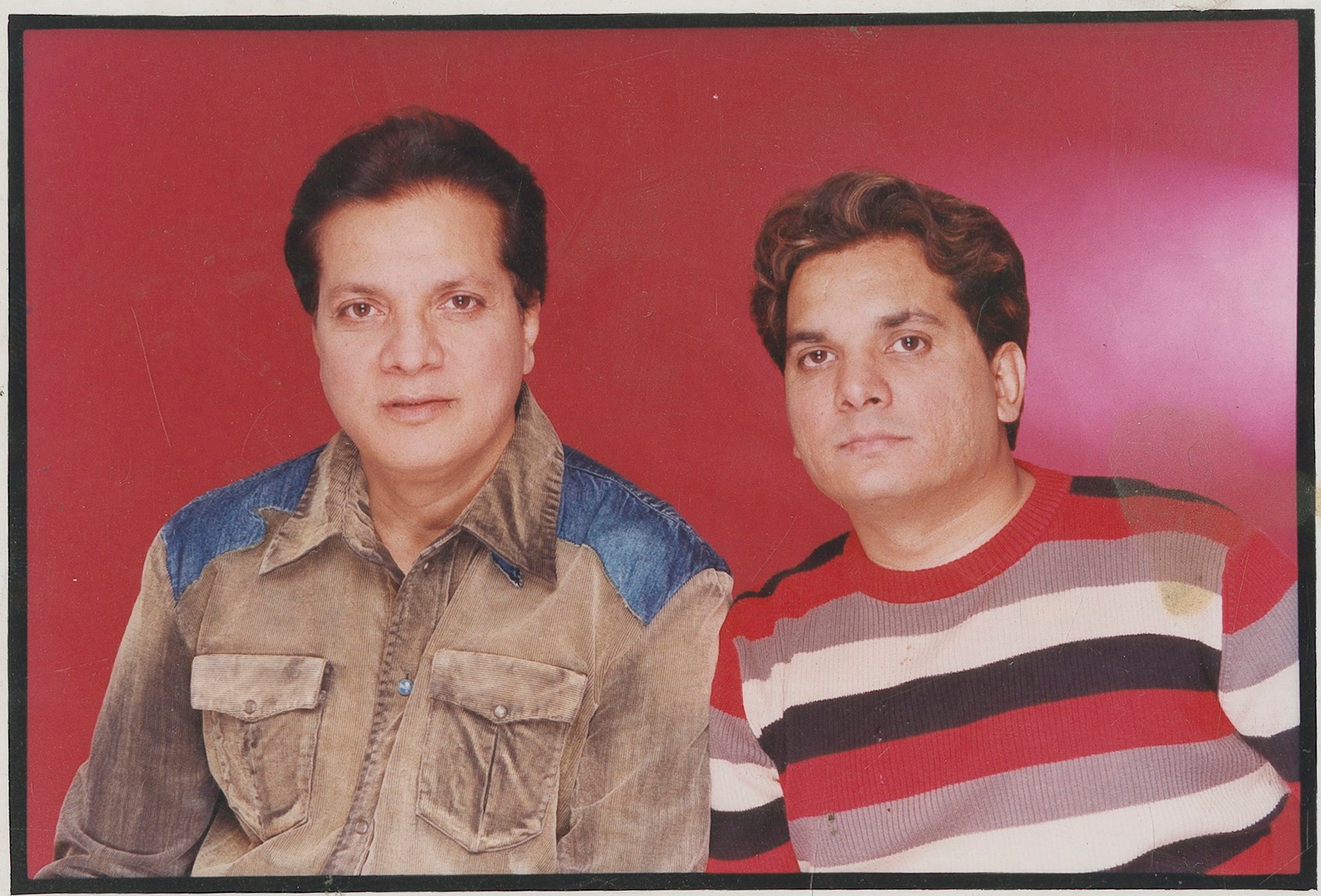
Jatin-Lalit composed the soundtracks for two of the decade’s biggest hits: Dilwale Dulhania Le Jayenge and Kuch Kuch Hota Hai.
Though Rahman dominated this era, it was, happily, a period of plenty. After the “missing” years of the 1980s, when music played such a minor role, the return of the love story, the boom of the NRI tale, and the blockbusters produced by the superstars Shah Rukh, Salman and Aamir Khan switched the focus back to the dance number, the item number, the song sequence. Finally, the music was on again.
