
 E-Paper



More tourists make a beeline for Himachal’s offbeat destinations
In a fast-emerging trend, visitors are ditching popular hill towns for underexplored locations, homestays; an approximate 72 lakh tourist arrivals recorded till May end

 Prefer HTon Google


With tourism picking up pace across the state, countryside destinations and homestays have fast-emerged as the favoured choice for those making a bee line for the hills this year.
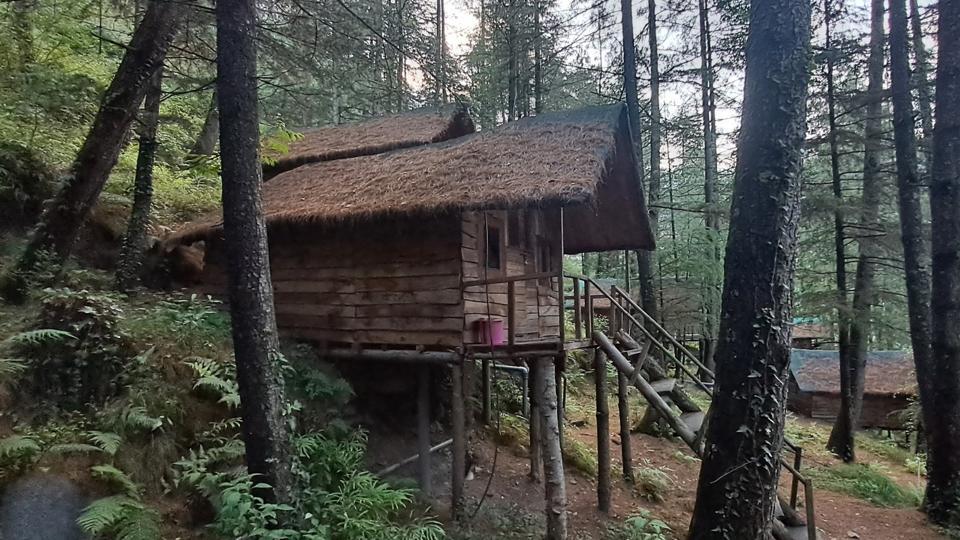
More than 10,000 vehicles entered Himachal through the Parwanoo border on Saturday, most of which were headed to homestays in Mashobra, Kufri, Fagu, Narkanda, Theog, Kotgarh, Kotkhai and Rohru — essentially looking beyond Shimla, the erstwhile tourist favourite.
Homestays in and around Kinnaur, Naggar near Kullu, Manali and Parvati Valley have also attracted visitors in droves this year.
Approximately 72 lakh tourists have visited the state till May end, according to the figures of the state tourism departm.ent. Their interests, however, are fast changing.
An opportunity sensed
Looking to make the most on the trend, apple orchard owners have begun turning their houses into homestays.
“My homestay is packed to full capacity, I am getting more and more queries every day,” says Atul Mehta, the owner of Deodar Cottage in Kotgarh, known for its apple production, a fruit introduced to the region in 1916 by an American missionary Samuel Evan Stokes.
Having launched his homestay a few years ago, Mehta turned his house at the orchards into a homestay that has now gained traction.
Tourist footfall has increased in recent years at such homestays, given that they provide visitors a slight insight into the local life.
“We converted our house into a homestay five years ago, and we have offered local Kinnauri cuisines in the homestay,” Kalpana Negi, in Kalpa.
The same has also boosted the rural economy, stakeholders say. “The younger generation is keen to visit the mountains in the rural areas. It’s surprising that the tourists visiting Kinnaur and Spiti prefer to take a stop at Narkanda; they no longer stop in Shimla,” says Rajat Jamwal, the outdoor head of Adventure North. “Road facilities have improved in rural areas and it has given a push to the rural economy.”
A sudden spurt
“The demand for homestay accommodation has grown manifold in recent years. Homestays abutting Shimla municipal limits are offering rooms at a very low price and paying very high commissions to online travel companies. The hotels are hardly having 40 to 50% occupancy that too on heavily discounted tariffs,” Himachal Pradesh Tourism Stakeholders Association president Mohinder Seth said.
Such has been spurt that hoteliers admit being hit. “Homestay units are being run by non-professionals. The kind of discounts they are giving creates unhealthy competition, which on the one hand hits the hotel industry and affects the government exchequer. There is no hotel which is not paying GST, but these homestay units are hardly paying any taxes,” Seth said, adding that there is a need to add more tourist attractions in Shimla to draw the tourists back.
Backpackers’ haven
The remote Pangi valley, which borders Jammu and Kashmir and is home to the Pangwala tribe and runs parallel to the Pir Panjal range with the Chenab river meandering through a deep and narrow gorge, has also gained popularity among backpackers and adventure tourists. Its potential, however, is yet to be tapped amid infrastructural deficiencies.
There are more than 20 homestays registered in the remote valley. In comparison, there are more than 800 registered homestays in Lahual and Spiti districts, a spurt attributed to the opening of the Rohtang tunnel in 2020.
What lies ahead?
Addressing the growing popularity, chief minister Sukhvinder Singh Sukhu said the state government plans to actively consider framing a new tourism policy to enhance visitor experiences by promoting lesser-known destinations across the state.
The CM said work to increase tourist influx in the state from three to five crore within the next five years is underway. “Nature has blessed Himachal with unprecedented grandeur and there was a need to tap this potential to the maximum to increase the footfall of the tourists,” he said.


