
 E-Paper



National Green Tribunal disbands its committee monitoring pollution in Ghaggar river
Tribunal directs administrative heads of Punjab, Haryana, Himachal Pradesh and Chandigarh to take over the task, says oversight by its panel ‘cannot be a permanent feature’


The National Green Tribunal (NGT) has disbanded its committee headed by retired high court judge Pritam Pal for monitoring pollution in the Ghaggar river and directed the administrative heads of Punjab, Haryana, Himachal Pradesh and Chandigarh to take over the task.
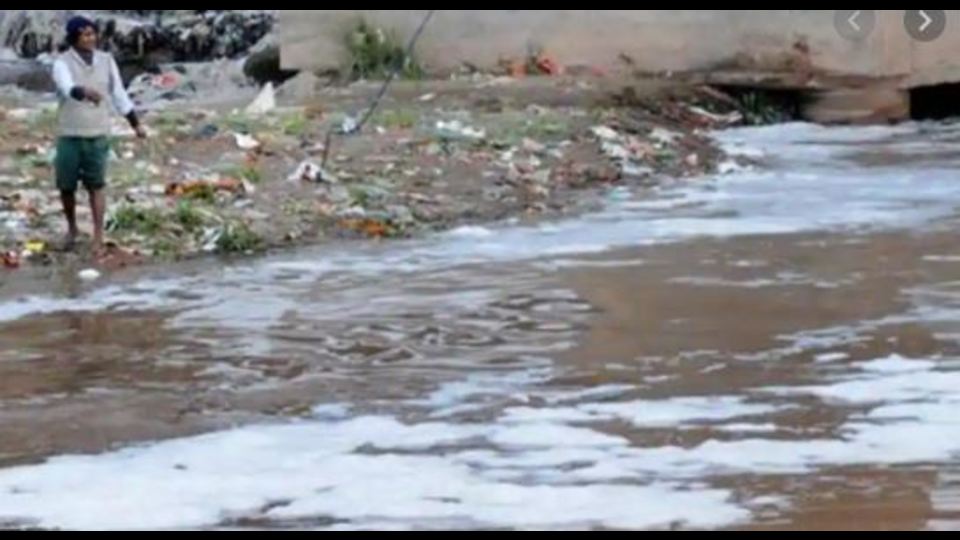
Monitoring by the tribunal or its committee “cannot be a permanent feature”, said a bench on Tuesday while disposing the main petition on pollution in the river that originates in HP and then passes through Haryana and Punjab.
“It is finally for the states to take ownership of the problem at hand and take strict measures to provide a clean environment to their citizens and protect natural resources like water, air and soil for the current and future generations,” the order said.
In January, the tribunal had also disbanded its committee for monitoring pollution in the Sutlej and Beas rivers in Punjab. The panel had slapped a fine of ₹4.15 crore on 15 industrial units in the three states and the union territory last year.
In November 2020, the tribunal had expressed its displeasure with the three states and the UT for their failure to implement the recommendations of committee to control water pollution in the river.
The bench in its latest order said the respective chief secretaries or other administrative heads should personally monitor the progress of compliance at least once in a month.
“The chief secretaries while reviewing the status of various issues may focus on timely completion of the ongoing works and send quarterly reports to the central monitoring committee of Union jal shakti ministry which deals with the issue of restoration of 351 polluted river stretches, including the rivers in question,” added the tribunal.
It appreciated the panel for its “significant contribution to controlling pollution” in the Ghaggar through recommendations.
There still are huge gaps in capacity and functioning of the sewage treatment plants, common effluent treatment plants, reuse of treated water for irrigation, preventing dumping of solid waste, industrial pollution, preventing direct discharge of pollution in the drains and rivers, it observed.