
 E-Paper



Spice of Life: Little extra to child’s play than what meets the eye
As children we unknowingly display values, such as compassion, integrity, respect, and collaboration. We embrace the idea of inclusivity by not leaving anyone out, even those struggling to fit in.


Child’s play is often seen as carefree and effortless, but it encompasses much more than what meets the eye. This struck me while watching children playing in the street on a sunny afternoon.
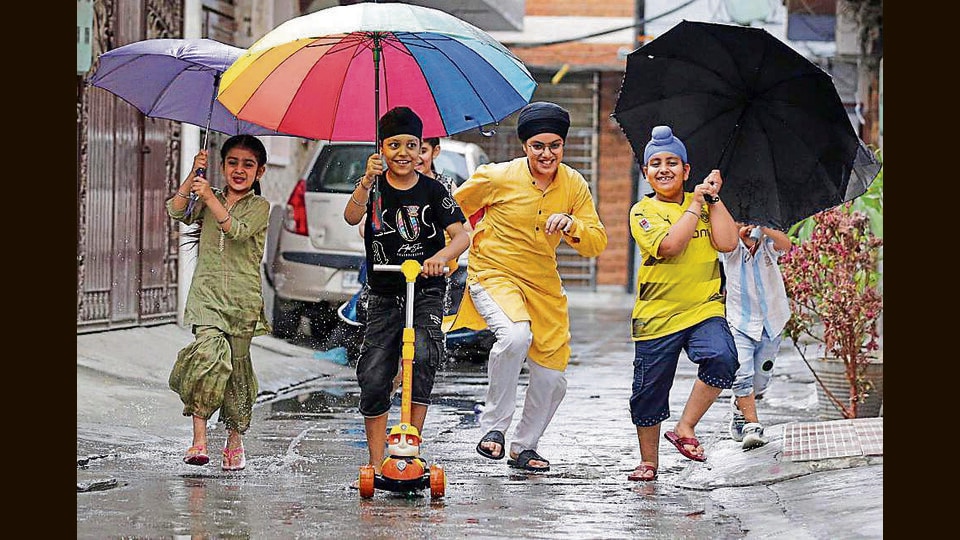
As children we unknowingly display values, such as honesty, compassion, integrity, respect, and collaboration. We embrace the idea of inclusivity by not leaving anyone out, even those struggling to fit in. The experience made me realise how we tend to forget the significance of these values as we grow older.
It was a pleasant weekend after the long harsh winter when I happened to hear the cheerful chatter of the children in the street. Intrigued, I kept my eyes closed, trying to catch the drift of their conversation and decipher the game they were playing.
One child would call out the name of a colour, followed by a flurry of footsteps as the others scattered in every direction. Amid the commotion, a timid and stammering voice of a toddler could be heard repeatedly uttering the word yellow.
Driven by curiosity, I walked to the rooftop parapet to watch them play. The children, aged between six and eight years old, were immersed in a self-created game. A child would loudly announce the name of a colour and the rest would run in every direction, searching for objects of that colour. The children took turns so everyone got a chance to announce a colour.
All this while, a three-year-old boy followed them around, repeating “yellow”.
The toddler’s seven-year-old sister told me that the little one was yet to start school and would only say yellow when asked to name a colour.
What struck me was how the other children, instead of belittling or disregarding the toddler’s limitations, embraced him wholeheartedly. They eagerly rushed towards any yellow object they found, ensuring that he didn’t feel left out. What a beautiful lesson in inclusivity! It was evident that this game with peers would help the toddler eventually learn the names of the other colours.
Their actions transported me back to my childhood. We would gather to play cricket in the field behind our neighbourhood. The younger siblings and cousins of some of our group members would often tag along, eager to participate. Despite knowing that their presence could potentially affect the game dynamics by joining a team, we never made them feel excluded. Instead, we embraced the concept of “Billi Sanjhi”, a common member who plays for both teams as an extra player. This not only ensured the smooth flow of the game but also allowed the younger ones to learn and improve their skills while playing alongside us.
The writer is HT’s Ludhiana bureau head. He can be contacted at tsdeogan@gmail.com
