E-Paper



DTC to train e-bus drivers in a bid to curb accidents
DTC has also decided to suspend the license of drivers for at least six months if they are found guilty of causing the crash

 Prefer HTon Google


The Delhi Transport Corporation (DTC) has decided to take over the training of drivers of electric buses from private operators in a bid to curtail accidents involving e-buses, according to officials aware of the matter.
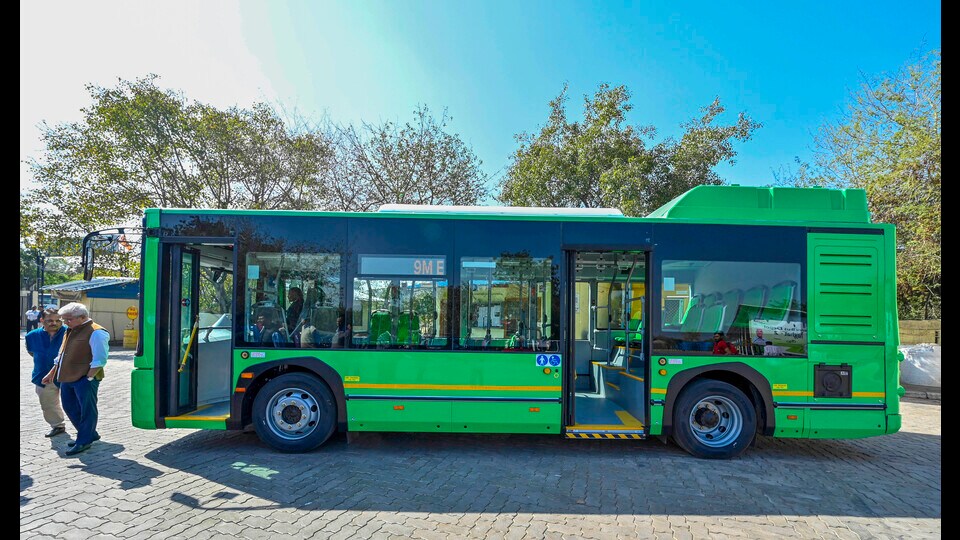
DTC has also decided to suspend the license of drivers for at least six months if they are found guilty of causing the crash. Officials said that at least eight minor crashes have been reported in the last month involving e-buses.
Officials said that the recurring crashes were giving a “bad name” to the electric bus service, though no fault has been found in the buses. In the most recent crash on Tuesday, an e-bus rammed into a stationary e-bus in Naoroji Nagar, southwest Delhi, injuring two men.
“We have come across multiple cases now where there was no fault of the bus or external situations and a clear lack of training of the drivers, due to which the crashes occurred. This is only spoiling the reputation of the department and the e-bus service. We will cancel the licenses and file a complaint with the police in such cases. For now, we are immediately taking over the training of drivers,” said Shilpa Shinde, managing director of DTC.
Currently, two private e-bus operators in Delhi are responsible for the supply of buses, along with their operation and maintenance, which includes training and hiring drivers, employed on a contractual basis. The main difference between electric and CNG buses is that of the gearbox, officials said. Unlike manual CNG buses, e-buses are automatic and do not have a clutch or gears. Officials said the crashes often occur because untrained drivers are not used to driving automatic vehicles. Additionally, there are a few switches that are not concerned with the operational requirements while driving.
“It is observed that the e-bus drivers are unable to perform duties properly and accidents are occurring repeatedly. To curb the accidents, e-bus training needs to be imparted to all drivers,” said the letter sent to the operators, a copy which HT has seen.
Officials said the drivers will now be trained at the Nand Nagri depot by 14 trainers in batches of 120 for six days by DTC and will be given a certificate at the end. Additionally, daily records of the drivers will be maintained to fix accountability. A unique ID number will be issued by the training centre while issuing the certificate that will also keep records such as the name and address of the driver, driving license, date of birth, mobile number, operator number and training period for proper monitoring.
Officials added that a syllabus has been prepared under which two days of theory and four days of practical driving classes on the road will be conducted. This is similar to the training being given to all cluster bus drivers. Two e-buses will be used for the practical classes that will be fitted with dual brake control systems. These two buses will be taken from the Mundhela Kalan bus depot.
“The private operators keep untrained drivers and give deadlines of completing 120-130km in eight hours. This is why the drivers are also in a rush and often do not stop at smaller bus stops. In many buses, the speed governors are also not functioning properly, which needs to be investigated. The Delhi government is just waiting for a big incident to occur,” said Manoj Sharma, general secretary of the DTC employee’s union.