
 E-Paper



Economic survey: Delhi govt added 3.8k hospital beds during Covid pandemic
Sisodia said all of Delhi’s adult population has already received one dose of the Covid vaccine and around 90% have received their second dose.


To augment the Capital’s fight against the Covid-19 pandemic, the Delhi government increased beds across its various hospitals to 13,844 from 10,055 nearly two years ago, finance minister Manish Sisodia said while presenting the outcome budget on Friday.
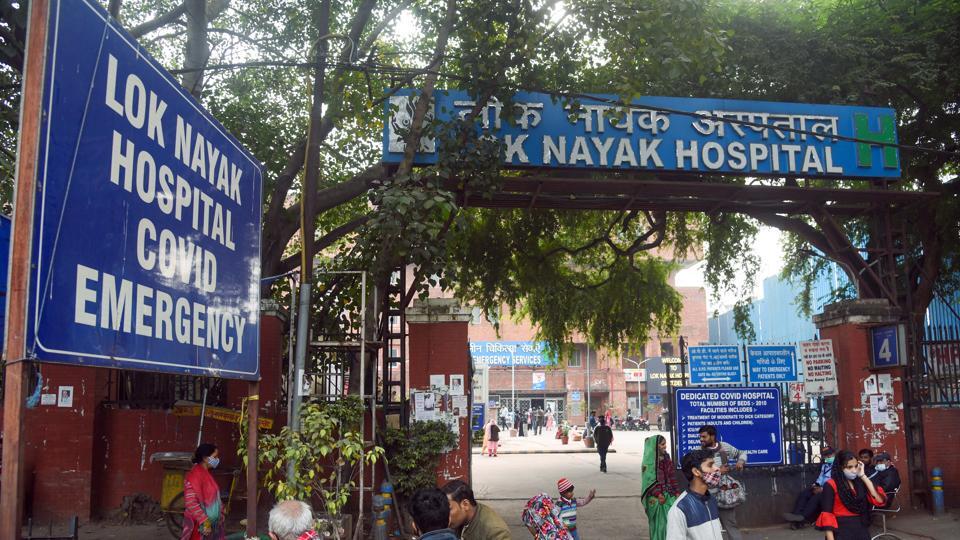
In his speech on Friday, Sisodia, who is also the deputy chief minister, said that the government has been working towards improving the health care infrastructure since the Covid-19 pandemic broke out in Delhi in March 2020. Quoting from the outcome budget, Sisodia said that from 10,055 hospital beds in 2019-20, the government increased the number of beds to 13,844 by December 2021.
The government also added additional oxygen beds in their hospitals, with the outcome budget showing an increase from 3,865 beds in 2019-20 to 9,243 beds till December last year.“This is permanent infrastructure which will continue to help Covid patients,” the minister said.
Giving an update about the Covid vaccination programme in the city, Sisodia said all of Delhi’s adult population has already received one dose of the vaccine and around 90% have received their second dose. Apart from this, around 70% in the 15-18 age group have also received both the doses, which Sisodia said was the highest in the country.
The augmentation of the Capital’s health care infrastructure was also highlighted in the economic survey.
The economic survey of Delhi 2021-22 showed that three hospitals — Ambedkar Nagar Hospital, Indira Gandhi Hospital and Burari Hospital — were started exclusively for Covid patients between 2020 and 2021. The document showed that 11 hospitals, including seven Covid facilities, were either under construction or in the planning stage.
The Delhi government has also decided to remodel around 15 existing hospitals, the economic survey said.
“Proposal for five new hospitals at Bindapur, Baprola, Deendarapur, Keshavpuram and Sangam Vihar are at the planning stage. Around 16,000 new beds will be added after completion of new hospitals and remodelling of the hospitals,” the document read.
Sisodia also said that 520 Aam Aadmi Mohalla Clinics have treated over 14.4 million patients from April to December 2021.
“Average footfall in mohalla clinics across Delhi is 60,000 patients per day. According to a survey conducted directly with 2,500 patients who visited mohalla clinics, 90% said they are satisfied with the services at mohalla clinics. More than 85% of patients reported that they waited less than 20 minutes before meeting a doctor,” said Sisodia.
Health experts said there is a need to improve healthcare infrastructure, especially in the post-Covid era.
“With the Covid pandemic, we have realised how important a robust healthcare infrastructure is for a city. Governments need to focus their efforts on healthcare so that we do not see a repeat of the Delta wave,” said Dr KK Talwar, former head of the Medical Council of India, who was also heading the Punjab government’s expert group on Covid during the second wave of the pandemic.
