E-Paper



MCD to conduct Delhi’s first community dog census in 14 years
The last concerted effort at assessing the number of community dogs in the city was undertaken by the erstwhile South MCD in 2016, in which only four zones under the corporation were covered

 Prefer HTon Google


The Municipal Corporation of Delhi (MCD) plans to soon undertake a citywide survey to assess the number of community dogs on the streets of the Capital, senior officials confirmed on Sunday.
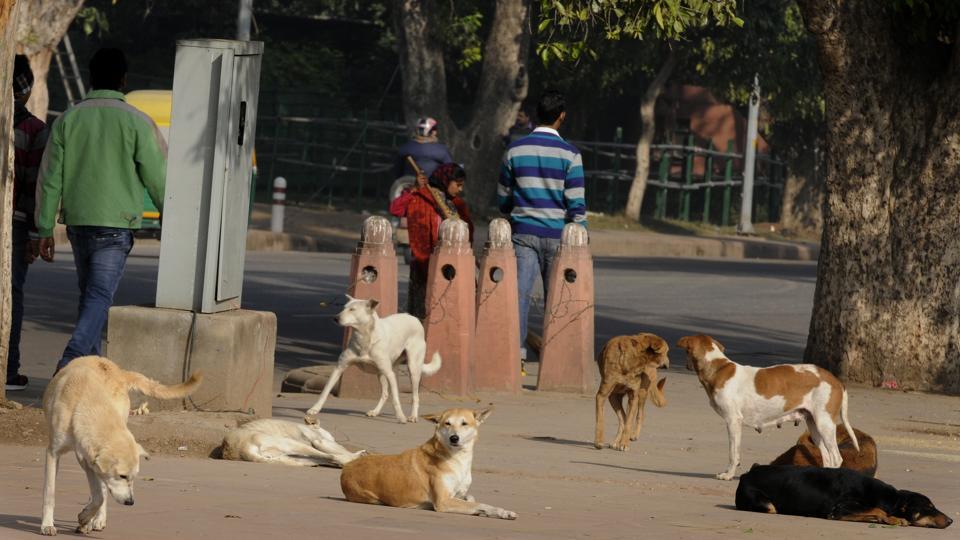
The civic body is completely in the dark about the city’s canine population — the last survey of community dogs by the unified MCD was carried out in 2009, when their number was found to be 560,000. Experts believe that in the 14 years since then, their population is likely to have greatly increased.
A senior official from the MCD’s veterinary department said, “We are preparing the initial bid documents to invite requests for proposals to undertake a dog census in the city. By the end of this year, we plan to have a better view of the population and distribution across the city’s 12 wards.”
Former Union minister Vijay Goel, who is organising a seminar to find solutions in this sector on May 10, said that currently, there are an estimated 600,000 community dogs in the Capital. “The MCD can only carry out their sterilisation, but it is not being carried out at right scale,” he said.
Meanwhile, Gauri Maulekhi, an animal welfare expert, said that rather than counting dogs, the MCD should to conduct an audit of their existing 16 ABC (Animal Birth Control) centres and evaluate their performance. “We have recently submitted a report to the commissioner about rampant corruption and cruelty in most of these centres, which is counter-productive for result-oriented dog population management. An absence of tagging leading to inevitable relocation of the dog. In the past few years, MCD may have released payment for sterilisation surgeries which may be more than the population of Delhi. The conflict of interest is leading to inaction and continued corrupt and inefficient practices,” she said.
Community dogs are territorial, serve as guard dogs, and keep the rodent population down. But some turn violent (often because some residents abuse them) and can bite passersby and young children. These dogs can’t be exterminated or simply shipped out; there are legal restrictions against both.
The last concerted effort at assessing the number of community dogs in the city was undertaken by the erstwhile South MCD in 2016, in which only four zones under the corporation were covered. However, these four zones alone had more than 189,000 community dogs — only 40.3% of the males and 27.8% of the females were sterilised.
A sub-committee constituted by the Delhi Assembly in 2019 had estimated that population of community dogs in the city was around 800,000.