E-Paper



To prevent theft, PWD uses PVC to cover electricity panels on streetlight poles
The PVC sheets are made of the same material that constitute wire coverings, and thus do not have a high resale value, according to PWD officials

 Prefer HTon Google


The Public Works Department (PWD) has now started using PVC – a cheap, durable and high-strength thermoplastic material – to cover electricity panels on streetlight poles that were being frequently reported stolen due to the high resale value of the galvanised iron used earlier.
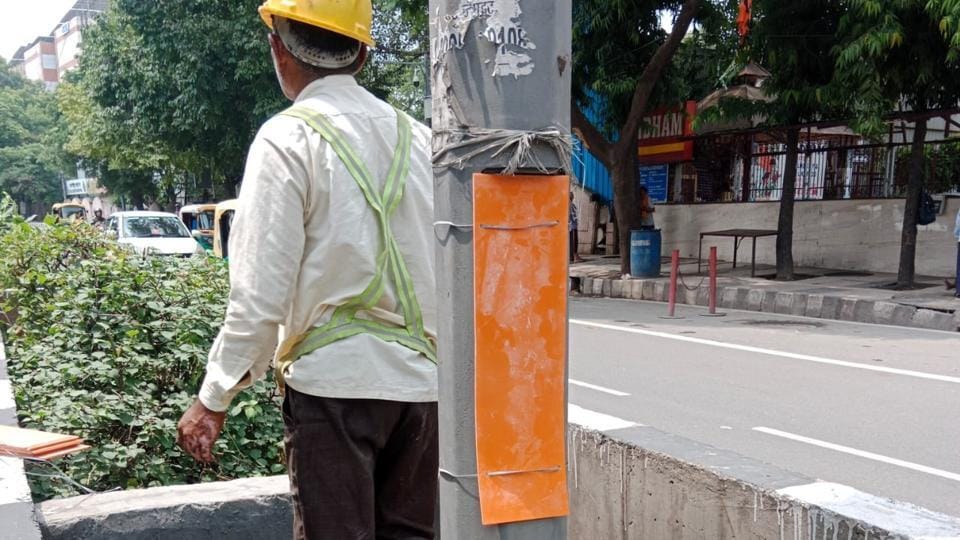
The PVC sheets are made of the same material that constitute wire coverings, and thus do not have a high resale value, according to PWD officials.
Over 25,000 junction boxes, located around 4-6ft high on streetlights, have been covered using PVC sheets so far across the city since the move started two weeks ago. PWD is exploring if these sheets, that are shock-proof and relatively cheaper, can manage to stay on the poles.
“The junction boxes in streetlights are where all electric connections are and it needs to be opened for repairs. These were made of galvanised iron earlier but got stolen every few days. We then tried hard plastic covers but they also got stolen. Now we are trying out these PVC rubber-like sheets by tying them with ropes. These have almost no resale value and can at least temporarily prevent water from entering during rains or birds from getting in and making their nests,” said a PWD official.
These orange fire-proof PVC sheets that come in large rolls have been cut in smaller pieces and fixed using metal wires. Officials said that if these are not stolen, the material will be used to create permanent panel covers and will be made water-proof by fixing rubber stoppers.
Meanwhile, PWD is also working on getting covers made with reinforced fibre for these poles that will not fetch any value if stolen and sold. Officials said that hard covers made of Fibre Reinforced Plastic (FRP) with reflective tape and PWD embossed on it, are also being made.
“FRP also has minimal resale value and the embossing will ensure that it is not reused anywhere. The material is relatively low cost and will last at least five years,” said the official.
On July 31, the PWD released Standard Operating Procedures (SOPs) for the rainy season that had section on precautions to avoid electrocution. It mentioned that there are instances of regular theft of cover of poles etc. and such areas should be protected regularly by covering with tapes, covers etc.
“The instances of theft/damaged of electrical/civil assets in the ROW of PWD roads should be regularly reported to the Delhi Police. Areas where there are more chances of theft, CCTV cameras may be installed, if possible,” the SOPs added.
Officials said that since the directions, most of the exposed circuit boxes have already been covered with PVC sheets.