
 E-Paper



Court allows survey of Gyanvapi mosque premises, dismisses plea against it
The court was hearing the petition filed by the AIMC challenging the July 21 order of the Varanasi district court for a survey of the barricaded area of the Gyanvapi mosque premises by the ASI

 Prefer HTon Google


The Allahabad high court on Thursday dismissed the petition filed by the Anjuman Intezamia Masjid Committee (AIMC) challenging a district court’s order dated July 21 by which the court had directed Archaeological Survey of India (ASI) to survey the Gyanvapi Mosque premises.
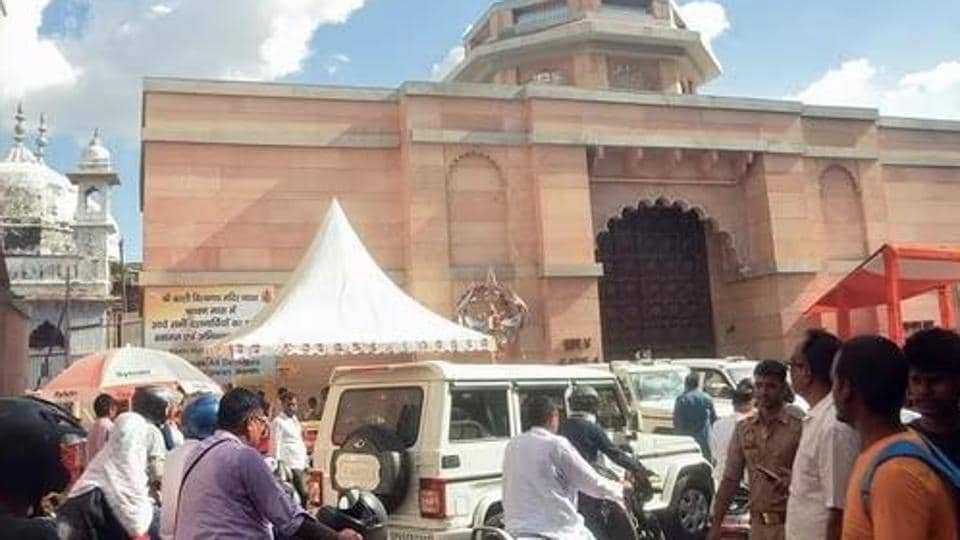
Earlier, ASI had filed an affidavit that survey won’t damage the mosque premises.
Chief justice Pritinker Diwaker while dismissing the petition filed by AIMC said that there is no reason not to believe what is stated by ASI in it’s affidavit.
The stay granted earlier was vacated thereby ASI can now proceed with scientific investigation of the area as directed by the district judge Varanasi while allowing the plea of the Hindu Side, the high court said.
Chief justice Pritinker Diwaker had on July 27 reserved judgment after hearing counsel for the parties in the case. The court had said that the stay order granted earlier by Supreme Court will operate until delivery of the judgment and had fixed August 3 for the same.
The court was hearing the petition filed by the AIMC challenging the July 21 order of the Varanasi district court for a survey of the barricaded area of the Gyanvapi mosque premises by the ASI.
Also Read: Seal Gyanvapi to protect ‘Hindu symbols’: New pleas filed in UP
The Gyanvapi dispute dates back decades, but on July 21, while hearing a petition by four Hindu women, the Varanasi district court directed ASI to conduct a comprehensive survey, using dating, excavation and ground penetrating radar (GPR) techniques, of the plot where the mosque stands, next to the Kashi Vishwanath temple. The district judge, however, excluded a section – where the Hindu side claims a Shivling was found and the Muslims say the structure is part of a fountain – that has remained sealed since a Supreme Court order in May 2022.


