
 E-Paper



‘Violative of fundamental rights’: Bombay HC quashes ban on Goa Christian couple
The court further noted that the state has a duty to extend all possible protection to its citizens, through free speech and the freedom of expression, enshrined in Article 19(1) of the Constitution of India to indulge in public discourse and to propagate religious practice


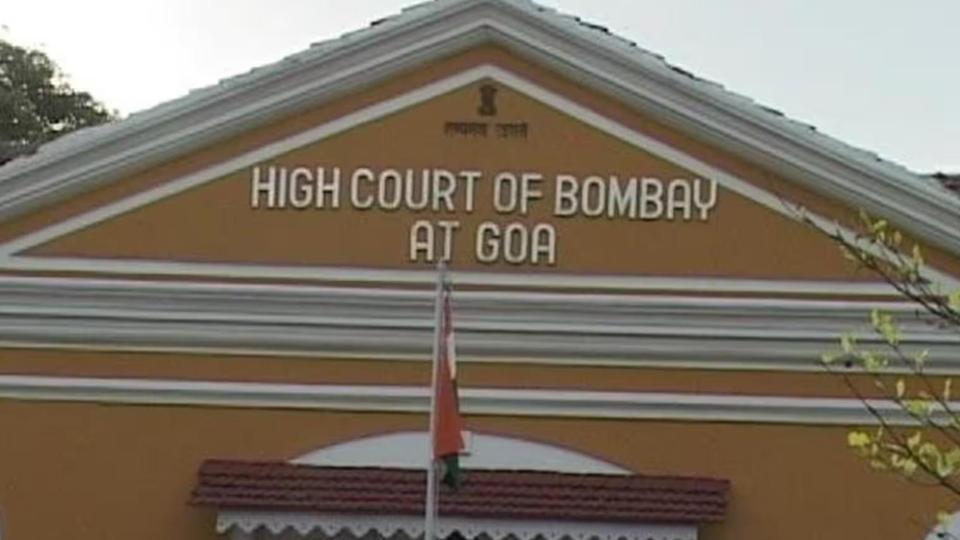
The high court of Bombay at Goa has quashed and set aside the order passed by the North Goa district magistrate banning Christian pastor Domnic D’Souza and his wife Joan Mascarenhas from carrying out religious activities.
The couple, who run a self-titled Christian denomination styled as the Five Pillars Church, which they founded, were banned by the North Goa administration from carrying out “religious activities” at their Church in the North Goa village of Sodiem Siolim, following complaints about religious conversion at the premises.
Mascarenhas had approached the high court challenging the order passed by the North Goa magistrate on December 12, 2022, under Section 144 of the Code of Criminal Procedure banning them from carrying out religious activities at the private institutional residence.
Also Read: St Kabir’s derecognition: HC notice to Chandigarh on school body’s plea
The high court while setting aside the order ruled that it was violative of fundamental rights as guaranteed under sections 19, 25 and 26 of the Constitution, as well as, was passed without there being any material on record to justify the order.
“The article (of the constitution of India) guarantees to all persons, the equal entitlement of freedom of conscience and the right to profess, practice and propagate religion. The right conferred upon a citizen to profess and propagate religion correspondingly casts a duty on the state and the executive to ensure that every person should be allowed to freely practise, preach or profess his belief,” rule the high court bench of justices M S Sonak and Valmiki Menezes.
The court further noted that the state has a duty to extend all possible protection to its citizens, through free speech and the freedom of expression, enshrined in Article 19(1) of the Constitution of India to indulge in public discourse and to propagate religious practice. “All persons have a fundamental right to form institutions, purchase property for their use and to profess and propagate religion,” it said.
“By claiming to exercise jurisdiction under Section 144 of the Code and prohibiting the petitioner (Joan Mascarenhas) and Domnic from carrying out any religious activities on their property is a direct violation of their fundamental rights enshrined in Article 19(1), Articles 25 and 26 of the Constitution of India, as it seeks to deny them both of their freedom of speech and expression and to their freedom of conscience and the right to freely profess, practice, propagate their religion or form religious institutions,” the high court bench stated.
In defence of the order, the state had relied on a report provided by the Mapusa police inspector, who reported eight first information reports registered against D’Souza and Joan Mascarenhas, from the year 2009 to the year 2022 and said that the duo were organising public gatherings to carry out religious activities, “including activities of forceful conversions, in the name of prayer and healing, at the premises… owned by them and that such activities have caused incidents of serious law and order situation in the village.”
Also Read: Supreme Court halts scientific survey of structure inside Gyanvapi
However, in response, the petitioners pointed out that they are yet to be convicted in a single case and have even been acquitted in one, discharged in another, while in a third the police filed a closure report saying misappreciation of facts.
“The material referred to by the superintendent of police are cases from the period as far back as the year 2009 which have either ended in acquittal or in the Police themselves filing a C Summary report, or are pending trial; all these cases are stale causes… and have no live nexus with the case at hand or requirement for an urgent order in terms of Section 144 of CrPC., which demonstrate any imminent danger or disruption of public tranquillity or requirement for the passing of prohibitory orders to maintain public order,” the High Court observed, adding “We find no complaint or any reference to any act of the petitioner which would amount to using force, coercion or deception to convert any members of the public to a particular religion.”