
 E-Paper



‘Fight will continue to keep Dr Narendra Dabholkar’s ideology alive’
Dr Dabholkar along with other like-minded people founded the Maharashtra Andhashraddha Nirmoolan Samiti (MANS) in 1989


PUNE A decade has passed since the demise of rationalist Dr Narendra Dabholkar, yet his legacy and the zeal of his anti-superstitious movement continue to spur change and create a lasting impact on the society
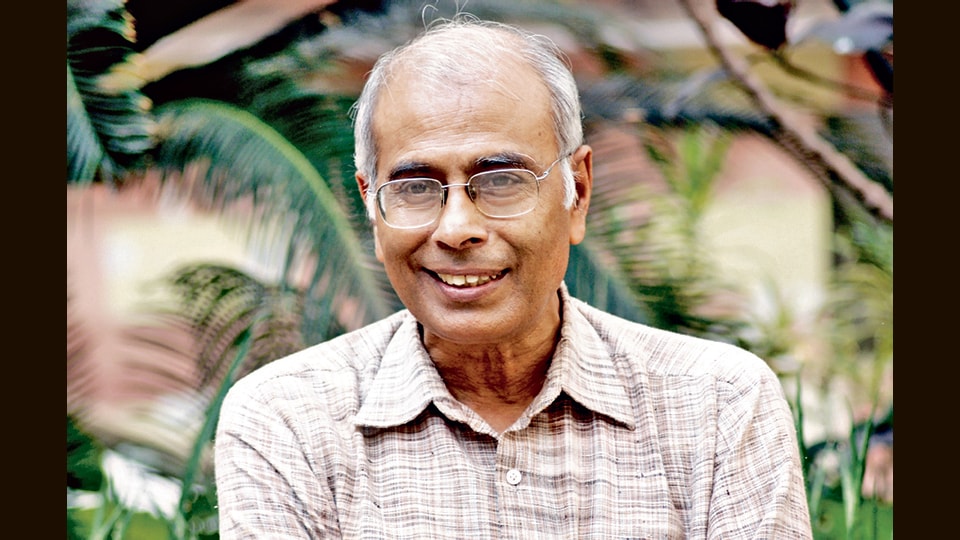
Dr Dabholkar was shot dead while on a morning walk on the Omkareshwar Bridge in Pune city on August 20, 2013.
Dr Dabholkar along with other like-minded people founded the Maharashtra Andhashraddha Nirmoolan Samiti (MANS) in 1989. MANS is an organisation striving to combat harmful superstitions and rituals and instil a scientific mindset among the masses through its 310 branches spread throughout rural and urban Maharashtra.
According to members, before 2013, MANS had 2,000 members and the current number has increased to 5,000 which indicates Dr Dabholkar’s mission has flourished.
In 1983, Dr Dabholkar started working for the eradication of superstition. He had been advocating a bill to eradicate superstitions in the state but only after his demise the government in December 2013 promulgated an ordinance ‘Maharashtra Prevention and Eradication of Human Sacrifice and other Inhuman, Evil and Aghori Practices and Black Magic’.
“As of now, more than 1,000 cases have been registered under this Act in the state. After Maharashtra, Karnataka has also implemented the Anti-Black Magic Act but because of lack of implementation, they are far behind us,’’ said Mukta Dabholkar-Deshpande, daughter of Dr Dabholkar.
According to MANS members, because of the mass anti-superstition movement in Maharashtra, there is moral pressure on the administration to act voluntarily in such cases without wasting much time.
Underlying the importance of MANS movement now people from many states like West Bengal and Kerala are demanding a similar law in their state.
According to MANS, earlier Dr Dabholkar’s work was only limited to Maharashtra and for the Marathi people, but after his demise, his 15 books were translated into Hindi and published by Rajkamal Publication.
“Taking inspiration from our fight against superstitions here in Maharashtra, people from Chhattisgarh have also started Chhattisgarh Andhashraddha Nirmoolan Samiti and now they are also advocating for Anti Black Magic Act,’’ said Hamid Dabholkar, son of Dr Narendra Dabholkar.
The Maharashtra Prohibition of People from Social Boycott (Prevention, Prohibition and Redressal) Act, 2016, took shape and was implemented in 2017 with the efforts taken by members of MANS. The Act has led to the dismissal of several jaat (caste) panchayats with the help of police and judiciary.
Dabholkar’s family, colleagues, and supporters have launched several programmes like ‘Viveki Jodidar Nivad’ to develop scientific temper among youths while choosing a partner. Under this, MANS focuses on medical, physical and mental aspects instead of matching Kundali while looking for a partner.
In another programme ‘Manas Maitre’ MANS approach people to maintain mental health and offer them ‘Emotional First Aid’ so that they do not get trapped in superstitious activities.
Through the ‘Samvidhan Mulya Campaign’, MANS works to develop constitutional temperament among the youths. These programmes, started after 2013 are now getting good responses from people specifically youths.
According to MANS office bearers, after the murder of Dr Dabholkar, the approach of the people to look at MANS has changed. They have understood the importance of our work, said members of MANS.
Mukta said, “Earlier several people raised objections, but now they understand the importance of our work.”
Dabholkar’s followers engage at the grassroots level and work directly with communities to foster change in society. They organise rallies, public demonstrations, and interactive sessions to challenge and debunk irrational beliefs.
As the movement enters the next decade, it continues to adapt and evolve, grappling with complex socio-cultural dynamics and striving to strike a balance between respect for tradition and the promotion of rationality.
“Our fight will continue. Even if we face hurdles or political pressure our fight against the eradication of superstitions will continue,” said Hamid.