
 E-Paper



PMC cracks down against projects over air pollution
Among these, 91 sites have been served stop-work orders for failing to implement mandated dust mitigation measures


Stop work notice to 91 sites
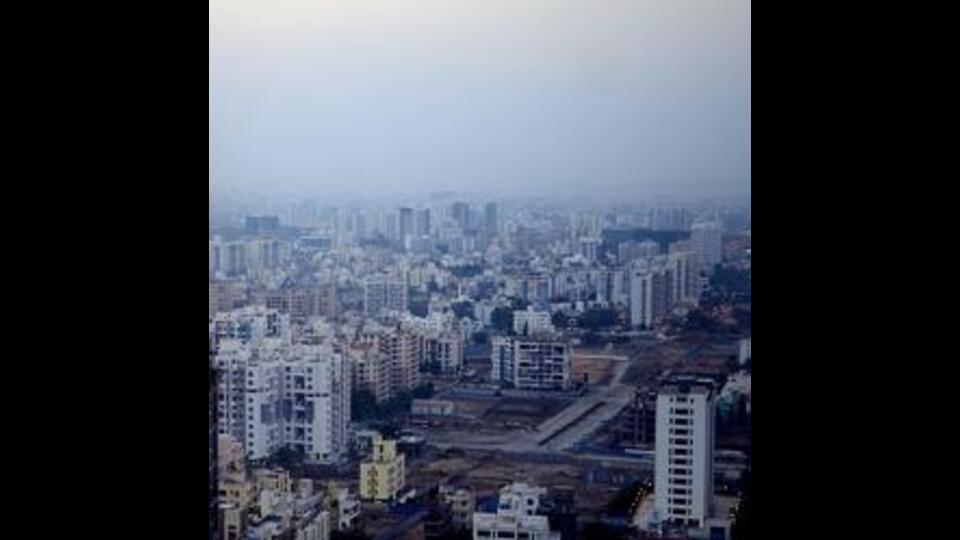
As Pune grapples with deteriorating air quality, the Pune Municipal Corporation (PMC) has intensified its efforts to enforce dust control measures at construction sites. In a crackdown that began on Wednesday, the civic body inspected projects across the city, issuing notices to 158 construction sites for non-compliance. Among these, 91 sites have been served stop-work orders for failing to implement mandated dust mitigation measures.
Over the past month, Pune’s air quality has consistently remained under the “moderate” category, with the Air Quality Index (AQI) fluctuating between 100 and 200.
On Friday, air quality in Pune was recorded at a moderate level with the AQI at 137. As per the IITM- AQEWS data, Shivajinagar recorded AQI at 169, Katraj 110, Nigdi 104, Kothrud 96, Karve Road 131, Katraj Dairy 131, SPPU 104, Wakad 123, Pashan 80 and Lohegaon 131.
According to civic officials, construction dust accounts for 30 to 40 per cent of the city’s air pollution. To address the issue, PMC had earlier directed developers and architects to strictly follow the dust control guidelines issued by the Maharashtra Pollution Control Board (MPCB).
Inspections conducted by PMC’s Building Permission and Construction Department across six administrative zones revealed significant lapses. The highest number of violations were reported in Zone 1, which includes Lohgaon, Hadapsar, Keshavnagar, and Pisoli, with 36 cases. Other zones, such as Zone 2, comprising Katraj, Sinhagad Road, and Ambegaon, recorded 15 violations, while Zone 4 (Yerawada and Kalyaninagar) and Zone 6 (Aundh and Baner) reported 16 and 20 cases, respectively. Zone 3, covering areas like Vimannagar and Pune Station, saw fewer issues with just four violations.
City engineer Prashant Waghmare said the action was necessary as pollution levels in Pune have steadily risen. “Construction projects were instructed to reduce dust, and specific measures were shared with developers. However, many sites failed to implement these measures, leaving us with no choice but to act,” he explained.
Superintendent engineer Surendra Karpe confirmed that the inspections are ongoing, and more developers could face action in the coming days. “We have issued show-cause notices and stop-work orders based on our findings. The survey will continue to ensure compliance with the rules,” Karpe said.
Meanwhile, an office bearer of the Confederation of Real Estate Developers’ Associations of India (CREDAI) Pune chapter dismissed the possibility of major violations by its members. “We have repeatedly advised our members to follow the guidelines, including installing sprinklers and using GI sheets and green nets around construction sites. CREDAI members strictly adhere to these measures and cannot afford losses from halted work. The PMC issuing notices to our members seems unlikely,” he said.
This crackdown comes amid growing concerns over the health implications of air pollution, which have drawn the attention of both the judiciary and government authorities. Last year, the High Court directed major cities, including Pune, to submit a report detailing measures taken to curb pollution. With the November deadline for submission approaching, PMC officials have ramped up their efforts to bring erring developers into compliance.
The guidelines issued by the civic body include installing high metal sheets around project boundaries, using green nets to contain dust, and sprinkling water regularly at construction sites. Developers are also required to monitor air quality using sensor-based devices and cover structures with wet green cloth or jute sheets to minimize dust escape. Non-compliance with these measures invites penalties or stop-work orders, as seen in the latest round of action.