
 E-Paper



State fails to improve key child health indicators as per National Family Health Survey
The state average for stunting, wasting, severe wasting and also underweight, have not seen any noticeable changes in the past five years. Despite a few districts reporting a declining trend in the number of children reported as underweight, there are many that still need attention with regards to all the four primary indicators of child health


PUNE In the past five years, as per a report from by the National Family Health Survey (NFHS), the state average for important indicators with regards to children aged under 5 years has not seem any change, despite measures put in place.
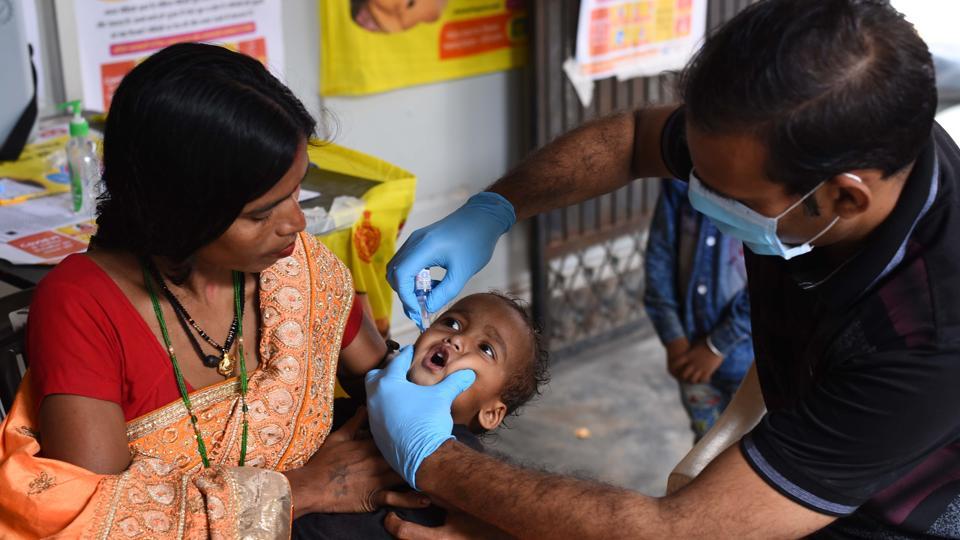
The state average for stunting, wasting, severe wasting and also underweight, have not seen any noticeable changes in the past five years.
Despite a few districts reporting a declining trend in the number of children reported as underweight, there are many that still need attention with regards to all the four primary indicators of child health.
The NFHS survey happens four years in Maharashtra.
The basic indicators for the health of a child is dependent on stunting, which is children who are short of height in proportion to their weight and age; wasting, which is loss of body weight in proportion to the height of the body; and severe wasting which is wasting in increased proportion - this could be loss of body mass; and lastly underweight, when the weight of the child is below the expected weight for a particular age. These are the primary indicators used to conclude if a child is healthy.
As per NFHS 4 report for 2015-16 and then 2019-20, the state average for stunting went from 34.4% in NFHS 4 to 35.2% in 2019-20, while the same for wasting went from 25.6% in the previous survey to now 25.60%, for severe wasting it went from 9.40% to 10.90% and for underweight kids the numbers went from 36% to 36.10%. These despite the state taking several measures to ensure that the national and state-level health programmes are in place on the ground.
Comparing data from the NFHS 4 report and NFHS 5 reports, some of the districts that have performed well in the past five years are Akola, Jalna, Jalgaon, Beed, Gadchiroli, Gondiya, Nashik, Osmanabad, Raigad, Satara, Solapur, Washim and Yavatma, which have shown a decline in the number of weak children in at least three of the four parameters.
While districts that have not shown positive results are Ahmednagar, Amravati, Aurangabad, Bhandara, Chandrapur, Mumbai island, Palghar, Pune, Ratnagiri, Sangli, Sindhurdurg and Buldhana, all of which showed a continued negative trend in at least three of the four trends.
Rubal Agarwal, commissioner at the Integrated Child Development Scheme (ICDS) said, “The centre has praised our work in 12 districts which showed a decline in the number of underweight children and our efforts have definitely worked on the ground. The good thing is that multiple districts have shown a positive change and now we have to focus only on those that are reporting a decline.”