
 E-Paper



Bihar caste census must be foolproof
The focus of the authorities must remain on the uphill statistical, social and data collection challenges ahead. The caste census must be careful not to repeat the mistakes that rendered the Socio-Economic Caste Census data on caste groups unusable

 Prefer HTon Google


The first phase of the caste-based census kicked off in Bihar over the weekend, in which surveyors will number each household in their respective areas for counting. This phase, which is scheduled to end on January 21, will list all the households in the state according to a prescribed format and upload the information on an online portal. This will form the basis of the second phase, to begin from March, where data pertaining to people of all castes and religions will be collected. Nearly 350,000 enumerators, who began training on December 15, will fan out across the state and also record information about the financial status of all citizens.
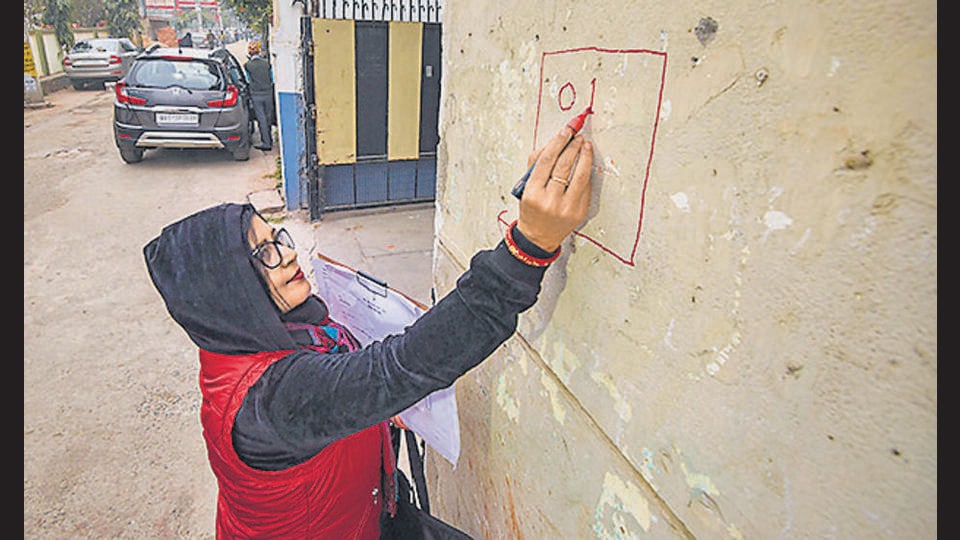
It is difficult to ignore the political backdrop against which this significant and controversial exercise is taking place. The alliance of the Rashtriya Janata Dal and Janata Dal (United) is pushing for the caste census because it believes it can fortify its base of backward and Dalit communities, and forestall the electoral advance of the Bharatiya Janata Party (BJP). More importantly, in a political lexicon where the national hegemon appears to have stitched together a rainbow coalition of Hindus across castes, a physical count of castes – not published in independent India and attempted only once, unsuccessfully – that can reveal shifting patterns, can potentially overturn the BJP’s juggernaut, or so the Opposition believes.
Yet, the focus of the authorities must remain on the uphill statistical, social and data collection challenges ahead. The caste census must be careful not to repeat the mistakes that rendered the Socio-Economic Caste Census data on caste groups unusable. Survey design, questions, and the role of enumerators must be carefully crafted and stringently monitored. Adequate independent oversight must be exercised to ensure that subtle differences in caste groups from region to region, or across languages, are suitably captured. In a process so imbued with political overtones, the science and rigour of surveying must take precedence.


