
 E-Paper



Diversity and inclusion are sources of strength
While India remains in contention for other medals, there is a lesson in Ms Chanu and Ms Borgohain’s success

 Prefer HTon Google


With weightlifter Saikhom Mirabai Chanu’s silver medal, India got its first win in the Tokyo Olympics. PV Sindhu’s bronze has given India a second medal. And boxer Lovlina Borgohain’s success assured India of a third medal. And while India remains in contention for other medals, there is a lesson in Ms Chanu and Ms Borgohain’s success. The former is from Manipur (as is Mary Kom, a previous Olympic winner who lost out narrowly this time around) and Ms Borgohain is from Assam. The lesson is not just how the Northeast is a potential hub for sporting excellence — it is indeed and must be developed — but how diversity and inclusion helps.
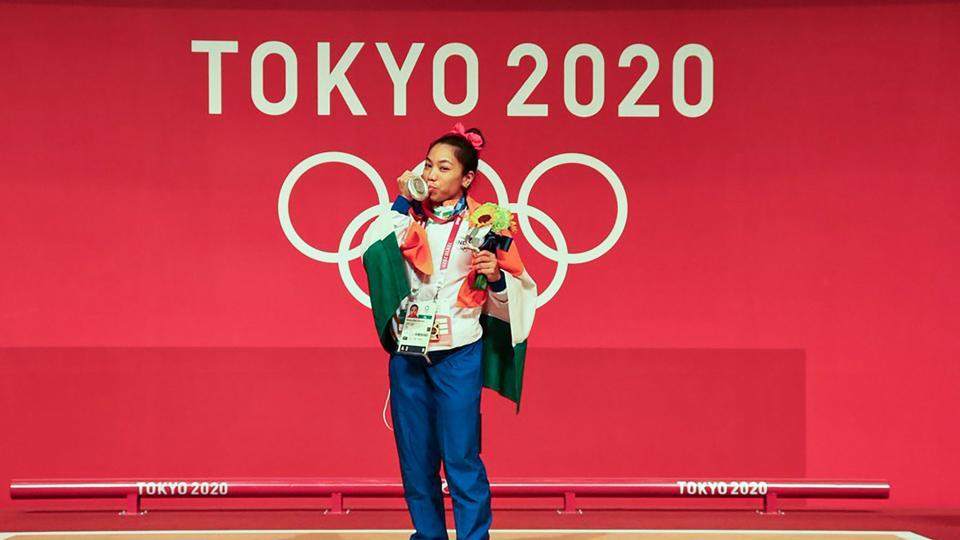
To be sure, the primary identity that matters in the case of Ms Chanu, Ms Kom and Ms Borgohain is that they are all champions. It would also be inaccurate, as is often done, to group all those from different states of the Northeast into one category when they come from distinct political, social, ethnic, linguistic and cultural traditions. But there is little doubt that identity has been a basis of discrimination and exclusion for those from the Northeast, reflected in dismal representation across all professional spheres. This has not just deprived people of opportunities and perpetuated structural injustice, but also left those spheres poorer.
Diversity and inclusion are sources of strength. Having individuals from distinct regions (and castes, tribes, religions) across the distinct worlds of, say, business, media, entertainment, allows a country to not just give a sense of belonging to all, but actually leverage talent. Aviation and hospitality are just two small examples of areas where many from the Northeast have made a mark. But ensuring opportunities in all other spheres for those who have been on the margins is not just the right thing to do, but also the smart thing to do. Sport has shown the way.


