
 E-Paper



How 2001 shaped 2021
9/11 was an opportunity to create a global consensus on terror. The world failed. The disgraceful manner in which the US handled its exit from Afghanistan and the return of the Taliban is an outcome of this flawed post-9/11 architecture

 Prefer HTon Google


Even as the 9/11 attacks were underway, 20 years ago, there was a sense that the world was about to change. And it did. It changed because there was a recognition that terrorism was a global, not just a regional or local, threat; that no power — even a power such as the United States (US) — was immune to these threats: that any State which harboured terror groups was culpable for exporting violence; and that Islamist extremism — distinct from Islam as a religion — was a threat not just to the international order but also the finest values modernity represented. It was a moment when these sound principles could have potentially led to a global consensus on terror, but within a paradigm that prioritised rights, justice and democracy while holding terror-sponsoring States and groups accountable.
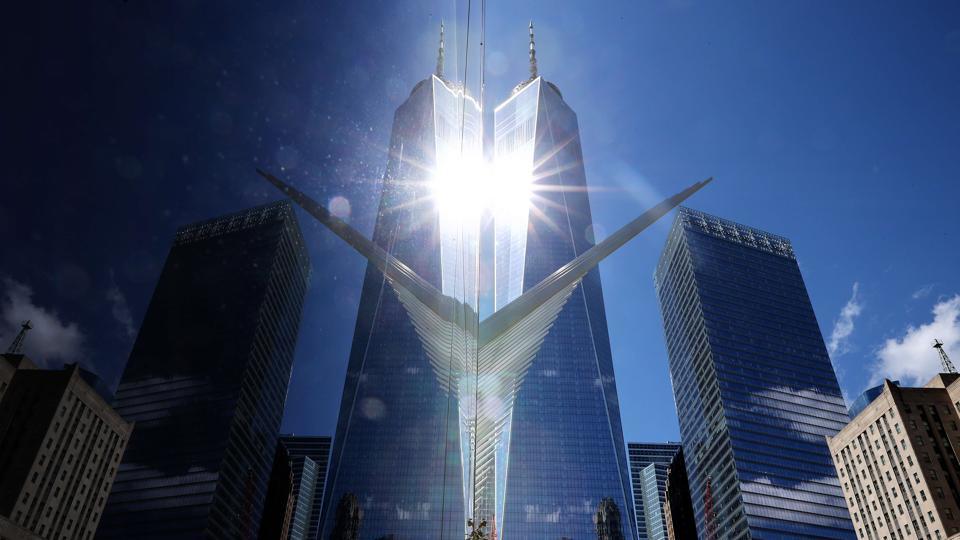
But sound principles often collide with messy realities, and the US adopted an ad hoc, selective, even imperial-like approach. Wars were fought, including in places such as Iraq, where the State had actually kept extremism at bay and the US invasion ended up breeding terrorism. Civil liberties were sacrificed, in the US and beyond, at the altar of the war on terror. Unprincipled alliances were carved out on grounds of pragmatism, especially with Pakistan, the country most complicit in exporting terror. Even as the threats became more global, politics became more insular and societies turned inwards. The disgraceful manner in which the US handled its exit from Afghanistan and the return of the Taliban is an outcome of this flawed post-9/11 architecture.
For India, 9/11 established what it had always known. Terror recognises no boundaries, and Pakistan is the real problem. But even as its narrative gained legitimacy, India was diplomatically helpless as the world, while recognising Islamabad’s dual game, fell for Pakistan’s story of how it was indispensable to the war on terror. India achieved impressive wins in its own counter-terrorism battles, but it took 26/11 to force a relook at the entire internal security grid. Domestically, political forces used the revulsion against terror, and its unfortunate — and wrong — equivalence with a particular religion to deepen insecurities. And now, India is back to facing not one, but potentially two terror-sponsoring States in its western neighbourhood, besides a formidable northern adversary, as China used the void filled by a distracted US to grow assertive. A lot changed, but a lot clearly didn’t. But to understand 2021, an honest appraisal of 2001 is imperative.


