
 E-Paper



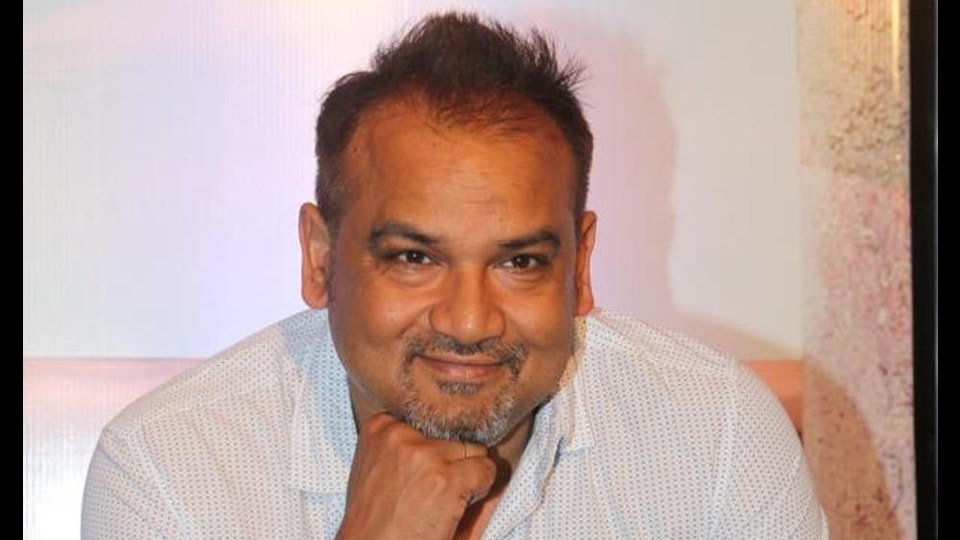
Nila Madhab Panda: Oscar or not, doesn’t matter, attention of people is important for Kalira Atita
Filmmaker Nila Madhab Panda, whose next Kalira Atita is eligible for the Best Picture category at Academy Awards, talks about why he sticks to subjects which talk about the climate.

 Prefer HTon Google


Kadwi Hawa (2017), I am Kalam (2010), and now Kalira Atita — Nila Madhab Panda’s filmography has always consisted of films which talk about the planet and environmental causes, instead of projects that guarantee commercial gains.
“Entertainment bhi chahiye logon ko, there’s a big appetite, I don’t deny that. But I’d also say people should get conscious about all issues. So, many films are made on rape, women empowerment, but surprised to see that recently the whole world, which has developed science so much, a virus shut it down for one year. That can be your reflection and realisation,” says the director-producer.
His latest, Odia film Kalira Atita which means yesterday’s past, is about the rising sea level in a district in Odisha, and eligible for Academy Awards in the Best Picture category.
“People think that climate change is happening, but not to them. Seven villages have been wiped out there. It’s a very special film for many other reasons, it talks about the impact of climate change, no one has attempted that. It talks of serious things. The media is talking about it, and this is how the Oscar campaign happens. Our Prime Minister says, ‘Local to global’, so a small film like this should create news. We have the attention of people, Oscar or not doesn’t matter. It’s an important film of our times,” says Panda.
Talking about his own life which inspired him to take up such issue based films, the filmmaker recalls that his childhood was spent in a village where there wasn’t petrol or diesel available.
“I’ve seen the ecosystem, we were dependent on the land. From there, to Delhi, to world over, I saw we’re damaging the world. The population was growing, resources were limited, and the fight for them has started. We all want development, but we’ve damaged enough. There is no planet B, it affected me badly as an artiste, and I felt that I need to tell such stories to the world,” he ends.


