
 E-Paper



AO Hume, Wayanad and a gold rush in 1878
Hume had never been to Kerala, but his curiosity is believed to have been piqued by accounts from British surveyors and prospectors in the region

 Prefer HTon Google


Wayanad saved the Congress party and Rahul Gandhi, the blushes in 2019, when its voters exercised their franchise overwhelmingly in favour of the Congress leader in the Lok Sabha election – he lost his family borough, Amethi – ensuring that he stayed in Parliament. He won from the constituency again in 2024 – and also from Rae Bareli in Uttar Pradesh, his mother’s former constituency – but decided he would retain Rae Bareli and vacated the seat. Now, his sister, Priyanka Gandhi Vadra is contesting the by election, her first tryst with electoral politics.
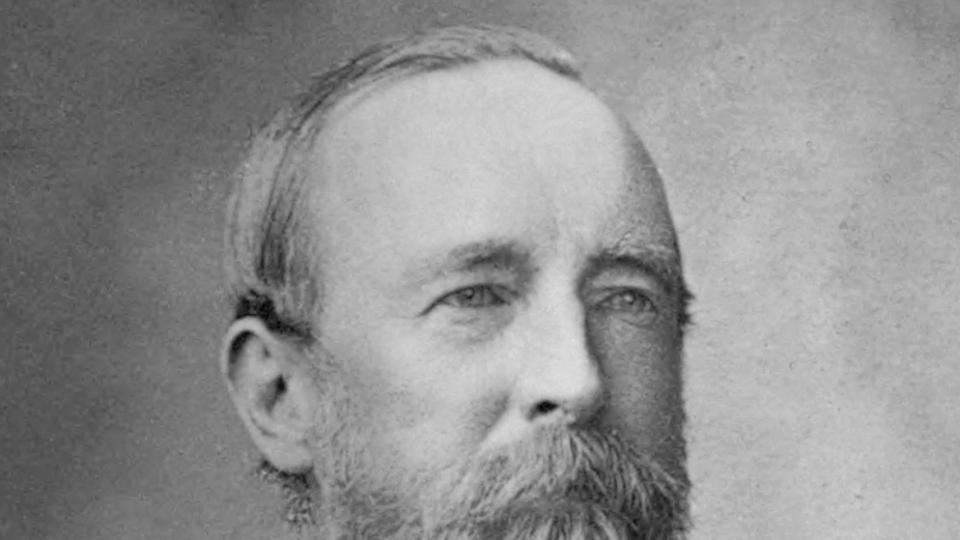
But Wayanad, a Western Ghat district, and the only plateau in Kerala, has another connection with the Congress, one that was discovered on October 28, 2024, by Dr MC Vasisht, the former head of the history department at Malabar Christian College in Kozhikode – back in 1878, around three decades after the California Gold Rush began, AO Hume, the man who founded the Congress (and who is also considered the father of Indian ornithology), who was then an officer in the Indian Civil Service, is believed to have played a part in sparking a similar rush, albeit, one that didn’t pan out, in this corner of Kerala, then part of the extended Madras province.
File no. 195 from the Selected Records of the Calicut Regional Archives (CRA) in Kozhikode reveals that Hume, then a secretary of the Government of India, based in Shimla and responsible for revenue, agriculture, and commerce, wrote a letter on June 20, 1878, to CG Master, the secretary to the Government of Madras directing him to appoint a qualified mining engineer to investigate the potential gold deposits in the area.
Hume had never been to Kerala, but his curiosity is believed to have been piqued by accounts from British surveyors and prospectors in the region, some of whom spoke of potentially large gold deposits in the region.
Hume wrote to Master that the Governor-General had deemed it necessary to thoroughly examine the gold-bearing rocks and deposits in Wayanad and Nilgiri and that he (Hume) was assigning mining engineer Brough Smyth to investigate. Hume set Smyth’s monthly salary at ₹1,000 and agreed to reimburse him for his travel expenses. He requested that the Madras government provide all reports related to the gold deposits to Smyth.
To be sure, not much came of the expedition. “The rumours about substantial gold deposits in the Nilgiri and Wayanad regions generated significant interest among the people during the Colonial Raj. In the latter half of the 19th century, 41 companies were registered in London to explore mining opportunities in the Nilgiri-Wayanad area, inspired by reports from geological experts like Smyth suggesting the presence of considerable gold reserves. However, British attempts to locate gold in Wayanad and its surrounding areas were unsuccessful, as they failed to find any major deposits. The discovery of gold in the Kolar mines of Karnataka in the 1890s ultimately led to a decline in interest in gold mining in Malabar,’’ confirms veteran historian Professor MR Raghava Warrier.
But experts who have studied Wayanad’s ecological history in the context of extreme weather events, such as massive landslides, believe that the Gold Rush marked the beginning of large-scale mining and significant devastation of forest cover in Wayanad, exacerbating human-induced climate change and its associated tragedies.
“The British who cleared extensive areas of forest for gold mining later transformed these cleared lands into coffee, tea, and cardamom plantations. The failure of the gold rush led to the rise of plantations, resulting in even more deforestation. Areas like Mundakai and Puthumala, which experienced significant landslides last July, were cleared for plantations after it became clear that they had no gold,’’ says Wayanad’s historian, OK Johnny.
The British weren’t the first to search for gold in the region. According to archival documents accessed by Vasisht, during the 18th and 19th centuries, Nair landlords in the Wayanad-Nilgiri hill region and their Mappila Muslim tenants engaged in gold extraction. However, the amount of gold extracted was very limited, and the methods used, primitive. The Mappilas leased land from the Nair landlords to carry out this gold collection, but it was done on a very small scale. To assist in the extraction process, they employed many tribal people, including the Kurumbars and Paniyas.
Documents indicate that the Kurumbars and Paniyas used a wooden washing dish known as the “Murray” to extract gold from sand collected from the banks of local rivers and creeks. They also sifted for gold particles in the surface soil of hillsides, in-stream sands and gravels, and alluvial flats of swamps. The Murray was constructed from hard, heavy wood, and the washing process continued until the gold was successfully extracted.
The British mined at scale. In the first half of the 20th century, British planter W. Francis vividly described the dismal state of post-gold rush Southeast Wayanad: “Hidden under the thick jungle are heaps of mining debris, long-forgotten tunnels, and hundreds of thousands of pieces of rusting machinery that were never assembled. The main road to Vythiri is overgrown with grass, and more machinery lies along the way, having never even reached its intended destination. The gold mining companies acquired coffee estates along the road from Gudalur to Cherambadi but subsequently neglected them; now, none are maintained. Wayanad is perhaps the most mournful scene of disappointed hopes.”
Wayanad has not mined for gold in the last 100 years. But experts, and historians such as Johnny believe the existential threat to Wayanad’s environment began with the British Raj’s gold rush.


