
 E-Paper



Bengaluru's Rameshwaram cafe blast puts spotlight on IEDs. What are they?
Karnataka CM Siddaramaiah suspects IED caused blast at Rameshwaram Cafe in Bengaluru.

 Prefer HTon Google


Karnataka chief minister Siddaramaiah said on Friday that the blast at the popular eatery Rameshwaram Cafe in Bengaluru, might have been caused by an "improvised explosive device" (IED). He said that those responsible will be identified, and strict action will be taken against them.
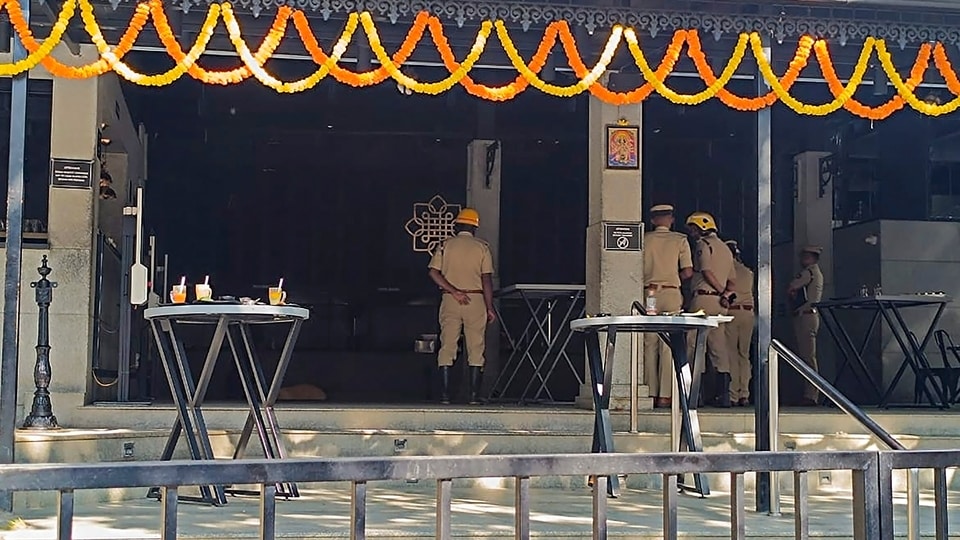
Speaking to reporters in Mysuru, CM Siddaramaiah said, "CCTV and other things are being examined. We have come to know that someone placed a bag in the afternoon. It is said to be an improvised explosive blast. Investigations are ongoing, and we need to wait for the results." When asked if it was a terrorist act, the CM clarified that it is not confirmed, and investigations are still in progress.
ALSO READ- Bengaluru's Rameshwaram Cafe rocked by IED blast: 5 points on eatery named after APJ Abdul Kalam
What is IED?
An improvised explosive device (IED) is a homemade bomb or destructive device, according to a government document. They can vary widely in form, ranging from small pipe bombs to sophisticated devices causing significant damage and loss of life. They can be carried in vehicles, by individuals, delivered in packages, or concealed on roadsides.
Take a look at the history of IEDs
The term "improvised explosive device" originated in the 1970s from the British army, particularly in response to the tactics employed by the Irish Republican Army (IRA), the document said.
The IRA utilised bombs crafted from agricultural fertiliser and SEMTEX (general-purpose plastic explosive), which was smuggled from Libya. These materials were employed to create highly effective booby trap devices and remote-controlled bombs. The term gained widespread usage, notably during the Iraq War in 2003.
ALSO READ- Rameshwaram cafe owner's 1st reaction, rivalry angle, politics, suspect profile: What we know so far
IEDs have these components
IEDs consist of components like an initiator, switch, main charge, power source, and container.
Often, these devices are packed with enhancements like nails, glass, or metal fragments, increasing shrapnel propelled by the explosion. Hazardous materials may also be included. The initiation of an IED depends on the intended target.
ALSO READ- Strict action if ‘Pakistan Zindabad’ slogans found true: Siddaramaiah
How are IEDs made?
IEDs are bombs that are cheap to make and easy to hide and set off. People can make them using everyday materials or chemicals that are easy to find.
Sometimes, they might use military stuff, but usually, they use regular ingredients. Things like fertilizer, gunpowder, and hydrogen peroxide can be used to make IEDs. One common example is ANFO, a mix of ammonium nitrate and fuel oil.


