
 E-Paper



Bilkis gang rape case: CBI, Mumbai court’s change in stance led to early release of convicts, SC told
CBI in its 2019 opinion called the offence “heinous, grave and serious” while turning down the remission requests

 Prefer HTon Google


A second opinion by the Central Bureau of Investigation (CBI) and the Mumbai trial court, suggesting a complete turnaround, led to the premature release of one of the convicts in the Bilkis Bano gangrape case, the Supreme Court was informed on Thursday.
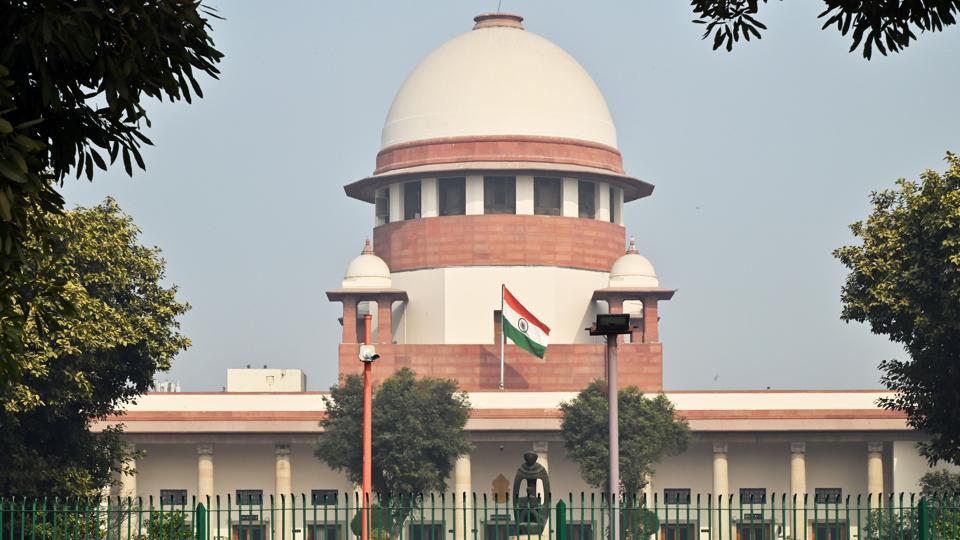
Documents were adduced before a bench of justices BV Nagarathna and Ujjal Bhuyan to show that there were two opinions each from CBI and the Mumbai trial court before the convict, Radheshyam Bhagwandas Shah, was released by the Gujarat government.
Shah was one of the 11 convicts who was sentenced to life in 2008 for the gang rape of Bilkis Bano and murder of seven of her family members, and who were released prematurely in August 2022.
While the first opinion of trial court judge, who convicted 11 men in the case, declined to sign off the remission request stressing that the crime was committed only because the victim belonged to a “particular religion”, the second opinion of the same court in June 2022 left it up to the Gujarat government to decide the remission plea as per the 1992 policy.
“Taking into consideration the nature of offence of rape and murder of the victim committed by the accused along with co-accused, his proposal for premature release may be considered in accordance with the circular dated July 9, 1992, of the Government of Gujarat (Home Department),” the opinion of DP Shingade, Special Judge (CBI), Greater Mumbai stated on June 18, 2022.
Similarly, CBI in its 2019 opinion called the offence “heinous, grave and serious” while turning down the remission requests. However, on July 9, 2022, the CBI letter addressed to the Joint Secretary, MHA said: “Action as deemed fit may be considered as per procedure.” This letter was followed by a decision of the MHA on July 11 giving consent to the Gujarat government for processing the remission and the release of Shah and 10 other convicts in the case in August 2022.
The second opinions were sought after the Supreme Court judgment in May 2022 when the top court directed the Gujarat government to consider the plea of the convicts in accordance with the 1992 policy – the one prevalent on the date of their conviction. While the latest remission policy of 2014 prohibits early release of rape convicts, no such restrictions were there in the 1992 policy.
The subsequent change in the stance of CBI and the trial judge have come out in public domain for the first time after the release of the 11 life-term convicts sparked an outrage from civil society organisations, women rights groups, and leaders cutting across party lines, leading to a bundle of petitions in the top court challenging the controversial decision. Bano also filed a petition later to impugn the remission.
Earlier, the records produced by the state government did not contain these documents. Instead, there was an opinion of CBI and Mumbai special judge of 2019 objecting to the remission. The petitioners relied on these documents to question the state government’s decision.
Additional solicitor general (ASG) SV Raju appearing for the Centre told the court that the CBI letter was being produced for the first time while Shah’s lawyer, Rishi Malhotra, said that he obtained the Mumbai court’s opinion under the right to information (RTI) Act. The Gujarat government, however, denied having knowledge of the second opinions.
As the arguments of convicts remained inconclusive, the Court posted the matter for further hearing on August 31.
Bano was 21, and five months’ pregnant when she was gangraped while fleeing the violence during the 2002 riots, and her three-year-old daughter was one of the seven people killed.
The release of the 11 men convicted of the crimes against her and her family in August last year sparked public outrage and several PILs came to be filed in the Supreme Court, including two by Trinamool Congress MP Mahua Moitra and former CPI MP Subhashini Ali, in August 2022. Later, in November 2022, Bano also approached the Supreme Court against the Gujarat government’s decision to allow the 11 men to walk out of jail.


