
 E-Paper



Analyse cases in 5 yrs to identify common areas of graft, says CVC
The measures are part of a 3-month campaign, from August 16 to November 15, to be undertaken by ministries as a precursor to vigilance awareness week to be observed from October 30 to November 5


New Delhi
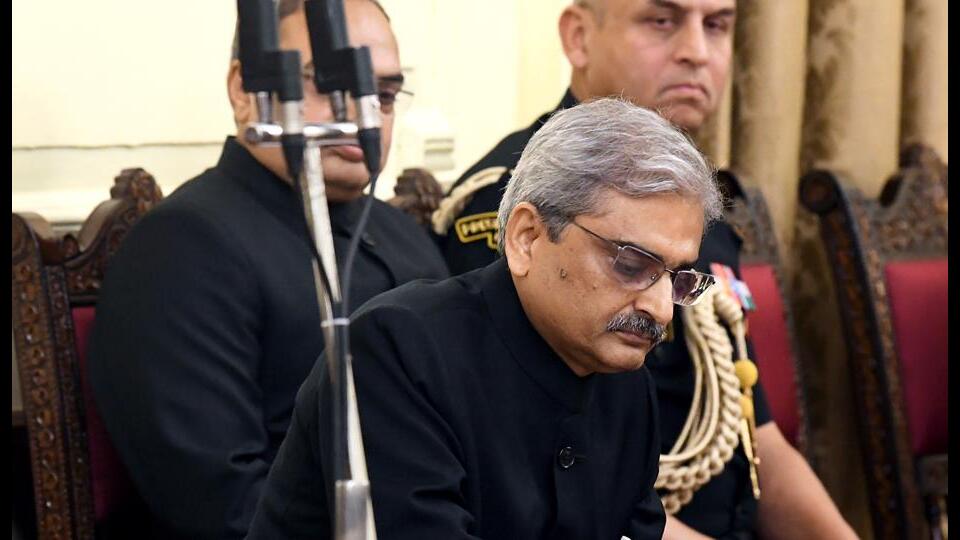
All authorities concerned in the states, Union territories, central ministries and state-run organisations should analyse vigilance cases in their respective offices in the past five years to identify common areas where corruption usually occurs and initiate “systemic improvements” to tackle it, the Central Vigilance Commission (CVC) has said in a communique, people familiar with the development said.
It also asked the government departments to “extensively” train officers in ethics, governance and cyber hygiene.
“Preventive vigilance initiatives are key in taking a proactive approach against the menace of corruption. Towards this goal, the following action plan may be taken up: - All ministries/departments may analyse the cases of the last five years to identify the common areas where corruption occurs and initiate systemic improvements to tackle the same,” the anti-corruption watchdog said in a communique on August 2.
Organisations may undertake a special drive for systemic improvements in vulnerable areas prone to corruption, it added.
The measures are part of a three-month campaign, from August 16 to November 15, to be undertaken by all ministries as a precursor to the vigilance awareness week to be observed from October 30 to November 5.
“All ministries, departments and organisations may ensure active participation by all concerned to bring about noteworthy results during the campaign,” the commission said in its letter sent to the cabinet secretariat, secretaries of all Union ministries, chief secretaries of states and Union territories, chief executives of public sector enterprises and banks and probe agencies such as the Central Bureau of Investigation (CBI) and Enforcement Directorate (ED). HT has reviewed the circular.
On capacity building of government offices, the commission has said extensive training of officers is required in five thematic areas – role of inquiry officers in conducting inquiries, public procurement, ethics and governance, systems and procedures of the organization and cyber hygiene and security.
During the three-month period, select officials may be trained as “master trainers” by experts in the field and these officials may subsequently be utilised as resource persons for imparting in-house training, it said.
Speaking at a programme marking the vigilance awareness week in November 2022, Prime Minister Narendra Modi had said the corrupt should not get any political or social support and not be shielded under any circumstances, no matter how powerful they might be.
“The three-month long campaign is to keep corruption complaints in government offices in check with the general elections around the corner,” said an officer who didn’t want to be named.
The vigilance commission’s guidelines on corruption state that complaints against government servants should be genuine and “not malicious, vexatious or frivolous” and be based on verifiable facts. They should be specific with adequate evidence and should not be biased or based on personal grievances.
The guidelines, issued in December 2021, further say that in ministries and government departments, proper complaints register should be maintained, and each complaint should be examined by the chief vigilance officer of the organisation concerned.