
 E-Paper



As flood-like situation arises due to heavy rain, do's and don'ts to stay safe
The heavy downpour has destroyed roads, drinking and irrigation water supply schemes and there has been a loss of over ₹6,000 crore in Himachal Pradesh.

 Prefer HTon Google


With the onset of the monsoon in India, several states including Himachal Pradesh, Punjab, Haryana, Uttarakhand, Delhi, Gujarat, Maharashtra and Telangana have been battered with the heavy rain, leading to a flood-like situation in several districts.
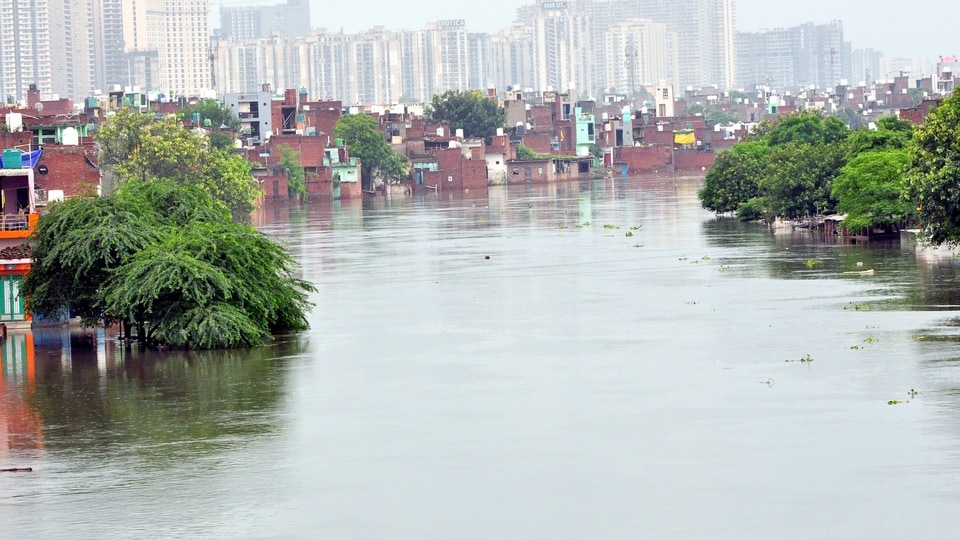
The national capital has grappled with unprecedented waterlogging and flooding this month. It received its heaviest deluge for a July day in 21 years on the 8th of the month when 126.1mm of rain was recorded between 8.30am and 5.30pm, triggering chaos on the streets.
At 208.66 m on July 13, the Yamuna surpassed its previous record of 207.49 m set in September 1978 in Delhi. It breached embankments and penetrated deeper into the city than it has in more than four decades.
Meanwhile, the Hindon river in Uttar Pradesh's Noida, a tributary of Yamuna, recorded water level at 196.55 metres at 9am on Friday after recording the Highest Flood Level (HFL) at 197.28 metres on Wednesday.
Around 17 villages with over 3,100 people have been displaced and moved to shelter homes while nearly 1,600 hectares of land was submerged in the floodplains in Noida and Greater Noida.
The downpour has destroyed roads, drinking and irrigation water supply schemes and there has been a loss of over ₹6,000 crore in Himachal Pradesh. 188 people have lost their lives, 194 people are injured and a total of 652 houses have been damaged with nearly 6500 houses damaged partially, state revenue minister Jagat Singh Negi told ANI.
Here are some tips shared by the National Disaster Management Authority (NDMA) and IMD to stay safe:
What to do before a flood?
1. Avoid construction in flood prone areas unless you elevate and reinforce your home.
2. Elevate the furnace, water heater, and electric panel if susceptible to flooding.
3. Install "Check Valves" in sewer traps to prevent floodwater from backing up into the drains of your home.
4. Contact community officials to find out if they are planning to construct barriers (levees, beams and floodwalls) to stop floodwater from entering the homes in your area.
5. Seal the walls in your basement with waterproofing compounds to avoid seepage.
If a flood is likely to hit your area, you should:
1. Listen to the radio or television for information.
2. Be aware that flash flooding can occur. If there is any possibility of a flash flood, move immediately to higher ground. Do not wait for instructions to move.
3. Be aware of streams, drainage channels, canyons, and other areas known to flood suddenly. Flash floods can occur in these areas with or without such typical warnings as rain clouds or heavy rain.
If you must prepare to evacuate, you should:
1. Secure your home. If you have time, bring in outdoor furniture. Move essential items to an upper floor.
2. Turn off utilities at the main switches or valves if instructed to do so. Disconnect electrical appliances. Do not touch electrical equipment if you are wet or standing in water.
If you have to leave your home, remember these evacuation tips:
1. Do not walk through moving water. Six inches of moving water can make you fall. If you have to walk in water, walk where the water is not moving. Use a stick to check the firmness of the ground in front of you.
2. Do not drive into flooded areas. If floodwaters rise around your car, abandon the car and move to higher ground if you can do so safely. You and the vehicle can be quickly swept away.


