E-Paper



Gujarat, western Rajasthan face drought-like conditions: IMD data
The standard precipitation index (SPI) for many parts of Gujarat and West Rajasthan is in “severely dry” to “moderately dry” categories.

 Prefer HTon Google


Drought-like conditions are setting in over most parts of Gujarat, west Rajasthan and some districts of Odisha that have recorded significant rain deficiency during monsoon.
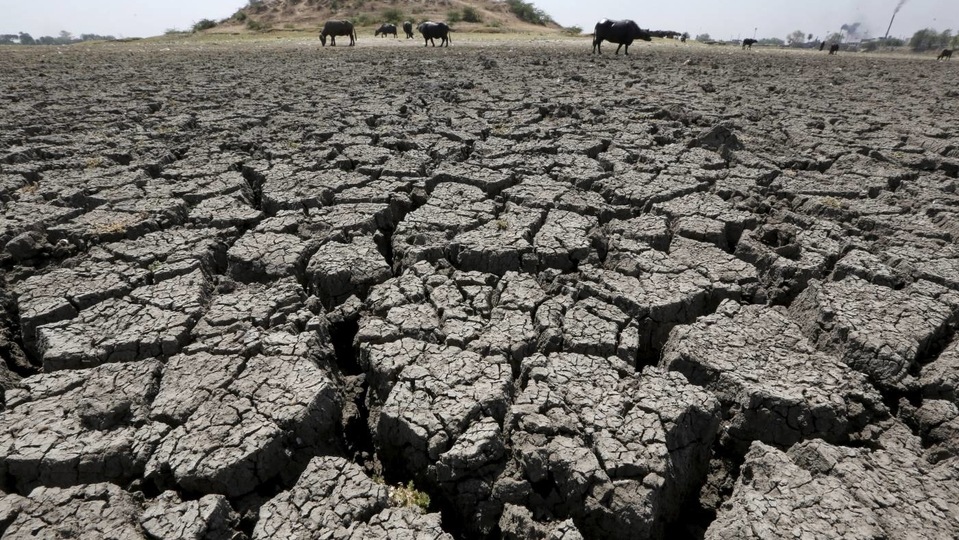
The standard precipitation index (SPI) for many parts of Gujarat and West Rajasthan is in “severely dry” to “moderately dry” categories. Districts worst affected in these two states are Sabarkanta, Dahod, Panchmahal, Vadodara, Banaskanta, Udaipur, Rajasmand, Jalor etc. Several districts in Odisha, including Kendujhar, Baleshwar, Bhadrak, Angul and Sambalpur, are in “extremely dry” to “severely dry” categories, according to SPI data for August maintained by the India Meteorological Department. SPI is an index used to monitor droughts.
Several parts of the northeast particularly in Manipur and Arunachal Pradesh are also in “extremely dry” category while Palakkad, Mallapuram, Kollam, Kasargod and Kannur in Kerala, and parts of neighbouring Karnataka are also in “extremely dry” to “severely dry” categories.
According to IMD, Odisha has recorded a 31% rain deficiency, Gujarat 47%, Kerala 28%, Manipur 58%, Arunachal Pradesh 25%, Mizoram 28% and Nagaland 24%. “We have been informed by farmers in several parts of Gujarat and Rajasthan that drought-like conditions have already set in. In Gujarat, crops have failed in many parts so farmers have left cattle in the farms so that the dry crop can be consumed as fodder. There are no irrigation facilities in these regions so there is little chance of the crop reviving. IMD doesn’t declare drought anymore. But due to scanty rains, crops in west Rajasthan and Gujarat are severely affected. There was significantly low rainfall in Kerala and the northeast also this year,” said Mahesh Palawat, vice-president, climate change and meteorology, Skymet Weather, a private weather forecaster.
A drought could be bad for the rural economy, especially against the background of the ongoing Covid-19 pandemic.
“This time, fewer low-pressure areas formed — two against the normal of four — and they were not that active. This led to breaks during monsoon and less rain overall,” DS Pai, head of climate and research services at IMD Pune, said on Monday.