E-Paper



FCRA licences granted to two environmental NGOs since January: Centre
The two environmental NGOs are among 30 organisations that have received fresh permits under the Foreign Contribution (Regulation) Act, 2010.

 Prefer HTon Google


The central government has, since January suspended and cancelled the foreign funding licence of two non-profits working on various aspects of environmental litigation and policymaking, but has allowed two others to receive overseas grants, officials aware of the matter said on Monday.
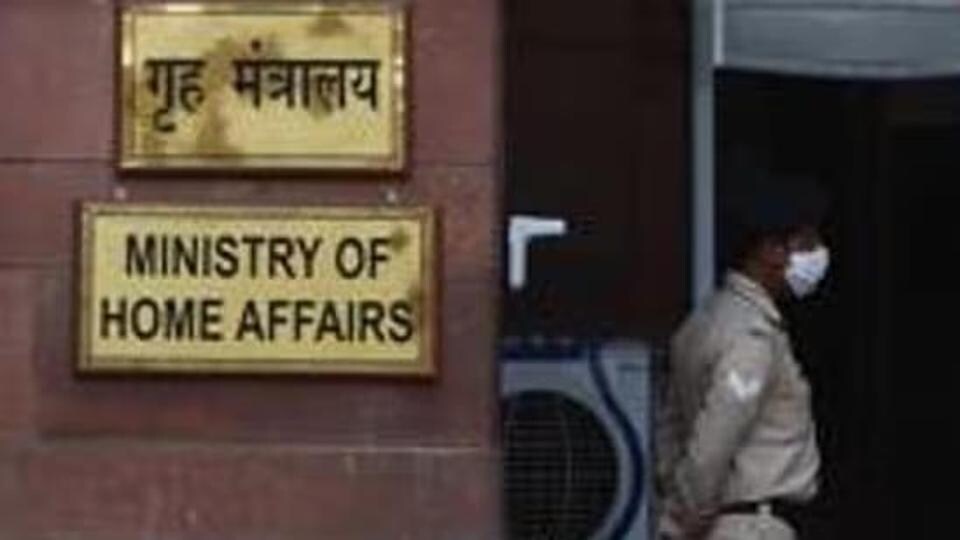
The two environmental NGOs are among 30 organisations that have received fresh permits under the Foreign Contribution (Regulation) Act, 2010, they said, seeking anonymity.
One of them, New Delhi-based International Forum for Environment, Sustainability and Technology (iForest), is an environmental research and innovation organisation that also works on just transition away from fossil fuels. The other, Gujarat-based Jalkranti Trust, works in the area of water, land, forest and ecosystem conservation, including cow-based farming.
iFOREST is an environmental research and innovation organisation that seeks to develop and scale-up solutions for environment issues such as waste and pollution, climate change and sustainable development. Their focus is to support green technologies, growth and jobs in India, according to a statement provided by iFOREST.
The home ministry has in recent months sharpened scrutiny of overseas funding received by local non-profits. In the past three years, NGOs have received foreign grants worth ₹55,449 crore, official data show. There were 16,383 NGOs that have FCRA licences as on March 10. The ministry has cancelled licences of over 6,600 NGOs in the past five years.
Also Read: Centre orders CBI probe against Oxfam India over FCRA violations
“The FCRA law is same for everyone, be it social, educational or environmental NGO,” a home ministry official said on condition of anonymity. “The rules, including spending on work for which licence has been sought, designated FCRA bank account, administrative expenses and any diversion, all have to be followed.”
The government modified the law in September 2020, making Aadhaar verification mandatory for every office bearer of the NGOs and barring public servants from receiving foreign funding. The amended law also says organisations receiving foreign funds will not be able to use more than 20% of it for administrative purposes. This earlier limit was 50%.
Any organisation that may not be directly linked to a political party but engages in political action such as a strike or road blockades will be considered to be of political nature, the new law says, including under its ambit farmers’ organisations, students or workers’ outfits and caste-based non-profits.
The granting of new permits comes at a time when the home ministry has cancelled the FCRA licence of Legal Initiative for Forest and Environment (LIFE) founded by Ritwick Dutta, a lawyer, according to people familiar with the matter. LIFE has not received a notice of cancellation but was informed about suspension for a period of six months on March 13.
It also ordered a Central Bureau of Investigation (CBI) probe against it. The allegation is that LIFE and Dutta were involved in criticizing government policy and agitating farmers against “industrialist and industrial policy of the government,” and planned to target coal projects of an Indian company abroad. Its permit was cancelled on March 13.
The FIR states that Dutta had mentioned the example of activities of Adani (company) in Australia in an email to a representative of Earth Justice, which allegedly contributed to Dutta’s environmental law firm Legal Initiative for Forest and Environment on several occasions. “They mentioned the example of activities of Adani in Australia. It appears from this that they were planning to target Indian entities undertaking projects outside India. Such litigations lead to delay in projects impacting public interest by denying energy security to citizens of the nation. Further, it is also impacting economic interests of nation outside geographical boundaries of India,” the FIR states.
The other organisations that received new permits include Indo Sri Lankan International Buddhist Association and Northeast Centre for Equity Action on Integrated Development (NEAID). HT reached out to Jalkranti, Indo Sri Lankan International Buddhist Association and NEAID for comments but did not receive responses immediately.